Marinated Cabbage Salad Tips for Crisp Texture and Safe Storage
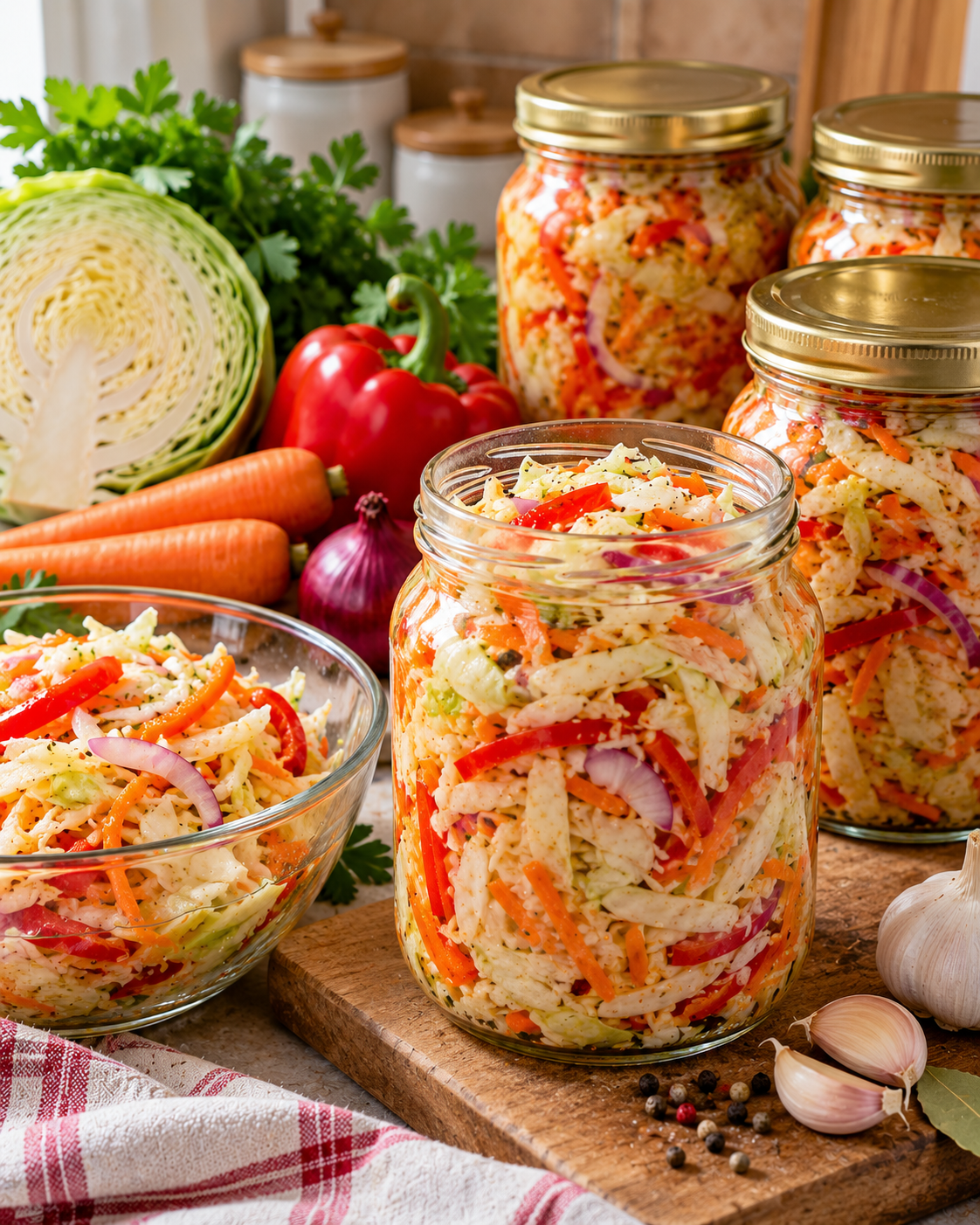
Marinated cabbage salad can be a refreshing, crunchy addition to everyday meals. With its crisp cabbage, colorful vegetables, and tangy dressing, it offers a simple way to enjoy seasonal produce.
However, preparing cabbage salad for winter involves more than combining vegetables with vinegar and salt. The way you select, cut, season, and store the ingredients affects both their texture and their safety.
A freshly marinated cabbage salad, fermented sauerkraut, and shelf-stable canned vegetables are three different products. They require different handling methods, and they should not be treated as interchangeable.
This guide explains how to keep marinated cabbage salad crisp, prevent excess moisture, choose suitable containers, and understand safe storage options without relying on unverified preservation claims.
Why Proper Cabbage Preparation Matters
Cabbage is naturally crisp because of the structure of its leaves and its high water content.
When cabbage is shredded and mixed with salt or an acidic dressing, its texture begins to change.
Salt can draw water from the leaves, while vinegar contributes a sharp, tangy flavor.
These changes can make the salad enjoyable, but they don’t automatically make it safe for long-term storage.
The most useful goal is to maintain a pleasant texture while following an appropriate, reliable storage method.
1. Choose Fresh, Firm Cabbage
Good texture begins before the vegetables reach the cutting board.
Look for cabbage heads that feel heavy and firm for their size.
The outer leaves should appear fresh rather than slimy, moldy, or extensively damaged.
Green Cabbage
Green cabbage is a practical choice for marinated salads.
It has a mild flavor and holds its texture reasonably well when shredded.
Red Cabbage
Red cabbage provides deeper color and a slightly different flavor.
Its pigments can change color when exposed to acidic ingredients.
This is a natural reaction, although it may affect the appearance of mixed vegetable salads.
What to Avoid
Avoid using cabbage with visible mold, extensive decay, slimy leaves, or an unpleasant odor.
Removing one damaged leaf does not necessarily make an extensively spoiled cabbage suitable for use.
Practical tip: Select a cabbage that is firm enough to shred into clean, crisp pieces rather than one whose leaves have already softened significantly.
2. Prepare Vegetables with Clean Equipment
Fresh cabbage salads often contain ingredients that will not be cooked.
For this reason, clean preparation equipment is especially important.
Wash your hands with soap and running water before handling vegetables.
Clean the cutting board, knife, mixing bowl, and storage containers.
Remove damaged outer cabbage leaves and rinse the cabbage appropriately under clean running water.
Carrots and bell peppers should also be cleaned before cutting.
Do not wash vegetables with dish soap, bleach, or household detergents.
After rinsing, allow excess water to drain.
Why Drying Matters
Water remaining on the vegetables can dilute the dressing.
It may also make the salad appear watery before the vegetables have had time to release their own natural moisture.
A clean salad spinner or kitchen towel can help remove excess surface water.
3. Shred Cabbage Evenly for Better Texture
The thickness of the cabbage pieces affects the final salad.
Very thin shreds soften more quickly and absorb dressing differently from thicker pieces.
Coarse strips may remain firmer but can be less convenient to eat.
Neither approach is automatically better.
Choose a consistent cutting style based on the texture you want.
For a Delicate Salad
Use relatively thin, uniform cabbage shreds.
This works well when you want the cabbage to soften slightly after dressing.
For a Crunchier Salad
Use somewhat thicker, evenly cut strips.
These can retain more bite during a short marinating period.
Avoid Uneven Cutting
Mixing extremely thick cabbage pieces with very fine shreds can create an inconsistent result.
Smaller pieces may become soft while the larger ones remain firm.
Practical tip: A sharp knife or suitable cabbage slicer can make consistent cutting easier. Always protect your fingers when using a mandoline.
4. Control Excess Moisture
Cabbage, carrots, peppers, and onions all contain water.
When salt is added, some of that water may move out of the vegetables.
This process is known as osmosis.
It explains why a fresh salad can become noticeably wetter after resting.
Why Some Cabbage Salads Become Watery
Common reasons include:
- Excess surface water after washing.
- Very fine shredding.
- Large amounts of salt.
- Long resting periods.
- Water-rich additional vegetables.
- Dressing added far in advance of serving.
A little released liquid is normal.
However, excessive moisture may dilute flavor and soften the vegetables.
How to Maintain a Better Texture
For salads intended to be eaten fresh, avoid washing and dressing the vegetables unnecessarily far in advance.
Dry the ingredients carefully.
Use a suitable cutting thickness and avoid aggressive mixing that crushes delicate vegetables.
Important: These are texture tips for fresh or refrigerated salads. Do not change salt, vinegar, or liquid quantities in a tested fermentation or canning recipe to make the product less watery.
5. Balance Tangy and Sweet Flavors Carefully
Many marinated cabbage salads combine acidic, sweet, salty, and savory flavors.
Vinegar contributes acidity.
Sugar can soften the perception of sharpness.
Salt influences the taste of the vegetables.
Oil can add richness and help distribute certain seasonings.
The challenge is achieving balance without overwhelming the natural flavor of the produce.
Avoid Excessive Sweetness
A heavily sweetened dressing can dominate cabbage, carrots, and peppers.
For a fresh refrigerated salad, taste the finished dressing before adding it to the vegetables.
Make small flavor adjustments rather than adding large amounts of sweetener at once.
Choose Vinegar for Its Flavor and Intended Use
Different vinegars have different flavors and acidity levels.
White vinegar is relatively neutral, while apple cider vinegar has a more distinctive taste.
For fresh refrigerated salads, flavor is one consideration.
For home canning, however, the vinegar type, concentration, and quantity must follow a scientifically tested recipe.
An Important Safety Distinction
A pleasant sour taste does not prove that a homemade vegetable mixture is safe for pantry storage.
Adding vinegar to a salad is not the same as following a validated food-preservation procedure.
6. Understand the Three Different Types of Cabbage Preservation
This is one of the most important distinctions for anyone planning to prepare cabbage for winter.
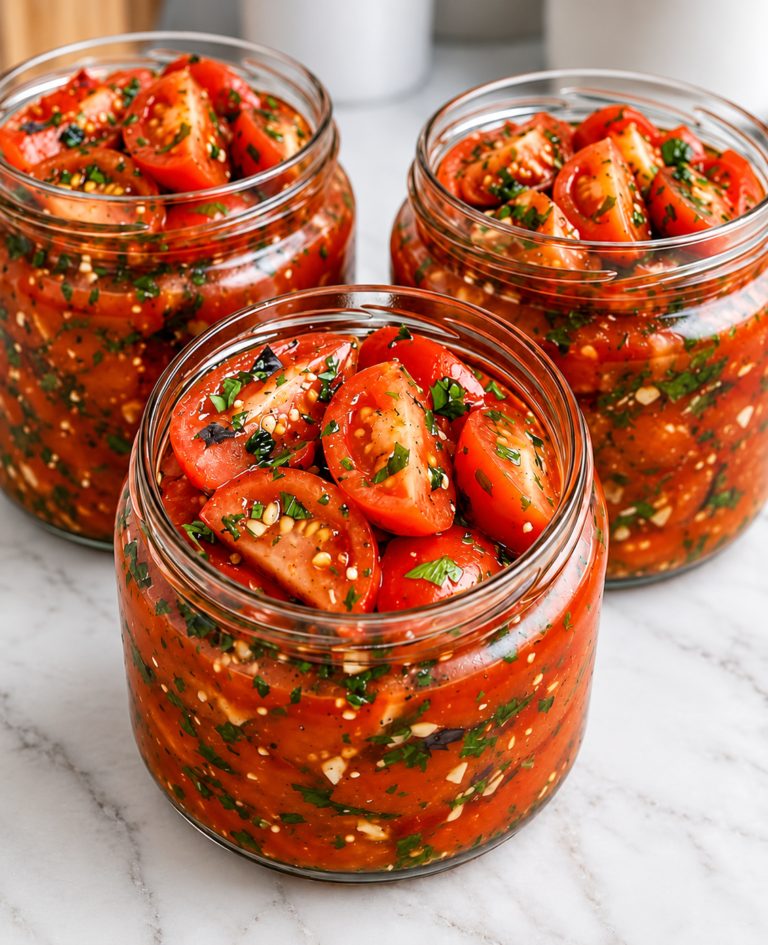
Fresh Refrigerator-Marinated Cabbage
This is a prepared cabbage salad kept cold.
It may contain vinegar, oil, salt, sugar, and other vegetables.
Because it has not undergone a validated shelf-stable preservation process, it must remain refrigerated.
A sealed jar does not change that requirement.
Fermented Cabbage
Fermented cabbage, commonly known as sauerkraut, is produced through controlled fermentation.
Beneficial lactic acid bacteria convert available sugars into acids.
Successful fermentation depends on suitable ingredient proportions, salt concentration, temperatures, containers, and handling.
It is not simply cabbage placed in vinegar.
Shelf-Stable Canned Cabbage Products
Shelf-stable home-canned products require a scientifically tested recipe and an appropriate heat-processing method.
The permitted processing procedure depends on the food’s acidity and formulation.
A homemade salad containing arbitrary quantities of cabbage, carrots, onions, peppers, oil, and vinegar cannot automatically be considered suitable for water-bath canning.
Quick Comparison
| Type | How It Is Preserved | Storage |
|---|---|---|
| Fresh marinated cabbage salad | Prepared with dressing, without validated preservation | Refrigerated |
| Properly fermented sauerkraut | Controlled lactic acid fermentation | Refrigerated after fermentation, or preserved using a tested procedure |
| Tested home-canned product | Validated formulation and heat processing | Shelf-stable only when processed and sealed correctly |
These differences matter because using the wrong preservation method can create a food-safety risk.
7. Never Assume a Vinegar-Based Salad Will Last All Winter
Some homemade preserved vegetable recipes claim that a mixture can be stored in a cool room for several months.
That claim should not be accepted without reliable supporting instructions.
The safety of a preserved vegetable product depends on factors such as:
- The vegetables included.
- The proportions of ingredients.
- The acidity of the finished product.
- The amount of salt.
- The processing method.
- The container and seal.
- The conditions during preparation and storage.
Simply adding vinegar, sugar, salt, and oil does not establish a safe long-term shelf life.
Is a Cool Basement Enough?
No.
A basement, cupboard, garage, or other cool room is not a substitute for refrigeration when a product requires refrigeration.
The refrigerator should be maintained at 40°F (4°C) or below.
Can You Store a Sealed Jar Outside the Refrigerator?
Only when the food has been processed using an appropriate tested shelf-stable preservation method.
Putting freshly marinated cabbage into a clean jar and closing the lid is not sufficient.
Practical tip: When a preservation recipe claims unusually long storage without explaining a validated process, consult a reliable home-food-preservation authority before using it.
8. Use the Correct Method if You Want Fermented Cabbage
Fermentation is a specialized food-preservation process.
Salt does more than improve flavor: in tested sauerkraut methods, the correct salt concentration helps support the intended fermentation and inhibit undesirable microorganisms.
Reducing the salt without following an appropriate tested alternative may compromise the process.
Why Temperature Matters
Fermentation temperature influences the activity of microorganisms and the final texture.
Excessively warm conditions can encourage softening and spoilage.
Conditions that are too cool may prevent proper fermentation.
Keep Vegetables Under the Brine
In tested sauerkraut fermentation, cabbage must remain appropriately submerged.
Exposure to air can contribute to unwanted surface growth.
Use food-grade containers and suitable fermentation weights.
Follow an Established Procedure
For anyone interested in making fermented sauerkraut, use the National Center for Home Food Preservation’s tested sauerkraut guidance.
Do not convert a fresh cabbage salad recipe into a fermentation recipe simply by leaving it at room temperature.
9. Choose Appropriate Storage Containers
Clean, food-safe containers help protect fresh salads from unnecessary contamination.
Glass containers with suitable lids are convenient because they are easy to inspect and clean.
Food-grade plastic containers are another option for refrigerator storage.
Inspect Containers Before Use
Avoid containers with cracks, chips, damaged lids, or surfaces that are difficult to clean.
Wash containers thoroughly before filling them.
Use clean utensils when transferring prepared vegetables.
Avoid Reactive Materials
Acidic mixtures may react with certain metals.
Choose materials appropriate for contact with acidic foods, such as suitable glass or food-grade containers.
Label Prepared Salads
For refrigerated homemade salads, label the container with the preparation date.
This makes it easier to track freshness and avoid forgotten leftovers.
Important: Container cleanliness helps reduce contamination, but it does not replace safe temperature control or validated preservation.
10. Keep Fresh Marinated Cabbage Refrigerated
Fresh cabbage salad containing cut vegetables and a homemade dressing should be refrigerated promptly.
Use a refrigerator thermometer to confirm the appliance is maintained at or below 40°F (4°C).
Keep the salad covered and use clean serving utensils.
Avoid leaving it on a buffet table or kitchen counter for extended periods.
How Long Can You Store It?
There is no single reliable multiweek or multimonth storage period that applies to every homemade marinated cabbage salad.
The safe storage time depends on its formulation, handling, and whether a validated preservation process was used.
For an ordinary untested refrigerator salad, prepare small batches and enjoy them promptly rather than planning to store them for months.
If you need a precisely established storage life, follow a published, tested preparation with its stated refrigeration instructions.
Watch for Signs of Spoilage
Discard salad that develops mold, unexpected gas buildup, a slimy texture, or other concerning changes.
However, remember that dangerous microorganisms do not always produce a noticeable smell or visible warning sign.
Never taste questionable preserved food to decide whether it is safe.
11. Protect the Crunch When Serving
Even a well-prepared cabbage salad can lose some texture if handled poorly.
Use Clean Serving Utensils
Avoid repeatedly dipping utensils that have touched other foods into the salad container.
Transfer the quantity you plan to serve into a separate bowl.
Keep the Main Container Cold
Return the remaining salad to the refrigerator promptly.
Repeated warming and cooling can affect both quality and food safety.
Avoid Excessive Mixing
Gently toss the vegetables when necessary.
Aggressive stirring may break delicate pieces and soften the texture.
Combine Delicate Additions Near Serving Time
If adding fresh herbs or other delicate ingredients to a refrigerated salad, introduce them close to serving time.
This helps preserve their color and aroma.
Why These Tips Work
Several basic food-science principles explain the changes that occur in marinated cabbage.
Salt Draws Moisture from Vegetables
Salt affects the movement of water between plant cells and their surroundings.
This can soften cabbage and increase the amount of liquid in a salad.
Acidity Changes Flavor and Texture
Vinegar introduces acids that affect taste and may influence plant texture.
However, acidification for food preservation requires a controlled process rather than an assumed quantity.
Cutting Changes How Vegetables Respond
Thin slices expose more surface area than large pieces.
This affects how quickly a dressing interacts with the vegetable.
Cold Temperatures Slow Microbial Growth
Refrigeration helps slow the growth of many microorganisms.
It does not make contaminated food safe again or guarantee indefinite storage.
Fermentation Requires Controlled Conditions
Proper fermentation relies on specific microorganisms developing under appropriate conditions.
Salt, temperature, and brine management influence whether the intended fermentation proceeds successfully.
Common Mistakes to Avoid
Believing Any Vinegar Salad Is Shelf-Stable
A sour taste is not proof of safety.
Use refrigeration for fresh marinated salads and tested procedures for shelf-stable preservation.
Using Very Soft Cabbage
Old or deteriorating cabbage may have poor texture and unsuitable quality.
Start with firm, fresh vegetables.
Adding Too Much Dressing
Excess liquid can overwhelm the vegetables and create an unnecessarily wet salad.
For fresh servings, use enough dressing for flavor without drowning the cabbage.
Changing Salt in Fermentation Recipes
Salt is an important safety component in tested sauerkraut fermentation.
Don’t reduce or change it without following a validated alternative method.
Using Unclean Containers
Dirty equipment can introduce unwanted microorganisms.
Wash and prepare food-contact surfaces appropriately.
Leaving Prepared Salad at Room Temperature
Fresh refrigerated salads should not be treated as shelf-stable products.
Return them to the refrigerator promptly.
Relying Only on Smell
Food can sometimes be unsafe without smelling spoiled.
Storage practices and reliable preservation procedures are more dependable than sensory checks.
Practical Examples for Everyday Cooking
Example 1: A Fresh Cabbage Side Salad
If you’re serving shredded cabbage with carrots and peppers for dinner, focus on even cutting, clean produce, and keeping the vegetables crisp.
Prepare only the amount needed and refrigerate until serving.
Example 2: A Refrigerated Marinated Salad
If you enjoy a tangier cabbage salad, use a reliable refrigerated preparation method.
Keep the salad cold and don’t assume that adding more vinegar makes it suitable for storage outside the refrigerator.
Example 3: Preparing Cabbage for Winter
If your goal is to preserve cabbage for several months, select a tested fermentation or canning method rather than adapting an ordinary salad dressing.
For people who prefer fresh cabbage texture, buying or storing whole cabbage appropriately and preparing small refrigerated batches may be a more practical approach.
Frequently Asked Questions
How Do You Keep Marinated Cabbage Salad Crunchy?
Start with fresh, firm cabbage, shred it evenly, remove excess water after washing, and avoid unnecessarily long marinating periods when preparing a fresh salad.
Why Does Cabbage Salad Become Watery?
Salt and dressing can draw water from cabbage and other vegetables.
Excess washing water and very fine shredding can also contribute.
Can You Store Marinated Cabbage Salad All Winter?
Not safely based on an ordinary salad recipe alone.
Long-term storage requires an appropriate, validated preservation method.
Does Vinegar Make Cabbage Salad Shelf-Stable?
No. Adding vinegar doesn’t automatically create a shelf-stable product.
The acidity and processing method must meet the requirements of a tested preservation recipe.
Is Marinated Cabbage the Same as Sauerkraut?
No.
Marinated cabbage may use a vinegar-based dressing, while sauerkraut is produced through controlled fermentation.
Can You Ferment Cabbage Without Following a Recipe?
For safe, predictable results, use a research-tested fermentation procedure.
Don’t estimate salt quantities or ferment an unrelated vegetable salad at room temperature.
Can You Add Carrots, Peppers, and Onions to a Cabbage Salad?
Yes, for salads intended to be eaten fresh or refrigerated.
However, changing vegetable proportions in a tested fermentation or canning recipe may affect safety.
Can You Reuse Old Pickling Liquid?
Do not reuse liquid that previously held vegetables for a new batch of preserved vegetables.
The acidity may have changed during storage.
How Do You Know If Preserved Cabbage Has Spoiled?
Mold, sliminess, unusual gas production, or unexpected odors are warning signs.
However, the absence of these signs does not guarantee safety. Discard questionable products without tasting.
What Is the Safest Approach for Beginners?
Begin with fresh refrigerated cabbage salads for short-term use.
For fermentation or long-term preservation, follow a tested procedure from a reputable food-preservation organization.
More Helpful Kitchen Tips
Safe food storage is important for many homemade preparations, not only cabbage salad.
Read our 4 Simple Steps to Food Safety to learn more about cleaning, preventing cross-contamination, cooking, and chilling.
If you’re interested in preparing vegetables for colder months, our Homemade Pasta Sauce Tips explain the differences between freezing and safe home canning.
Final Thoughts
Making better marinated cabbage salad begins with fresh vegetables, careful cutting, balanced flavor, and clean preparation equipment.
Small details such as controlling excess moisture, choosing suitable containers, and refrigerating prepared salads promptly can improve texture and reduce unnecessary food-safety risks.
The most important lesson is that fresh marinating, fermentation, and home canning are different processes.
If you want to preserve cabbage for winter, follow a scientifically tested method rather than relying on vinegar, salt, or a tightly closed jar alone.
With the right approach, you can enjoy crisp, flavorful cabbage salads while making safer and better-informed storage decisions.