How to Make Better Korean-Style Marinated Tomatoes: Tips for Fresh Flavor, Perfect Texture, and Safe Storage
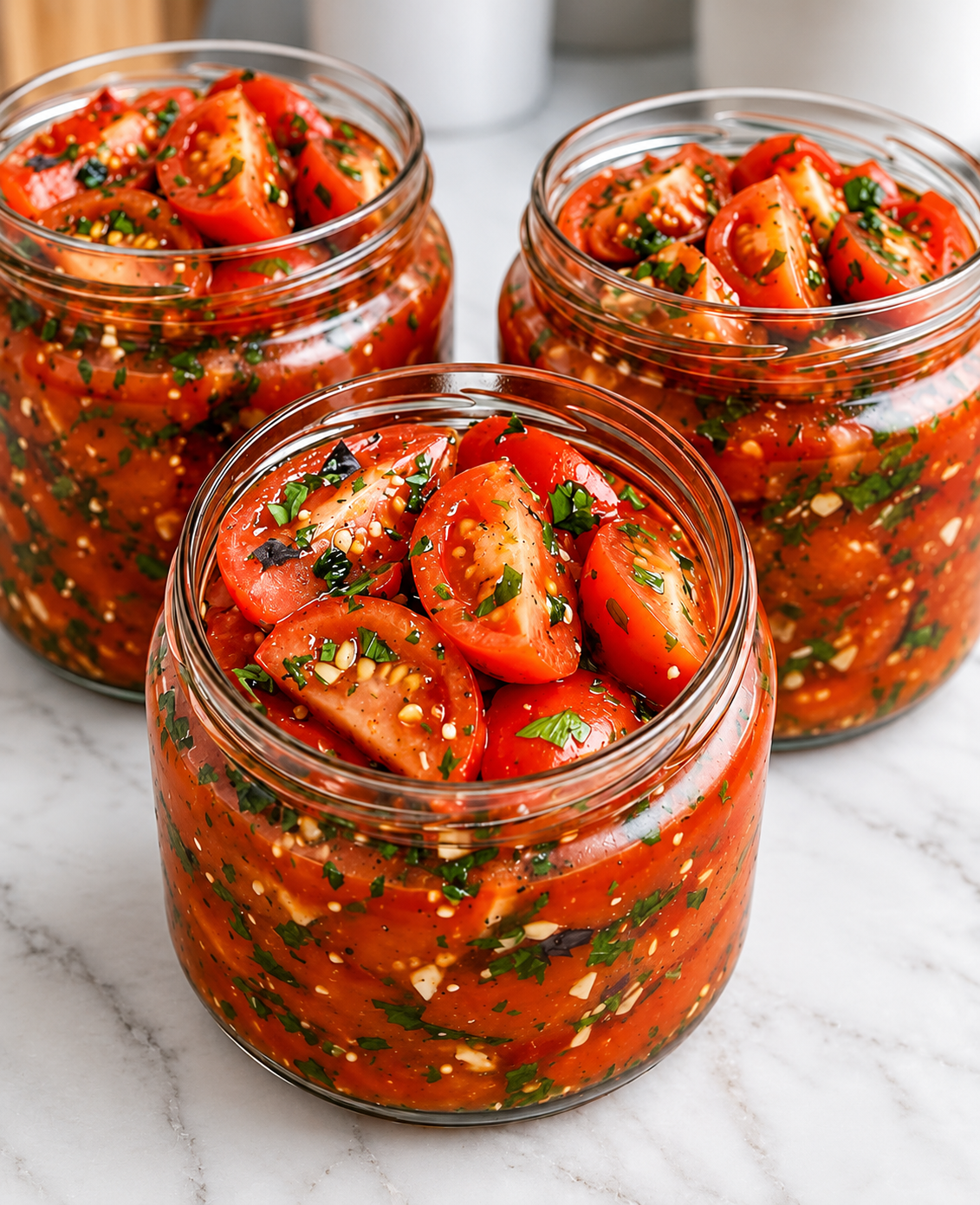
Korean-style marinated tomatoes are a delicious way to enjoy fresh tomatoes with bold, tangy, and slightly spicy flavors. The combination of vinegar, garlic, peppers, herbs, and a touch of sweetness creates a refreshing dish that works beautifully alongside grilled foods, rice dishes, and everyday meals.
Although marinated tomatoes are simple to prepare, a few small details can make a noticeable difference. Choosing the right tomatoes, controlling excess moisture, balancing the dressing, and storing everything correctly can help preserve their natural flavor and appealing texture.
These practical kitchen tips will help you get better results while avoiding common preparation and food storage mistakes.
1. Choose Firm Tomatoes for Better Texture
The quality of your tomatoes has a major influence on the finished dish.
Very ripe, soft tomatoes tend to release large amounts of juice and can become mushy when mixed with salt and acidic dressings. Firmer varieties generally hold their shape better, making them more suitable for marinating.
For the best results:
-
Choose tomatoes that feel firm but are fully ripe.
-
Look for smooth skin without bruises or soft spots.
-
Consider Roma or San Marzano tomatoes, which generally have dense flesh and relatively few seeds.
-
Avoid overripe tomatoes that are already beginning to soften.
-
Use tomatoes of similar ripeness for a more consistent texture.
Kitchen tip: If your tomatoes are extremely juicy, remove some of the watery seed pulp before marinating. This helps prevent the dressing from becoming overly diluted.
2. Cut Tomatoes Evenly to Improve Flavor Distribution
The size and shape of tomato pieces affect how they absorb seasoning and maintain their structure.
Large pieces tend to remain firmer, while smaller pieces expose more surface area to the dressing.
For a balanced result, aim for reasonably uniform pieces rather than mixing very large chunks with tiny slices.
Avoid cutting tomatoes too thinly, especially when preparing them in advance. Thin slices can quickly lose their structure as salt draws moisture from the flesh.
A sharp knife is also important. A dull blade may crush the tomatoes instead of making clean cuts, causing unnecessary juice loss.
3. Balance Vinegar, Sweetness, and Salt Carefully
One of the most important techniques when preparing Korean-style marinated tomatoes is achieving a pleasant balance between acidity, sweetness, and saltiness.
Vinegar adds brightness, sugar softens sharp acidic notes, and salt enhances the tomatoes’ natural savory flavor.
However, too much of any one component can overpower the freshness of the vegetables.
Adjust the Flavor Without Overpowering the Tomatoes
Different types of vinegar have different flavor profiles and acidity levels.
Apple cider vinegar offers fruity notes, while white vinegar generally provides a cleaner, sharper flavor.
When adjusting a dressing for immediate consumption, taste carefully and make small changes rather than adding large amounts of seasoning at once.
Remember that tomatoes release additional liquid after salting, which can gradually change the intensity of the dressing.
Important: Adjusting vinegar for taste is different from adjusting acidity for preservation. A dressing that tastes sufficiently sour is not necessarily safe for long-term storage.
4. Use Garlic Without Letting It Dominate
Fresh garlic adds a distinctive aroma and savory depth to marinated tomatoes, but its strong flavor can easily overwhelm more delicate ingredients.
Finely chopped garlic distributes its flavor throughout the dressing. Crushed or grated garlic produces a more intense result because more of its cells are broken.
For a milder garlic flavor, use slightly larger pieces rather than turning the garlic into a paste.
Fresh garlic generally becomes less sharply pungent as it sits in an acidic dressing, although the final flavor depends on the amount used and the storage conditions.
Avoid using garlic that shows mold, unusual discoloration, or signs of deterioration.
5. Control the Heat of Fresh Chili Peppers
Fresh chili peppers can add pleasant heat without hiding the tomatoes’ natural sweetness.
The intensity depends on the pepper variety, ripeness, and amount used.
For milder results, remove some of the pale inner membranes, where much of the capsaicin is concentrated.
If you prefer stronger heat, use a hotter pepper variety or retain more of the membrane.
When handling particularly hot chilies, wear food-safe gloves and avoid touching your eyes.
Extra kitchen tip: Cut chili peppers into small, even pieces so the heat is distributed more consistently. This helps prevent individual bites from becoming unexpectedly spicy.
6. Keep Fresh Herbs Bright and Aromatic
Fresh herbs give marinated tomatoes an appealing fragrance and a refreshing finish.
Parsley, dill, and cilantro each contribute different flavor characteristics.
Parsley offers a fresh, mild herbal taste. Dill brings a distinctive grassy aroma, while cilantro provides a brighter flavor that pairs well with garlic and chili.
To maintain their quality, wash herbs under cool running water and dry them thoroughly before chopping.
Excess moisture can dilute the dressing and encourage the leaves to become limp.
Tender herbs are often best added shortly before serving, especially when the tomatoes have been prepared in advance.
7. Avoid Using Too Much Oil
Oil can soften the sharpness of vinegar and help carry aromatic flavors, but adding excessive amounts may make marinated tomatoes feel heavy.
A light coating is usually enough to distribute the seasoning and give the tomatoes an attractive appearance.
Vegetable oils with mild flavors, such as sunflower or rapeseed oil, work well when you want the tomatoes, garlic, and herbs to remain the main focus.
Remember that oil and vinegar naturally separate unless they are temporarily mixed into an emulsion.
A gentle stir before serving can redistribute the dressing.
Why These Tips Work
Understanding a few basic kitchen principles makes it easier to improve marinated vegetables without relying on guesswork.
Salt Draws Moisture From Tomatoes
Salt encourages moisture to move out of tomato cells through osmosis.
This creates additional liquid that combines with the dressing, changing both its concentration and the tomatoes’ texture.
Using firm tomatoes and avoiding excessive salt helps limit unwanted softening.
Acidity Changes the Eating Experience
Vinegar provides acidity that contrasts with the natural sweetness and savory qualities of tomatoes.
A well-balanced acidic dressing can make fresh vegetables taste brighter and more flavorful.
However, the amount of vinegar required for safe preservation depends on the complete formulation, not simply how sour the finished mixture tastes.
Cutting Changes Flavor Release
Chopping garlic, peppers, and herbs breaks plant cells and releases aromatic compounds.
Finer cutting generally creates more immediate flavor intensity, while larger pieces often produce a gentler effect.
This is why the size of chopped ingredients can noticeably influence the finished dish.
Temperature Affects Freshness
Refrigeration slows many processes responsible for food spoilage and quality loss.
Cold storage is particularly important for fresh vegetables combined with garlic, herbs, and oil.
It does not, however, turn an untested marinade into a shelf-stable preserved food.
Common Mistakes to Avoid
Even experienced home cooks can encounter problems when preparing marinated tomatoes.
Using excessively ripe tomatoes: Soft fruit breaks down quickly and can create a watery mixture. Choose firmer tomatoes for better structure.
Adding too much salt early: Salt pulls moisture from the tomatoes. Heavy seasoning can lead to a diluted dressing and overly salty flavor.
Overprocessing the peppers: Blending peppers into a very fine puree can change the appearance and texture of the dressing. Chopped peppers offer more distinct pieces and a fresher bite.
Using wet herbs: Water remaining on freshly washed herbs dilutes the seasoning. Dry them thoroughly before adding them.
Mixing too aggressively: Vigorous stirring can crush tender tomato pieces. Gentle folding helps preserve their shape.
Assuming vinegar guarantees preservation: Vinegar alone does not make every homemade vegetable mixture safe for prolonged storage. Safe acidity depends on tested proportions and processing methods.
Practical Examples for Everyday Cooking
These tips are especially useful when adapting marinated tomatoes to different meals.
Preparing Tomatoes for a Family Dinner
When preparing tomatoes ahead of dinner, choose firm varieties and keep them refrigerated.
Add delicate herbs closer to serving so their color and aroma remain fresh.
Use gentle mixing to avoid damaging the tomato pieces.
Serving Marinated Tomatoes With Grilled Foods
Tangy tomatoes can complement grilled chicken, fish, or vegetables.
For dishes with rich or smoky flavors, a brighter vinegar dressing can provide contrast.
Keep the garlic and chili balanced so the marinade does not overpower the main dish.
Adding Tomatoes to Rice or Grain Bowls
Marinated tomatoes can bring moisture, acidity, and freshness to rice, quinoa, or other grain bowls.
If the tomatoes have released considerable juice, use a slotted spoon to transfer them.
This prevents the grains from becoming excessively wet.
Food Safety and Storage Advice
Proper storage is especially important when working with fresh tomatoes, raw garlic, herbs, and oil.
Although vinegar contributes acidity, a homemade mixture is not automatically safe for extended storage.
Always Refrigerate Homemade Marinated Tomatoes
Store the prepared tomatoes in a clean, food-safe container with a fitted lid.
Keep the refrigerator at 40°F (4°C) or below.
Do not leave homemade tomato mixtures containing fresh garlic, herbs, and oil at room temperature for prolonged periods.
Garlic and herbs can introduce microorganisms, and oil can create low-oxygen conditions that support the growth of dangerous bacteria when foods are improperly prepared or stored.
Do Not Treat the Mixture as Shelf-Stable Pickles
A fresh tomato marinade is not equivalent to a properly canned or scientifically tested pickled product.
The acidity of tomatoes varies, and adding vinegar does not automatically guarantee that every ingredient reaches a safe acidity level.
Garlic, chili peppers, and salt should not be relied upon as sufficient preservatives.
For a homemade mixture containing fresh vegetables, garlic, herbs, and oil without a validated preservation process, a conservative approach is to refrigerate promptly and consume within three days.
This follows the USDA’s cautious advice for homemade garlic, vegetable, and herb-in-oil mixtures. It is not a validated shelf-life determination for every tomato marinade.
For longer-term preservation, use a scientifically tested tomato pickling or canning method rather than improvising vinegar proportions.
Recognize When Food Should Be Discarded
Discard marinated tomatoes if you notice mold, unexpected bubbling, sliminess, or an unpleasant odor.
However, dangerous foodborne toxins may develop without obvious changes in appearance, smell, or taste.
Never taste questionable food to determine whether it is safe.
For additional guidance, consult the National Center for Home Food Preservation and Oregon State University Extension’s advice on vegetables and herbs stored in oil.
Extra Kitchen Tips for Better Marinated Tomatoes
A few additional habits can make fresh tomato dishes more enjoyable.
Use fresh, seasonal tomatoes whenever possible. Tomatoes harvested at suitable ripeness generally offer better flavor than underripe fruit.
Keep preparation equipment clean. Wash cutting boards, knives, and containers before handling ready-to-eat vegetables.
Consider the serving temperature. Chilled tomatoes are refreshing, but very cold temperatures can temporarily mute some flavors and aromas.
Prepare manageable quantities. Smaller batches are easier to store safely and are less likely to lose their texture before being eaten.
Keep extra dressing separate when practical. Adding additional dressing shortly before serving allows better control over moisture and seasoning without leaving tomatoes immersed longer than necessary.
Final Thoughts
Making flavorful Korean-style marinated tomatoes is less about complicated techniques and more about paying attention to the small details.
Firm tomatoes, balanced acidity, carefully prepared garlic, fresh herbs, and controlled seasoning can significantly improve the overall flavor and texture.
Equally important is safe storage. Homemade mixtures containing fresh vegetables, garlic, herbs, and oil should be treated as refrigerated, short-term foods rather than shelf-stable preserves.
With these simple kitchen tips, you can enjoy fresher, better-balanced marinated tomatoes while keeping preparation practical, flavorful, and safe.