How to Make the Most of Fresh Herb Paste: Smart Kitchen Tips for Better Flavor and Safe Storage
Fresh herbs can transform an ordinary meal into something delicious, but keeping them fresh isn’t always easy. Parsley, cilantro, basil, and other leafy herbs can lose their freshness before you have a chance to use them all.
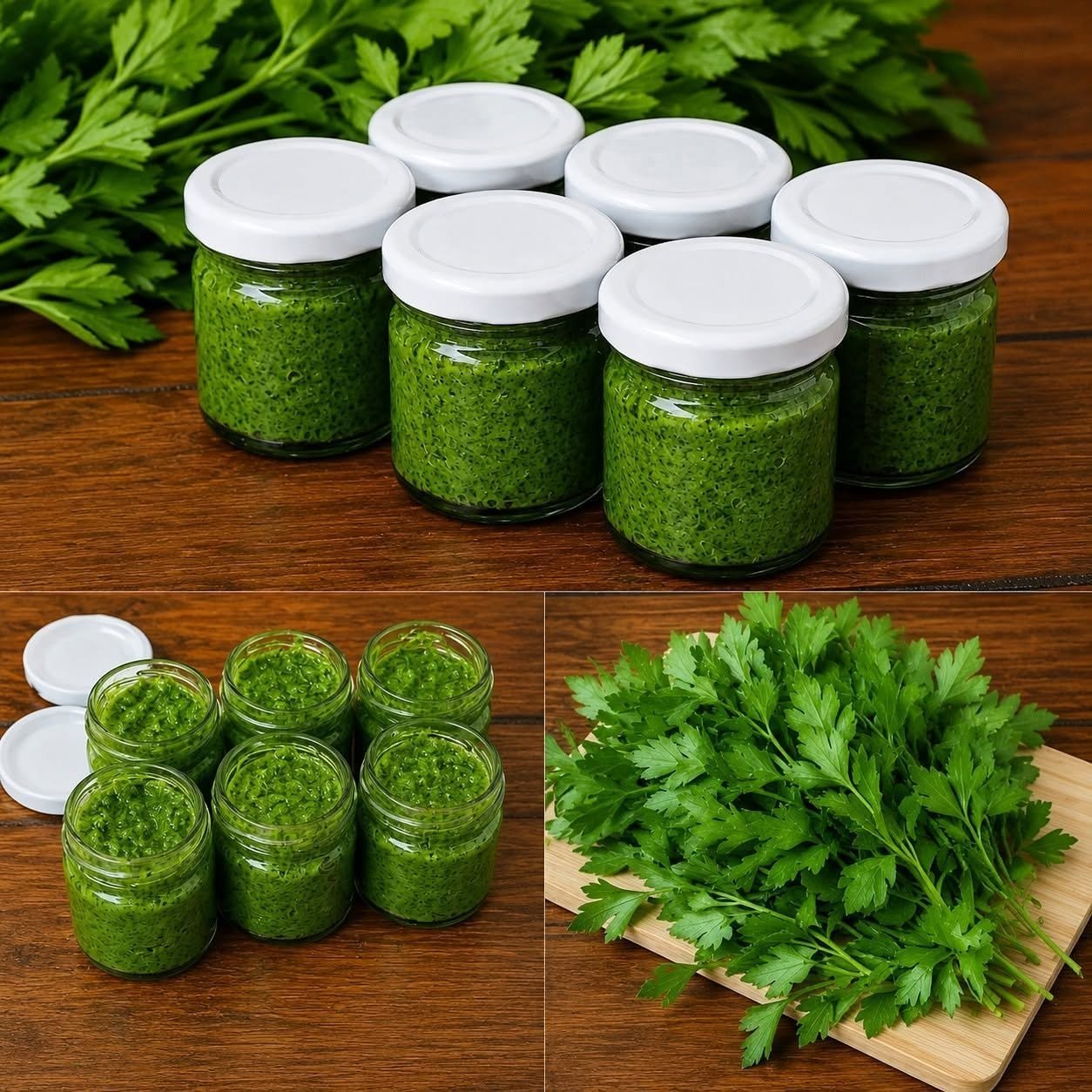
Turning fresh herbs into a flavorful paste is a convenient way to make everyday cooking easier. Whether you’re seasoning soup, adding freshness to vegetables, or improving a homemade sauce, a little herb paste can bring extra aroma and flavor to your dishes.
However, getting the best results involves more than simply blending herbs with oil. Choosing the right herbs, controlling moisture, adding the paste at the right moment, and storing it safely can make a noticeable difference.
Here are some practical kitchen tips to help you get more flavor from homemade herb paste while avoiding common mistakes.
1. Choose Fresh, Healthy Herbs for Better Flavor
The quality of your herbs has a direct effect on the finished paste.
Look for herbs with vibrant green leaves, a pleasant natural aroma, and firm stems. Avoid leaves that are slimy, badly wilted, or developing dark, spoiled areas.
Different herbs also bring different flavors:
-
Parsley: Offers a mild, fresh flavor that works well with potatoes, soups, and vegetables.
-
Cilantro: Adds a distinctive herbal note to rice dishes, marinades, and sauces.
-
Basil: Provides a fragrant flavor that complements tomatoes and pasta.
-
Celery leaves: Bring a savory character to broths and vegetable dishes.
-
Dill: Adds a fresh, slightly grassy flavor to potatoes, fish, and creamy sauces.
For a balanced taste, try combining a mild herb with a more pronounced one rather than mixing several strong herbs in equal amounts.
2. Remove Excess Moisture Before Processing Herbs
One of the most useful kitchen habits when working with fresh herbs is drying them thoroughly after washing.
Water remaining on the leaves can dilute their flavor and make the paste thinner than intended.
A salad spinner can remove much of the surface water without damaging delicate leaves. Clean kitchen towels or paper towels are also helpful.
Why This Tip Works
Removing surface moisture helps maintain a more consistent texture and prevents unnecessary dilution. It also makes it easier to judge how much oil is needed for the desired consistency.
Important: Drying herbs improves texture but does not make fresh herbs preserved in oil shelf-stable or eliminate the need for safe refrigeration.
3. Pay Attention to Herb Stems
Not every part of an herb has the same texture.
Tender parsley and cilantro stems can contribute flavor and blend relatively easily. Tough, woody stems from herbs such as rosemary or thyme are more difficult to process and may leave unpleasant fibers in a smooth paste.
Instead of discarding usable stems, consider freezing them separately for future stocks or broths.
This simple habit helps reduce kitchen waste while making better use of the herbs you purchase.
4. Avoid Overprocessing Your Herbs
A smooth herb paste can be convenient, but processing herbs excessively isn’t always necessary.
Finely chopped herbs release their aroma more readily because cutting exposes more of the plant’s flavorful compounds.
However, herbs can lose their appealing texture when processed for too long. Extended blending may also warm the mixture, which is undesirable when trying to maintain a fresh aroma.
For a more rustic seasoning, leave a little texture. For smooth sauces or dressings, a finer consistency may be preferable.
The best texture depends on how you plan to use the paste.
5. Add Herb Paste at the Right Stage of Cooking
Timing is one of the most important factors when cooking with fresh herbs.
Delicate herbs such as parsley, cilantro, basil, and dill can lose some of their fresh aroma during prolonged heating.
For dishes that simmer for a long time, adding a delicate herb paste near the end of cooking often produces a fresher flavor.
More robust herbs, including rosemary and thyme, generally tolerate longer cooking periods.
Practical Examples
For tomato soup: Stir in a little basil or parsley paste shortly before serving to introduce a fresh herbal note.
For vegetable stews: Add a small amount toward the end of cooking, then taste before adjusting the seasoning.
For roasted potatoes: Toss the cooked potatoes with a little herb paste while they are still warm.
For pasta: Mix a small quantity into the finished sauce rather than exposing delicate herbs to prolonged boiling.
6. Be Careful with Salt
Some homemade herb pastes contain a significant amount of salt.
This means the paste contributes both herbal flavor and seasoning to the dish.
If you salt your food before adding the paste, the final result may become too salty.
A better approach is to add a small amount, mix thoroughly, and taste before deciding whether more seasoning is needed.
Remember that the saltiness of homemade herb paste can vary depending on how it was prepared.
7. Understand What Oil Does—and Doesn’t Do
Oil helps create a spreadable consistency and carries some of the flavor compounds found in herbs.
It also makes herb paste easier to incorporate into sauces, cooked vegetables, and marinades.
However, oil is not a reliable preservative for fresh herbs on its own.
Fresh herbs can carry Clostridium botulinum spores. When moist, low-acid herbs are stored in oil, the reduced-oxygen environment can create conditions favorable for botulism toxin formation if the mixture is improperly stored.
A layer of oil on top of a jar does not make homemade herb paste safe for long-term refrigerator storage or room-temperature storage.
8. Store Homemade Herb Paste Safely
Proper storage is essential when combining fresh herbs with oil.
According to Oregon State University Extension, homemade herb-and-oil mixtures, including pesto-style preparations, should be refrigerated for no more than four days or frozen for longer storage.
Follow these important precautions:
-
Refrigerate homemade herb paste promptly at 40°F (4°C) or below.
-
Use refrigerated paste within four days, or discard it.
-
Freeze portions intended for longer storage.
-
Use clean utensils and containers to reduce contamination.
-
Label containers with the preparation date.
-
Never assume that a clean appearance or pleasant smell means a stored paste is safe.
Adding ordinary amounts of salt or covering the paste with oil does not replace these precautions.
For additional guidance, the CDC’s botulism prevention recommendations advise refrigerating homemade oils containing herbs or garlic and discarding unused portions after four days.
9. Freeze Small Portions to Reduce Waste
Freezing is a practical option when you have more herb paste than you can safely use within a few days.
Small portions are particularly convenient because you can remove only the amount needed for a meal.
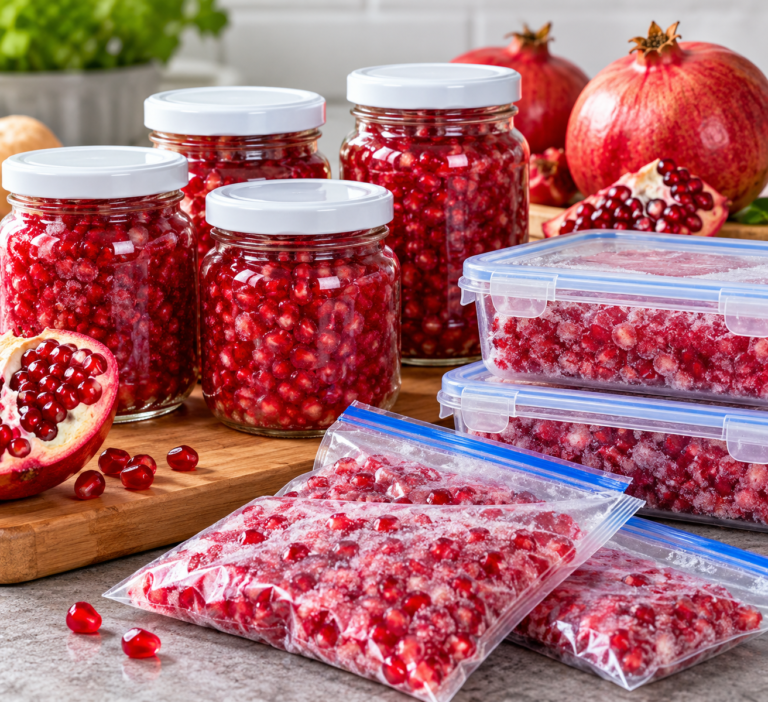
Freezer-safe portion containers or suitable ice cube trays can help organize the paste. Once frozen, portions can be transferred to a labeled, airtight freezer-safe container.
Frozen herb paste is particularly useful for hot dishes, where a slight change in texture after thawing is less noticeable.
For a non-oil alternative, chopped herbs can also be frozen with water. Health Canada’s fresh herb storage advice describes this approach as a convenient way to preserve herbs for later cooking.
10. Common Mistakes to Avoid
Even experienced home cooks can run into problems when working with concentrated herb seasonings.
Using Herbs That Are Already Spoiling
Processing herbs does not restore their freshness or make spoiled leaves safe to eat. Start with herbs in good condition.
Adding Too Much Paste at Once
Concentrated seasoning can overpower mild vegetables, soups, and sauces. Begin with a small amount and adjust gradually.
Cooking Delicate Herbs for Too Long
Extended heating can reduce the fresh aroma of basil, parsley, and cilantro. Save some paste for the final stage of cooking when appropriate.
Assuming Oil or Salt Makes the Paste Shelf-Stable
Neither an ordinary salt addition nor an oil covering makes an untested homemade herb paste safe for extended storage. Refrigeration for a short period or freezing remains essential.
Making More Than You Can Store Properly
Large batches are convenient only when there is enough freezer space. Smaller batches can help minimize waste and simplify safe storage.
Why These Kitchen Tips Work
The flavor of fresh herbs comes from naturally occurring aromatic compounds. Cutting or processing herbs exposes more of these compounds, making their flavor easier to distribute throughout food.
Some aromatic compounds are sensitive to heat, which explains why delicate herbs often taste fresher when added near the end of cooking.
Oil helps distribute certain flavor compounds and contributes to a smooth texture, while careful moisture control helps maintain consistency.
Storage requires a different consideration: food safety. Fresh herbs contain moisture, and oil creates a low-oxygen environment. Refrigeration slows microbial growth but does not make these mixtures safe indefinitely, which is why strict storage limits matter.
Understanding these basic principles makes it easier to use herbs effectively without relying on unnecessary kitchen tricks.
Extra Kitchen Tips for Everyday Cooking
A few small habits can make herb paste even more useful:
-
Keep flavors separate: Store parsley, cilantro, and basil pastes in separate portions when you want greater flexibility.
-
Match herbs to the dish: Use milder combinations for delicate foods and stronger herbs for hearty stews.
-
Taste before adding salt: Especially when using prepared herb pastes that already contain seasoning.
-
Use frozen portions directly in hot dishes: They can be stirred into simmering foods without a separate thawing step.
-
Clean equipment thoroughly: Wash cutting boards, blender containers, and utensils before working with fresh herbs.
These habits help make everyday meal preparation easier while improving flavor consistency.
Final Thoughts
Fresh herb paste can be a useful addition to everyday cooking, especially when you want to bring fresh herbal flavor to soups, sauces, vegetables, and other savory dishes without chopping herbs every time.
The most valuable tips are simple: choose fresh herbs, remove excess surface moisture, adjust seasoning gradually, and add delicate herbs near the end of cooking.
Above all, remember that homemade herb paste containing fresh herbs and oil is not a shelf-stable preserve. Keep it refrigerated for no more than four days or freeze it for longer storage.
With careful handling and thoughtful seasoning, you can enjoy the convenience of homemade herb paste while making better use of fresh herbs in your kitchen.