Chia Pudding Texture Tips: How to Avoid Clumps and Watery Fruit Layers
Chia pudding is simple to prepare, but getting the texture right can be surprisingly tricky. Sometimes the seeds form stubborn clumps, the mixture stays too runny, or a homemade berry topping releases excess liquid and ruins the layers.
The good news is that a few basic kitchen techniques can make a noticeable difference. Understanding how chia seeds absorb liquid, how fruit behaves when heated, and how to combine different textures will help you prepare smoother, more consistent chia pudding with fresh fruit.
Practical Cooking Tips
1. Use the Right Balance of Chia Seeds and Liquid
The relationship between chia seeds and liquid is one of the most important factors affecting pudding consistency.
Chia seeds absorb moisture and develop a gel-like coating. Too much liquid can leave the mixture thin, while too many seeds can produce an overly dense texture.
For better results:
-
Measure chia seeds and liquid consistently.
-
Begin with a moderate amount of liquid rather than adding too much at once.
-
Allow sufficient hydration before deciding whether the mixture needs adjustment.
-
Add extra liquid gradually if the pudding becomes thicker than you prefer.
Different plant-based milks can produce slightly different textures, so small adjustments may be necessary.
2. Stir Thoroughly to Prevent Chia Seed Clumps
One of the most common problems with chia pudding is uneven hydration.
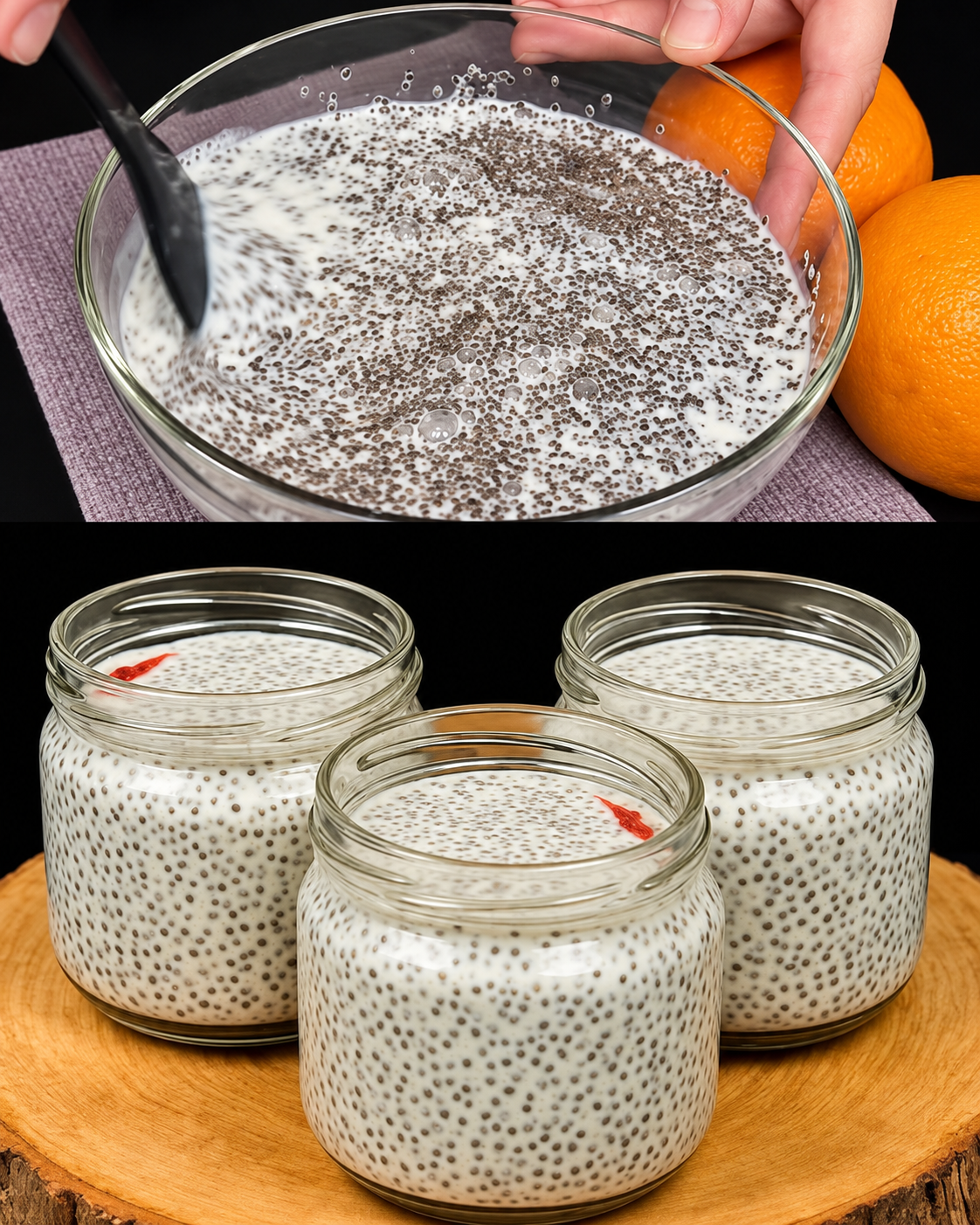
When chia seeds are added to liquid, they can gather together before each seed becomes fully coated. This creates clusters with a thick exterior and a relatively dry center.
To reduce clumping, stir thoroughly when combining the seeds and liquid.
After the mixture begins to thicken, stir again to separate any developing clusters.
A whisk works particularly well for larger batches, while a spoon is usually sufficient for smaller portions.
Helpful tip: Pay special attention to the bottom and corners of the container, where dry seeds sometimes collect.
3. Give Chia Seeds Enough Time to Hydrate
Chia seeds begin absorbing liquid relatively quickly, but the texture continues developing as they hydrate.
A mixture that looks thin shortly after preparation may become considerably thicker after resting.
For a more consistent result, allow the seeds to hydrate in the refrigerator, stirring occasionally during the early stages.
A short resting period can produce a lightly thickened mixture, while longer refrigeration generally allows more complete hydration.
Avoid adding extra seeds immediately when the mixture appears thin. It may simply need more time.
4. Choose Fruit That Will Create a Balanced Texture
Strawberries and raspberries work well in fruit toppings because they soften readily and release juice when heated.
However, their moisture content varies depending on ripeness, variety, and whether they are fresh or frozen.
When selecting berries:
-
Choose fruit that is ripe but not spoiled.
-
Remove damaged or moldy berries.
-
Avoid relying on overly watery fruit when you want a thicker topping.
-
Remember that frozen berries may release additional liquid as they thaw and cook.
Frozen fruit can still be useful, but the additional liquid may require a longer reduction period.
5. Control Moisture When Heating Berries
A fruit topping that contains too much liquid can gradually spread into the chia pudding, making distinct layers difficult to maintain.
Heating berries gently allows them to soften while releasing their natural juices.
As the fruit simmers, some of the moisture evaporates, concentrating the flavor and thickening the mixture.
For better control:
-
Use a saucepan with enough space to stir comfortably.
-
Begin with gentle to medium heat.
-
Stir occasionally to prevent sticking.
-
Allow excess moisture to evaporate before deciding whether a thickener is necessary.
Avoid heating fruit aggressively. High heat can cause the mixture to stick or scorch before enough moisture has evaporated.
6. Add Cornstarch Properly When Thickening Fruit
Cornstarch can help create a thicker, smoother fruit topping, but the method of adding it matters.
Sprinkling dry cornstarch directly into a hot fruit mixture can produce lumps.
Instead, combine the cornstarch with a little cool water to create a smooth slurry.
Gradually stir the slurry into the hot fruit and continue heating gently until the mixture thickens.
Use only as much as needed. Excessive cornstarch can create a heavy or pasty texture that overpowers the fruit.
For toppings that are already naturally thick, additional starch may be unnecessary.
7. Choose Between Smooth and Chunky Fruit Toppings
The consistency of a fruit topping affects both its appearance and the way it combines with chia pudding.
A smooth fruit puree creates a more uniform layer, while lightly mashed berries provide a more rustic texture with pieces of fruit.
For smoother results, use an immersion blender or countertop blender. Allow hot fruit to cool sufficiently and follow the blender manufacturer’s instructions for processing hot foods.
If you prefer a less noticeable seed texture, strain the puree through a fine-mesh sieve.
Neither method is automatically better. The choice depends on the texture you want.
8. Cool the Fruit Topping Before Layering
Temperature can affect how well the different layers hold their shape.
A warm fruit topping is often thinner than the same topping after cooling. Adding it directly to chilled chia pudding may cause the layers to mix.
Allow cooked fruit to cool promptly, then refrigerate it until chilled.
When assembling, spoon the fruit gently over the pudding rather than pouring it quickly into the center.
Using the back of a spoon can help spread the topping without disturbing the layer underneath.
9. Adjust Sweetness Gradually
Fruit sweetness varies, so adding a large quantity of sweetener before tasting can produce an unnecessarily sweet topping.
Ripe strawberries may need less added sweetness than tart raspberries.
Honey, maple syrup, and other sweeteners also differ in intensity and flavor.
Start with a small amount, taste, and adjust gradually.
When using concentrated sweeteners such as stevia, follow the specific product’s instructions. Different formulations have very different sweetness levels and should not be substituted by weight without checking their concentration.
Why These Tips Work
Understanding a few basic food-science principles makes it easier to correct common texture problems.
Chia Seeds Form a Gel When Hydrated
The outer layer of chia seeds contains substances called mucilage, which absorb water and form a gel-like coating.
This natural process explains why chia seeds can thicken liquids without heating.
The final texture depends on the amount of liquid available, how evenly the seeds are distributed, and how completely they hydrate.
Stirring helps distribute the seeds, while sufficient resting time allows the gel structure to develop more evenly.
Research into chia seed hydration and mucilage supports this explanation.
Moisture Determines Fruit Topping Consistency
Berries contain substantial amounts of water.
As they heat, their structure softens and juice is released. Continued gentle cooking allows some of that water to evaporate.
Reducing excess moisture produces a more concentrated topping that is less likely to spread into the pudding.
However, excessive cooking can produce an overly thick mixture or dull the fresh fruit flavor.
Heat Activates Cornstarch Thickening
Cornstarch thickens liquids through a process called gelatinization.
As starch granules heat in liquid, they absorb water and swell, increasing the mixture’s thickness.
Mixing cornstarch with cool water before adding it to a hot preparation helps distribute the starch evenly and prevents lumps.
This method is commonly recommended in culinary education and university extension guidance.
Common Mistakes to Avoid
Even simple preparations can produce disappointing results when a few small details are overlooked.
-
Adding too much liquid: This can create a watery consistency. Allow enough hydration time before adjusting the proportions.
-
Skipping the second stir: Chia seeds may settle or stick together as they absorb liquid. Stir again during the early hydration period.
-
Adding dry cornstarch to hot fruit: This can cause lumps. Mix it with a small amount of cool liquid first.
-
Overthickening the fruit topping: Excessive starch or prolonged reduction may produce a gummy texture. Stop when the consistency suits your intended use.
-
Layering with warm fruit: Warm topping can soften the pudding and disrupt the appearance of separate layers. Chill both components before assembling.
-
Adding too much sweetener: Excess sweetness may overpower the natural flavor of the fruit. Taste before making adjustments.
Correcting these small mistakes generally produces a more consistent result than making major changes to the ingredients.
Practical Kitchen Examples
Example 1: Fixing Chia Pudding That Is Too Thick
Imagine opening a container of refrigerated chia pudding and finding that the mixture has become much thicker than expected.
Rather than discarding it, stir in a small splash of almond milk.
Continue adjusting gradually until the pudding becomes easier to spoon.
Adding the liquid in stages gives you better control than pouring in a large amount at once.
Example 2: Improving a Watery Strawberry Topping
Suppose a strawberry topping releases more juice than expected.
Instead of immediately adding cornstarch, return the fruit to gentle heat and allow some moisture to evaporate.
Stir periodically and check the consistency.
If additional thickening is still necessary, a small cornstarch slurry can help.
This approach avoids adding starch when simple moisture reduction would be sufficient.
Example 3: Creating Cleaner Layers in Dessert Glasses
When preparing individual glasses, the fruit layer may sink into the chia pudding if either component is too thin.
A better approach is to chill both mixtures until they have developed enough structure.
Use a spoon to distribute the fruit gently, working from the outside toward the center.
This technique is useful whenever two soft mixtures need to remain visibly separate.
Extra Kitchen Tips
A few additional habits can improve consistency and make preparation easier.
Use transparent containers when appearance matters. Clear glasses make it easier to see the thickness and placement of individual layers.
Use a silicone spatula for thicker mixtures. It helps scrape hydrated chia seeds from the sides of the bowl and reduces waste.
Taste fruit toppings after cooling. Temperature can change how sweetness and acidity are perceived, so a final taste check can help prevent over-sweetening.
Keep notes when adjusting proportions. If you regularly prepare chia pudding with different plant-based milks, recording successful adjustments can help you reproduce your preferred texture.
Food Safety and Storage Advice
Chia pudding with fruit and plant-based milk should be handled as a perishable prepared food.
Wash Fresh Berries Properly
Before preparing fresh strawberries, raspberries, or other berries, rinse them gently under clean running water.
Avoid washing fruit with soap, detergent, or household cleaning products.
The U.S. Food and Drug Administration recommends washing produce under running water and using clean equipment and preparation surfaces.
Refrigerate Prepared Mixtures Promptly
Store prepared chia pudding and cooked fruit toppings in clean, covered containers in a refrigerator maintained at 40°F (4°C) or below.
Do not leave perishable mixtures at room temperature for more than two hours, or more than one hour when temperatures exceed 90°F (32°C).
For cooked fruit toppings, divide large quantities into smaller, shallow containers to promote faster cooling.
Follow Safe Storage Practices
As a conservative guideline, plan to use properly refrigerated prepared pudding and fruit toppings within three to four days, consistent with USDA general guidance for leftovers. Actual quality may decline sooner depending on the ingredients and handling.
Use a clean spoon when serving, keep containers covered, and avoid repeatedly leaving prepared portions on the counter.
Discard food that has been stored improperly, even if its smell and appearance seem normal.
These precautions follow established FDA and USDA food-storage recommendations.
Conclusion
Improving chia pudding is largely about managing moisture, hydration, and temperature. Thorough stirring prevents clumps, patient refrigeration helps the seeds thicken evenly, and properly prepared fruit creates a more stable topping.
With these straightforward kitchen techniques, you can achieve more consistent textures and attractive fruit layers without complicated equipment or unnecessary ingredients.