10 Simple Tricks That Make Homemade Food Taste Amazing
Discover 10 easy cooking tricks that can transform ordinary homemade meals into delicious dishes full of flavor.
Have you ever wondered why restaurant food sometimes tastes better than the meals you prepare at home? The secret isn’t always expensive ingredients or complicated recipes. Often, it’s the little details that make the biggest difference.
From seasoning your food properly to using fresh herbs and mastering the art of browning, a few simple techniques can take your everyday cooking to the next level.
At Daily Dish Craft, we believe that great cooking doesn’t have to be complicated. Here are 10 simple tricks that will help you make homemade food taste amazing.
1. Season Your Food at the Right Time
Salt does much more than make food salty. It helps bring out the natural flavors of your ingredients.
Instead of adding all your salt at the end, season gradually as you cook. Add a little to vegetables while sautéing, season meat before cooking, and taste your sauces as they simmer.
Pro tip: Start with a small amount of salt, taste your food, and adjust before serving. Remember that ingredients such as cheese, stock cubes, and soy sauce may already contain plenty of salt.
2. Don’t Be Afraid of Garlic and Onions
Garlic and onions are essential ingredients in countless delicious dishes because they create a flavorful foundation.
Cooking chopped onions slowly in a little oil helps them become soft, sweet, and aromatic. Garlic adds wonderful flavor, but it burns quickly, so add it later when preparing most sautés.
Pro tip: Cook your onions until they are soft and lightly golden before adding the remaining ingredients. This simple step can make soups, sauces, rice, and stews taste much richer.
3. Brown Your Ingredients for Extra Flavor
One of the biggest secrets to delicious food is browning.
When meat, mushrooms, and certain vegetables develop a golden-brown surface, they gain deeper, more complex flavors through a process called the Maillard reaction.
To achieve this, make sure your pan is hot enough, dry your ingredients when appropriate, and avoid overcrowding the pan.
Pro tip: Cook meat in batches instead of filling the pan completely. Too much food releases moisture and makes ingredients steam rather than brown.
4. Add a Little Acid to Brighten the Flavor
Sometimes, a dish tastes flat even when you’ve added enough salt and spices. The missing ingredient may be acidity.
Lemon juice, vinegar, and tomatoes can brighten flavors and balance rich or heavy dishes.
Try squeezing fresh lemon over grilled chicken, adding a splash of vinegar to lentil soup, or finishing a creamy sauce with a small amount of lemon juice.
Pro tip: Add acidic ingredients gradually near the end of cooking, taste, and adjust. A little can make a big difference.
5. Use Fresh Herbs and Spices
Herbs and spices can completely change the character of a meal.
Cumin, paprika, black pepper, cinnamon, thyme, parsley, and coriander each bring different flavors to your cooking.
Dried spices often benefit from briefly warming them in oil at the beginning of a recipe, while delicate fresh herbs are usually best added near the end.
Pro tip: Store spices in airtight containers away from heat, light, and moisture. Replace them when their aroma becomes weak.
6. Cook Pasta in Properly Salted Water
Pasta absorbs water as it cooks, so seasoning the cooking water helps flavor it throughout rather than leaving the pasta bland inside.
Use a large pot with plenty of water, bring it to a boil, and add salt before the pasta. Follow the package instructions and taste a piece to check the texture.
Before draining, reserve a cup of pasta water.
Pro tip: Toss the cooked pasta directly with your sauce and add a small splash of reserved pasta water. Its starch helps the sauce cling to the pasta and creates a smoother finish.
7. Make Your Own Simple Sauce
A good sauce can turn basic ingredients into an impressive meal.
You don’t need complicated recipes. Olive oil, garlic, tomatoes, herbs, butter, yogurt, or lemon can form the basis of many delicious sauces.
For a quick tomato sauce, gently cook garlic in olive oil, add crushed tomatoes, season with salt and pepper, and let everything simmer until the flavors come together.
Pro tip: Let your sauce simmer gently instead of rushing it. Taste before serving and adjust the seasoning if necessary.
8. Don’t Overcook Your Food
Even the best ingredients can lose their appeal when overcooked.
Overcooked vegetables can become mushy, chicken breast can turn dry, and fish can lose its delicate texture.
Learn to recognize when ingredients are ready instead of relying only on cooking times. Use a food thermometer when appropriate, especially for meat and poultry.
Pro tip: For many cooked meats, resting before slicing helps retain more juices. Follow appropriate food-safety guidance to ensure the food reaches a safe internal temperature.
9. Finish Your Dishes With Something Fresh
The final touch can make a homemade dish look and taste more exciting.
Fresh parsley, coriander, spring onions, lemon zest, toasted nuts, or a small drizzle of good olive oil can add aroma, color, texture, and freshness.
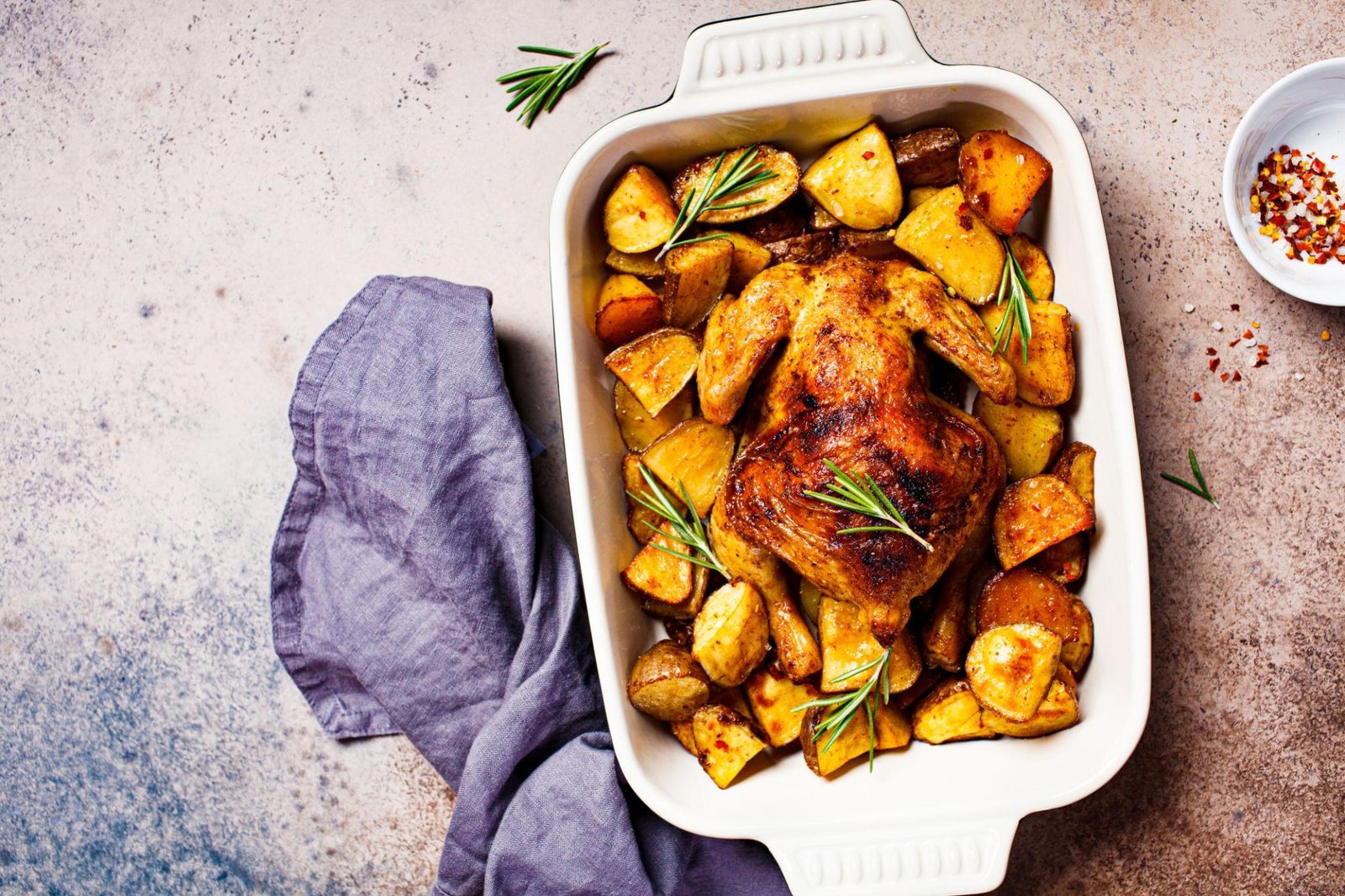
For example, sprinkle fresh parsley over roasted potatoes or finish a bowl of soup with lemon juice and chopped herbs.
Pro tip: Think about contrast. Creamy dishes benefit from freshness, soft foods can benefit from crunch, and rich meals often taste better with a little acidity.
10. Always Taste Before Serving
One of the most useful habits you can develop in the kitchen is tasting your food before it reaches the table.
A recipe is a guide, but ingredients vary in freshness, sweetness, saltiness, and intensity. Tasting helps you understand what your dish needs.
Ask yourself:
- Does it need more salt?
- Would a little lemon juice brighten the flavor?
- Is there enough spice?
- Does the sauce need more time to reduce?
- Would fresh herbs improve the finish?
Pro tip: Make small adjustments one at a time. Taste again after each change so you don’t accidentally overpower the dish.
Final Thoughts
Making homemade food taste amazing doesn’t require expensive equipment or professional cooking skills. Often, the biggest improvements come from seasoning carefully, browning ingredients properly, balancing flavors, and paying attention to texture.
Start with just two or three of these tricks the next time you cook. As you become more comfortable, you’ll learn how small adjustments can make a remarkable difference.
Remember, great cooking is about more than following a recipe. It’s about understanding your ingredients, experimenting with flavors, and enjoying the process.
Which of these cooking tricks do you use most often? Share your favorite tip and keep exploring delicious ideas with Daily Dish Craft!
Love simple cooking tips and delicious recipes? Explore more ideas on Daily Dish Craft and discover how to make every meal a little more special.