Creamy Mashed Potato Tips: How to Get a Smooth, Fluffy Texture
Creamy mashed potatoes are one of the simplest comfort foods, but getting the texture just right can be surprisingly tricky. Sometimes the potatoes turn out watery, heavy, or sticky even when you use good ingredients and plenty of butter.
One technique worth trying is replacing some or all of the usual milk with warm heavy cream. The cream adds richness and helps create a smooth texture without requiring as much liquid. For a slightly tangier result, crème fraîche can also be a useful alternative.
However, the secret to excellent mashed potatoes isn’t just one ingredient. The potato variety, cooking method, moisture level, mashing tool, and amount of mixing all contribute to the finished texture.
These practical mashed potato tips explain how to use cream effectively, prevent a gluey texture, and achieve a smoother, more flavorful result using simple kitchen techniques.
Why Mashed Potato Texture Matters
Good mashed potatoes should feel soft and creamy without becoming sticky or watery.
The ideal texture depends partly on personal preference. Some people enjoy light, fluffy potatoes, while others prefer a dense, silky purée.
Both styles can be delicious when prepared correctly.
Problems often begin when the potatoes contain too much water, are processed too aggressively, or receive too much liquid at once.
Understanding these common issues makes it easier to choose the appropriate technique.
1. Choose the Right Potatoes for the Texture You Want
Different potato varieties contain different amounts of starch and moisture.
These differences affect how easily the potatoes break apart and how they respond to added butter or cream.
Russet Potatoes
Russet potatoes are relatively starchy and floury.
They break apart readily after cooking and are particularly useful when you want a lighter, fluffier mash.
Yukon Gold Potatoes
Yukon Gold potatoes have a naturally buttery flavor and a moderately creamy texture.
They are a good choice for a smoother, richer mashed potato dish.
Waxy Potatoes
Red and other very waxy potatoes generally hold their shape more firmly.
They can be useful in potato salads, but may require more effort to mash smoothly.
Excessive mixing can make their texture less appealing.
Practical tip: For fluffy mashed potatoes, start with a floury variety. For a creamier, slightly denser result, consider Yukon Gold or another suitable all-purpose potato.
2. Cook Potatoes Evenly Before Mashing
Unevenly cooked potatoes are difficult to mash consistently.
Large pieces may remain firm while smaller pieces become excessively soft.
This can produce lumps and encourage unnecessary mixing.
Use Similar-Sized Pieces
When cutting potatoes before boiling, keep the pieces approximately the same size.
This helps them cook more evenly.
Begin with Cold Water
Placing potatoes in cold water before heating allows the temperature to rise more gradually.
This can help reduce the difference between the cooked exterior and the center.
Avoid Excessive Boiling
A steady simmer is generally preferable to vigorous boiling.
Cook until the pieces are tender enough for a fork to pass through easily.
Overcooking can cause the pieces to absorb unnecessary moisture or begin breaking apart in the cooking water.
Common mistake: Continuing to boil potatoes long after they are already tender.
Better approach: Check for tenderness regularly and drain as soon as they are ready.
3. Remove Excess Water Before Adding Cream
This is one of the most useful techniques for improving mashed potato consistency.
Cooked potatoes may retain water after draining.
If you immediately add milk or cream, the additional liquid can make the mash softer than intended.
Drain Thoroughly
After cooking, transfer the potatoes to a colander and allow the water to drain away.
Avoid leaving a significant amount of cooking water at the bottom of the saucepan.
Allow Excess Steam to Escape
Return the drained potatoes to the warm saucepan.
Let excess steam escape briefly.
If necessary, use very low heat for a short period while gently moving the potatoes.
Avoid browning or scorching them.
Why This Works
Removing excess moisture gives you more control over the texture.
Instead of trying to correct watery mashed potatoes with extra ingredients, you can add the desired amount of cream gradually.
Practical tip: Well-drained potatoes often need less added liquid to achieve a smooth consistency.
4. Use a Potato Ricer Instead of a Blender
The tool you use to mash potatoes can make a noticeable difference.
A potato ricer pushes cooked potato through small openings, producing relatively fine pieces.
A food mill can create a similarly smooth result.
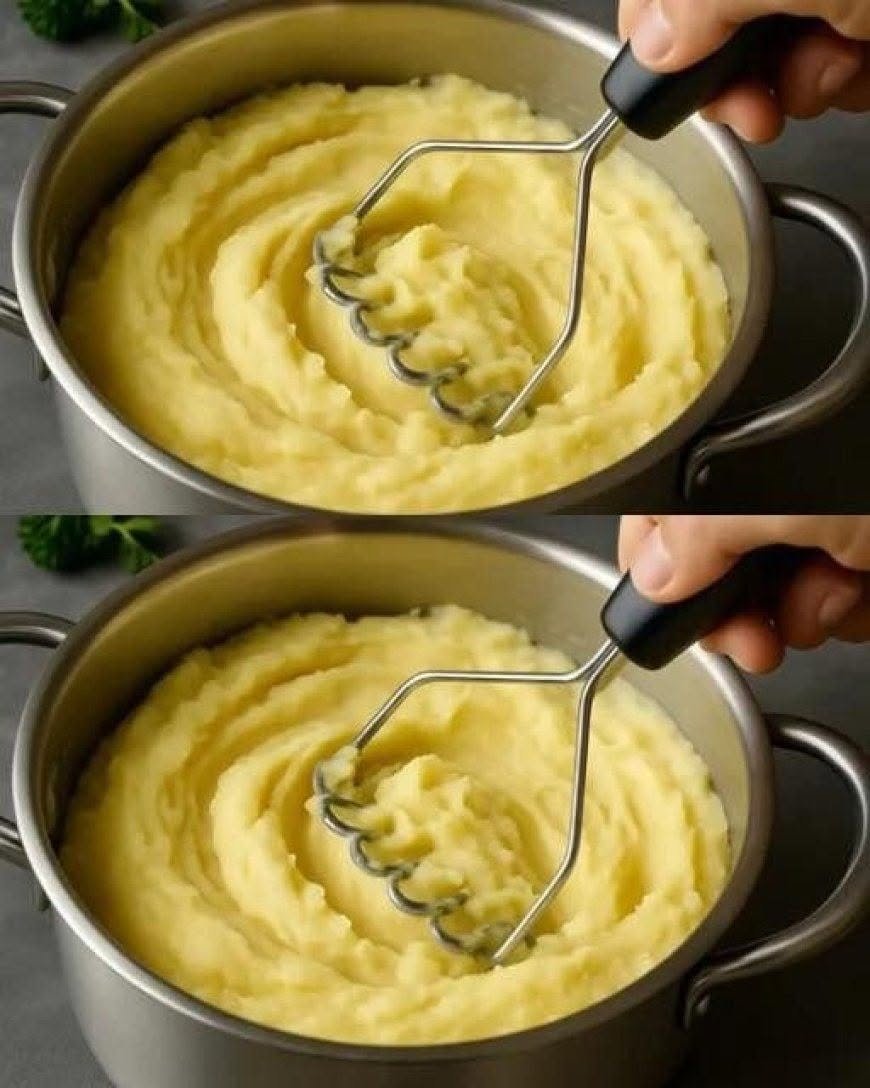
A traditional hand masher is also useful, particularly when you prefer a slightly rustic texture.
Why a Blender Can Be a Problem
Potatoes contain starch inside their cells.
Aggressive processing can damage more of those cells, releasing additional starch into the mixture.
As the potatoes are blended or whipped excessively, the texture can become sticky, elastic, or glue-like.
Better Tools for Mashed Potatoes
| Tool | Typical Result |
|---|---|
| Potato ricer | Fine, light, relatively smooth texture |
| Food mill | Smooth, uniform purée |
| Hand masher | Soft texture with some small lumps |
| Electric mixer | Can work with care but risks overmixing |
| Blender or food processor | High risk of an unpleasant gluey texture |
For the best control, use a ricer or a hand masher and stop mixing once the potatoes reach the texture you want.
5. Add Butter for Richness Without Overworking the Potatoes
Butter contributes flavor and richness to mashed potatoes.
Its fat helps create a satisfying mouthfeel.
However, adding an excessive amount isn’t necessary for every meal.
Use Butter in Moderate Amounts
Begin with an amount appropriate for the quantity of potatoes.
Fold it gently into the warm mash.
Avoid beating the potatoes repeatedly just to incorporate the butter.
Should Butter Be Cold or Warm?
Both softened and cold butter appear in established mashed potato techniques.
The preferred choice can depend on the preparation and the texture you’re trying to achieve.
Small pieces of butter generally melt readily when folded into hot potatoes.
The most important consideration is gentle mixing rather than using a particular butter temperature as a universal rule.
Be Mindful of Salt
Salted butter contributes seasoning.
Taste the finished dish before adding more salt, especially when using salted butter or salty cheese.
6. Try Warm Heavy Cream Instead of Adding More Milk
Heavy cream is the main ingredient trick behind this approach.
Compared with ordinary milk, heavy cream contains more fat and generally provides a richer texture.
It can make mashed potatoes feel smoother and more luxurious without requiring a large volume of added liquid.
Why Warm the Cream?
Cold cream lowers the temperature of the potatoes when mixed in.
Warming it gently helps maintain a pleasant serving temperature and allows it to incorporate more easily.
The cream should be warm rather than boiling.
Add Cream Gradually
Begin with a small splash.
Fold it gently into the mashed potatoes.
Check the consistency before adding more.
Continue only until the potatoes reach the texture you prefer.
There is no need to use all the cream you have prepared.
Avoid Making the Mash Too Rich
Cream contains considerably more fat than ordinary milk.
Using a large amount alongside generous quantities of butter can produce a heavy dish.
Start conservatively and adjust according to your preferences.
Important: Milk is not an inferior ingredient. Warm milk and butter can also produce excellent mashed potatoes. Cream is simply another option when you want more richness.
7. Consider Crème Fraîche for Extra Creaminess and Flavor
Crème fraîche offers a slightly different result from heavy cream.
It is a cultured dairy product with a thick consistency and a gentle tangy flavor.
When mixed into warm mashed potatoes, it can add richness while balancing some of the buttery flavors.
What Makes Crème Fraîche Different?
Heavy cream contributes richness with a relatively mild dairy flavor.
Crème fraîche provides richness along with a subtle acidity.
This acidity can make an especially rich potato dish taste more balanced.
How to Incorporate It
Allow very cold crème fraîche to lose some of its chill before mixing, while following normal safe handling practices for perishable dairy foods.
Fold a small amount into the warm potatoes.
Taste and assess the consistency before adding more.
Avoid prolonged vigorous mixing.
Can You Use Sour Cream Instead?
Sour cream is a possible alternative.
It usually has a sharper tang than crème fraîche, and its texture may differ.
Plain thick yogurt is another option for a lighter, tangier result.
The best choice depends on the flavor and texture you want.
8. Add Liquids in Small Amounts
One of the most common mashed potato mistakes is adding all the liquid at once.
Different potato varieties absorb different quantities of liquid.
Even the same variety can behave differently depending on how it was cooked and drained.
Why Gradual Addition Helps
Adding cream a little at a time makes it easier to stop at the desired consistency.
It is usually easier to soften thick mashed potatoes than to correct a mixture that has become excessively runny.
What If the Potatoes Are Already Too Thin?
Avoid immediately adding flour or cornstarch.
Those ingredients can significantly change the texture.
Instead, assess whether the mixture can be gently thickened by allowing a little moisture to evaporate over low heat.
Stir carefully and avoid overheating.
If the mixture remains very loose, serve it as a softer potato purée rather than repeatedly mixing it until it becomes sticky.
9. Season the Potatoes After Checking the Texture
Creamy mashed potatoes need balanced seasoning.
Salt enhances the natural flavor of potatoes, while black or white pepper adds gentle warmth.
However, it’s best to adjust seasoning after incorporating the butter and cream.
Taste Before Adding Extra Salt
Butter, cheese, and some other additions may already contain salt.
Make small adjustments.
Try White Pepper
White pepper provides a mild peppery flavor and blends visually into pale mashed potatoes.
Black pepper works well too, especially if you don’t mind visible specks.
Use Fresh Herbs
Chives and parsley provide freshness.
Add them near serving time for better color and aroma.
Experiment with Garlic
Roasted garlic creates a milder, sweeter flavor than raw garlic.
A little roasted garlic can complement rich mashed potatoes without overwhelming them.
Avoid adding so much that the original potato flavor disappears.
10. Serve Mashed Potatoes While Warm
Mashed potatoes often taste best soon after preparation.
As they cool, the starch structure changes, and the texture may become firmer.
Reheating can restore warmth, but the result may not be identical to freshly made potatoes.
Keep Them Warm Without Overcooking
If serving shortly after preparation, use an appropriate covered serving dish.
For longer hot holding, maintain a food-safe temperature rather than leaving the mash lukewarm on the counter.
Avoid Repeated Heating and Cooling
Repeated heating can reduce quality.
For leftovers, refrigerate promptly and reheat only the portion you need.
Why These Mashed Potato Tips Work
Understanding a few basic food-science principles explains why the texture changes so dramatically.
Potato Starch Influences Consistency
Potatoes contain starch granules inside plant cells.
Cooking softens the potatoes and allows them to be mashed.
Excessive mechanical mixing damages more cells and releases starch, which can produce a sticky texture.
Moisture Changes the Final Result
Excess cooking water increases the amount of liquid in the mash.
Thorough draining gives you better control over how much cream or milk is needed.
Fat Adds Richness
Butter and cream contribute fat, creating a smoother, richer mouthfeel.
The ideal amount depends on personal preference.
Warm Ingredients Blend More Easily
Warm cream helps maintain the temperature of the potatoes and can be incorporated gently.
It is not necessary to boil the cream.
Potato Variety Makes a Difference
Floury potatoes and moderately waxy potatoes have different textures.
Choosing the right variety can be as important as choosing between milk and cream.
For an explanation of potato starch and gluey mashed potatoes, see RICARDO’s guide to making mashed potatoes properly.
Common Mistakes to Avoid
The Mashed Potatoes Are Gluey
Possible cause: Overmixing or using a blender.
Better approach: Use a potato ricer, food mill, or hand masher. Stop working the potatoes once they become smooth enough.
The Potatoes Are Watery
Possible cause: Excess cooking water or too much added liquid.
Better approach: Drain thoroughly and incorporate cream gradually.
The Mashed Potatoes Are Too Heavy
Possible cause: Excessive butter and heavy cream.
Better approach: Use smaller amounts or combine butter with warm milk for a lighter result.
The Potatoes Have Lumps
Possible cause: Uneven cooking or insufficient mashing.
Better approach: Cook evenly sized pieces until tender and use an appropriate mashing tool.
The Potatoes Taste Bland
Possible cause: Insufficient seasoning.
Better approach: Adjust salt and pepper gradually after adding butter and cream.
The Mash Becomes Cold During Mixing
Possible cause: Large amounts of cold dairy ingredients.
Better approach: Warm the liquid gently before adding it.
The Potatoes Become Dry After Reheating
Possible cause: Moisture loss during storage or overheating.
Better approach: Reheat gently, stirring occasionally, and use a little suitable warm liquid if necessary.
Practical Examples: Choosing the Right Creamy Texture
Example 1: Light and Fluffy Mashed Potatoes
For a lighter mash, select floury potatoes such as Russets.
Drain thoroughly.
Pass the cooked potatoes through a ricer.
Fold in a moderate amount of butter and add warm milk or cream gradually.
Stop mixing as soon as the texture is light and cohesive.
Example 2: Rich, Silky Mashed Potatoes
For a richer result, select Yukon Gold potatoes or another suitable moderately starchy variety.
Mash gently.
Add butter, followed by small amounts of warm heavy cream.
The finished texture should be smooth and creamy without becoming loose.
Example 3: Tangy Mashed Potatoes
For a more balanced dairy flavor, experiment with a little crème fraîche.
Fold it into warm mashed potatoes near the end.
Season with black pepper or chives.
This variation pairs well with savory meat or mushroom dishes.
How to Store Mashed Potatoes Safely
Mashed potatoes containing butter, cream, or other dairy ingredients are perishable.
Refrigeration
Transfer leftovers to shallow, covered containers.
Refrigerate within two hours of cooking, or within one hour when the surrounding temperature exceeds 90°F (32°C).
Keep the refrigerator at 40°F (4°C) or below.
Properly refrigerated cooked potatoes can generally be stored for 3–4 days.
Freezing
Mashed potatoes can be frozen in suitable freezer-safe containers.
Cream- or butter-enriched potatoes may retain a more pleasant texture than very watery preparations, although freezing results vary.
For best quality, use frozen portions within approximately 1–2 months.
Reheating
Reheat leftovers thoroughly to 165°F (74°C).
Stir carefully to distribute the heat.
If the texture becomes too thick, add a small amount of warm milk or cream as needed.
Do not repeatedly leave dairy-based mashed potatoes at room temperature.
For reliable storage advice, consult the USDA’s Leftovers and Food Safety guidance.
Frequently Asked Questions
Is Heavy Cream Better Than Milk for Mashed Potatoes?
Heavy cream produces a richer texture because it contains more fat.
Milk can also create smooth, creamy mashed potatoes, particularly when combined with butter.
Neither is universally better.
Why Should You Warm Cream Before Adding It?
Warm cream helps keep the potatoes from cooling too quickly and can be folded into the mash more easily.
Can I Make Mashed Potatoes Without Milk?
Yes. Heavy cream, crème fraîche, or another suitable liquid can be used according to your desired texture.
Can I Use Crème Fraîche Instead of Heavy Cream?
Yes, but it provides a thicker consistency and a slightly tangier flavor.
Start with a modest amount and adjust.
Why Do My Mashed Potatoes Become Sticky?
Excessive blending or mixing can rupture potato cells and release additional starch.
Using a ricer or masher helps reduce this problem.
What Is the Best Potato for Creamy Mash?
Yukon Gold potatoes are a useful choice for a naturally creamy texture.
Russets are especially suitable for light, fluffy mashed potatoes.
Can I Use a Hand Mixer?
Yes, with care.
Use a gentle setting and stop as soon as the desired texture is reached.
A ricer or hand masher offers more control.
Should I Add Butter Before Cream?
Adding butter first is one useful technique.
However, the most important factors are using appropriate quantities and avoiding excessive mixing.
Can You Fix Gluey Mashed Potatoes?
Once the starch has been overworked, the texture cannot be completely reversed.
Avoid further vigorous mixing.
You may be able to improve the mouthfeel slightly with a little butter or cream, but the result will not necessarily become fluffy again.
How Long Do Mashed Potatoes Last in the Refrigerator?
Properly refrigerated cooked mashed potatoes generally keep for 3–4 days.
Refrigerate promptly and reheat leftovers thoroughly.
Can Mashed Potatoes Be Frozen?
Yes. Cool them safely, divide into suitable portions, and freeze.
Their texture may change after thawing.
What Can I Add for More Flavor?
Chives, roasted garlic, black pepper, white pepper, parsley, and a little crème fraîche are practical options.
Use small quantities so the potato flavor remains noticeable.
More Helpful Potato Tips from DailyDishCraft
If you enjoy working with potatoes, explore our How to Make Crispy French Fries at Home.
That guide explains how moisture control and cooking temperatures affect crispness.
For a different homemade potato dish, see our Crispy Potato and Cheese Sticks.
It shows how mashed potatoes can be used in a shaped, savory snack.
Final Thoughts
Creamy mashed potatoes depend on more than the amount of milk, butter, or cream you add.
Choosing a suitable potato variety, draining it thoroughly, using the right mashing tool, and avoiding excessive mixing are all important for achieving a smooth texture.
Warm heavy cream can create a richer result, while crème fraîche adds a subtle tang that complements savory dishes.
For a lighter version, warm milk remains a perfectly good option.
The best approach is to control moisture, add dairy gradually, and stop mixing once the potatoes reach your preferred consistency.
With these simple techniques, you can prepare mashed potatoes that are creamy, flavorful, and pleasant to serve.