Homemade Pasta Sauce Tips: How to Prepare, Preserve, and Store Vegetable Sauce for Winter
Homemade pasta sauce is one of the most useful things to keep on hand for busy days. A flavorful combination of tomatoes, peppers, onions, squash, and herbs can turn a simple meal into something satisfying without spending hours in the kitchen.
However, preparing vegetable pasta sauce for winter involves more than combining fresh produce. The way you select vegetables, control moisture, balance seasonings, and store the finished sauce can make a noticeable difference in both flavor and quality.
Whether you prefer freezing homemade pasta sauce or using a tested home-canning method, these practical kitchen tips will help you prepare a delicious sauce and preserve it safely.
1. Choose Fresh, Ripe Vegetables for Better Flavor
The quality of your vegetables has a major influence on the finished sauce.
Ripe tomatoes provide a flavorful base, while bell peppers contribute natural sweetness and onions add savory depth. Squash can give the sauce extra body and a softer texture.
For the best results, choose tomatoes that are ripe but not spoiled. Avoid vegetables with mold, extensive bruising, or signs of deterioration.
Helpful Tips for Selecting Vegetables
-
Choose meaty tomatoes when you want a naturally thicker sauce.
-
Use red bell peppers for sweetness and green peppers for a slightly sharper flavor.
-
Select firm squash with smooth skin and no soft spots.
-
Choose onions that feel firm and have dry outer skins.
Using vegetables at their peak freshness can also help you achieve a more consistent texture.
2. Control Excess Moisture for a Thicker Pasta Sauce
One of the most common problems with homemade vegetable pasta sauce is excess water.
Tomatoes and squash naturally contain significant amounts of moisture. As they soften during cooking, they release liquid that can leave the sauce thinner than expected.
A useful kitchen technique is to allow moisture to evaporate gradually rather than relying on additional thickening ingredients.
A wide cooking pot provides more surface area for evaporation. Gentle simmering also gives the vegetables an opportunity to soften while the sauce becomes more concentrated.
How to Avoid Watery Sauce
Avoid covering the pot throughout the entire reduction process if your goal is a thicker consistency.
Stir regularly, especially as the sauce begins to thicken, because concentrated tomato mixtures can stick to the bottom of the pot.
Remember that squash may continue releasing moisture as it softens. Consider this when deciding how thick you want the finished sauce.
3. Build Flavor Through Proper Vegetable Preparation
Good vegetable pasta sauce depends on how different flavors develop together.
Onions become sweeter and less sharp as they soften. Tomatoes develop a richer, more concentrated taste as moisture evaporates, while peppers contribute sweetness and a distinctive aroma.
Cutting vegetables into reasonably consistent pieces helps them cook more evenly.
For a rustic sauce, slightly larger pieces create a hearty texture. For a smoother sauce, smaller pieces are easier to break down or blend.
Should You Peel Tomatoes and Peppers?
Tomato skins can separate from the flesh during cooking, leaving small curled pieces in the sauce.
Peeling tomatoes can create a smoother texture, but it is not always necessary when making sauce for immediate use or freezing.
Bell pepper skins may also remain noticeable in a finished sauce. Roasting and removing the skins is an option when you prefer a softer, more uniform consistency.
For home canning, follow the preparation instructions in the tested preservation recipe rather than making substitutions.
4. Balance Acidity, Sweetness, and Seasonings
Tomatoes naturally provide acidity, while onions, peppers, and squash influence the overall sweetness and flavor.
A well-balanced pasta sauce should taste savory and rich without becoming excessively sour or sweet.
Dried oregano and smoked paprika can add complexity, while black pepper contributes gentle warmth.
Useful Seasoning Tips
Taste the sauce as its flavor develops rather than adding excessive seasoning at the beginning.
Keep in mind that reducing a sauce concentrates salt and other flavors. A sauce that initially tastes mild can become strongly seasoned after some moisture evaporates.
A small amount of acidity can brighten the flavor of a cooked sauce, but vinegar or citrus juice should never be treated as a substitute for a scientifically tested preservation method.
When making sauce intended for freezing, you have more flexibility to adjust seasonings according to personal preference.
5. Use Freezing for Convenient Winter Storage
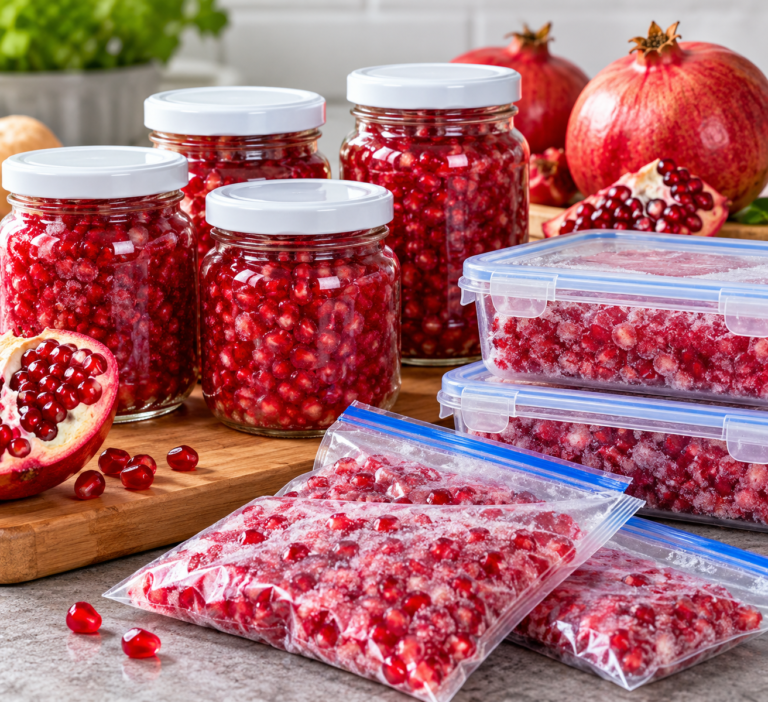
Freezing is a practical way to preserve homemade vegetable pasta sauce without needing a specialized canning process.
It is particularly useful for sauces containing squash, peppers, onions, and other vegetables in proportions that have not been tested for shelf-stable canning.
Freezing individual portions makes it easier to use only what you need.
Tips for Freezing Homemade Pasta Sauce
Choose freezer-safe containers or bags designed for food storage.
Leave sufficient expansion space in rigid containers because liquids expand as they freeze.
Label each container with its contents and freezing date so older portions can be used first.
For better quality, avoid repeatedly thawing and refreezing large containers. Smaller portions are more convenient for everyday cooking.
6. Understand the Difference Between Freezing and Canning
Freezing and home canning are not interchangeable preservation methods.
Tomatoes are relatively acidic, but peppers, onions, and squash are low-acid vegetables. Combining them can produce a sauce that requires pressure canning under a scientifically tested process.
Important: Pouring hot vegetable sauce into jars, sealing them, and heating the jars in partially submerged boiling water does not establish that the sauce is safe for pantry storage.
Adding an unspecified amount of vinegar or lime juice does not make an untested vegetable sauce safe for boiling-water canning.
The National Center for Home Food Preservation provides a tested spaghetti sauce preservation method and warns against increasing the proportions of certain low-acid vegetables. Its tested sauce requires pressure canning.
What to Remember About Safe Canning
Use recipes developed and tested specifically for home canning.
Do not change vegetable proportions, jar sizes, processing methods, or required pressure settings without scientifically validated guidance.
Avoid assuming that a longer boiling-water treatment will make an untested vegetable mixture safe.
If you want to preserve a customized sauce containing generous amounts of squash and peppers, freezing is generally the more practical choice.
7. Why These Cooking and Storage Tips Work
Understanding a few basic kitchen principles can help you achieve more consistent results.
Moisture Evaporation Improves Texture
As water evaporates from tomatoes and other vegetables, the remaining sauce becomes thicker and its flavors more concentrated.
This explains why a sauce can taste richer after gradual reduction.
Vegetable Preparation Affects Consistency
Smaller, evenly cut vegetable pieces soften more uniformly. Larger pieces retain more of their individual shape, creating a chunkier sauce.
The preparation method therefore influences both texture and how the sauce feels when combined with pasta.
Proper Storage Helps Maintain Quality
Refrigeration slows bacterial growth, while freezing prevents microbial growth during frozen storage. Neither method makes spoiled food safe again.
Safe home canning requires a validated combination of acidity, heat, and processing conditions to control dangerous microorganisms, including those associated with botulism.
8. Common Mistakes to Avoid
Even experienced home cooks can encounter problems when preparing vegetable sauces in large batches.
Using vegetables that are too watery: Very juicy tomatoes and squash may require additional reduction to achieve the desired consistency.
Overcrowding the cooking pot: An overly full pot makes stirring difficult and can slow evaporation.
Adding too much seasoning early: Salt and spices can become more concentrated as the sauce reduces.
Ignoring the bottom of the pot: Thick tomato mixtures can scorch, creating an unpleasant taste throughout the sauce.
Freezing sauce in unsuitable containers: Containers that are not freezer-safe may crack or fail to protect food quality.
Assuming sealed jars are automatically safe: A lid that appears vacuum-sealed does not prove that the contents were processed safely.
Avoiding these mistakes makes homemade sauce preparation more reliable and reduces unnecessary food waste.
9. Practical Ways to Use Homemade Vegetable Pasta Sauce
A good vegetable sauce can serve as a convenient base for several everyday meals.
Quick Weeknight Pasta
Warm a portion of prepared sauce and combine it with freshly cooked pasta.
If the sauce has become particularly thick, a little reserved pasta water can help it coat the noodles more evenly.
Rice and Grain Bowls
Vegetable pasta sauce also works well with rice, barley, or other cooked grains.
Its tomato base adds moisture and flavor, making it useful when preparing a simple lunch or dinner from pantry staples.
A Flavorful Base for Other Dishes
Use the sauce as a starting point for vegetable skillets, baked dishes, or meals containing cooked meat.
Additional herbs, garlic, or freshly grated cheese can help create different flavor profiles without preparing a completely new sauce.
When adding meat or other perishable ingredients, follow appropriate cooking and food-storage guidance.
10. Food Safety and Storage Advice
Proper storage is especially important when preparing homemade sauce in large quantities.
Refrigerator Storage
Transfer cooked sauce into shallow, food-safe containers for rapid cooling.
Refrigerate promptly, within two hours of cooking, or within one hour when the surrounding temperature exceeds 90°F (32°C).
Keep the refrigerator at 40°F (4°C) or below and use refrigerated cooked vegetable sauce within three to four days.
Freezer Storage
For long-term storage, keep sauce frozen at 0°F (-18°C) or below.
For best quality, aim to use frozen vegetable sauce within approximately two to three months. Food kept continuously frozen at the proper temperature remains safe longer, although its texture and flavor may gradually deteriorate.
Thaw frozen sauce in the refrigerator rather than leaving it on the kitchen counter.
These recommendations are consistent with guidance from FoodSafety.gov.
A Special Warning About Improperly Canned Sauce
Vegetable sauce preserved using an untested canning method should not be assumed safe for room-temperature storage.
If jars prepared using an unsafe method have already been kept in the pantry, do not taste the contents to check whether they are safe. Discard them appropriately.
Botulism contamination cannot reliably be identified through normal appearance, smell, or taste.
11. Extra Kitchen Tips for Better Homemade Sauce
A few additional habits can make preparing and using homemade pasta sauce easier.
Keep the texture versatile. A moderately thick, rustic sauce can be blended after thawing if you want a smoother consistency.
Season again when serving. Fresh herbs and final seasoning adjustments can brighten a sauce that has been frozen.
Use clearly labeled containers. Recording preparation dates helps with meal planning and freezer organization.
Freeze in practical quantities. Small containers are useful for individual meals, while larger portions work well for family dinners.
Keep utensils and surfaces clean. Good kitchen hygiene remains important even when the finished sauce will be cooked or frozen.
Conclusion
Preparing homemade vegetable pasta sauce for winter is a useful way to enjoy the flavors of tomatoes, peppers, onions, and squash throughout the colder months.
The best results come from choosing fresh vegetables, managing excess moisture, developing balanced flavors, and selecting a safe storage method.
For customized vegetable sauces, freezing offers flexibility and convenience. If you prefer shelf-stable jars, always use a scientifically tested canning recipe and follow its instructions exactly.
With thoughtful preparation and proper storage, homemade pasta sauce can become a dependable kitchen staple that makes everyday meals easier and more enjoyable.