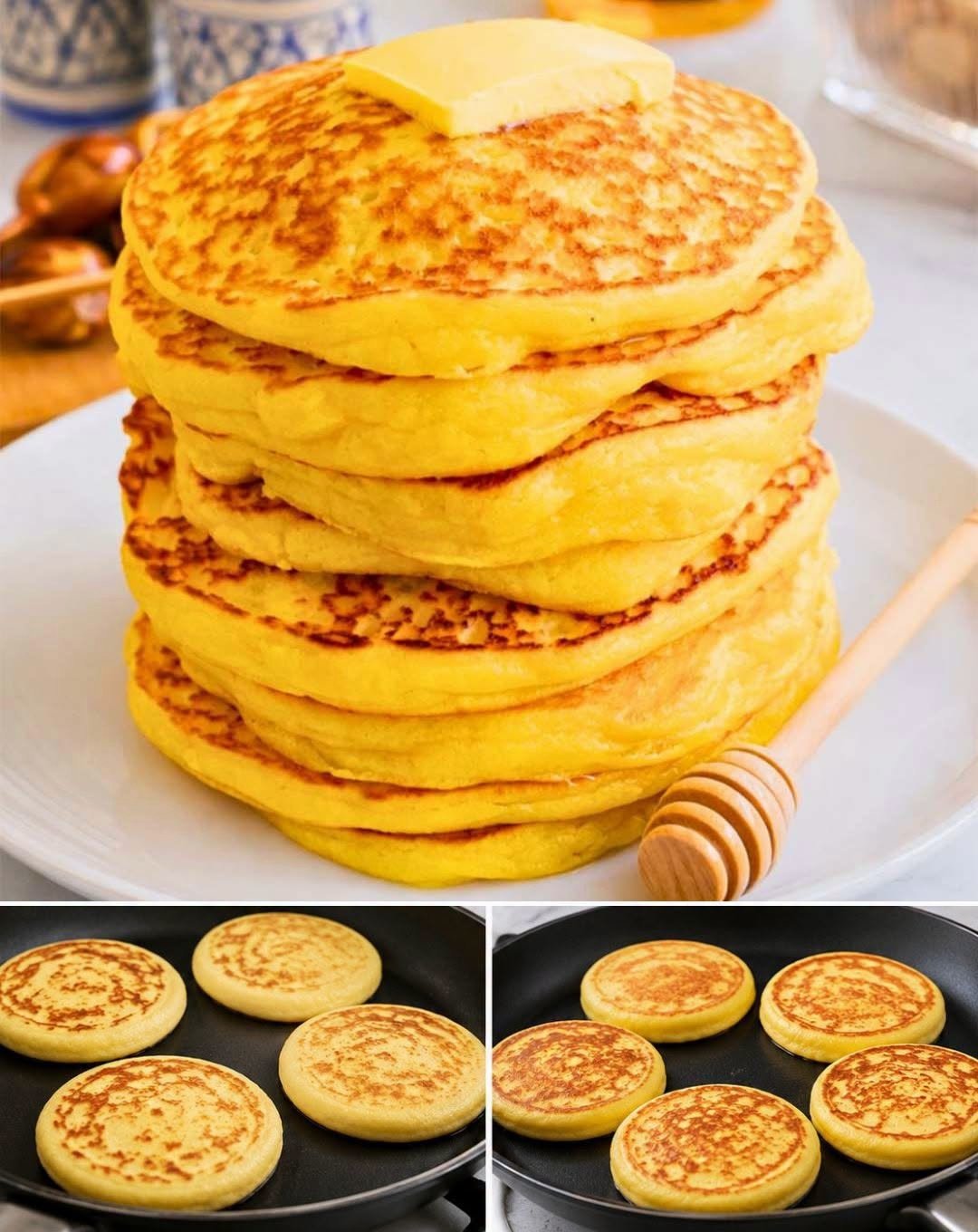
Moroccan Harcha Pancakes: Soft, Golden Semolina Cakes for Breakfast
There’s something special about a warm Moroccan breakfast made with simple pantry ingredients. Harcha, a traditional semolina-based flatbread, is a favorite in many Moroccan homes, often enjoyed with a glass of mint tea, coffee, or warm milk.
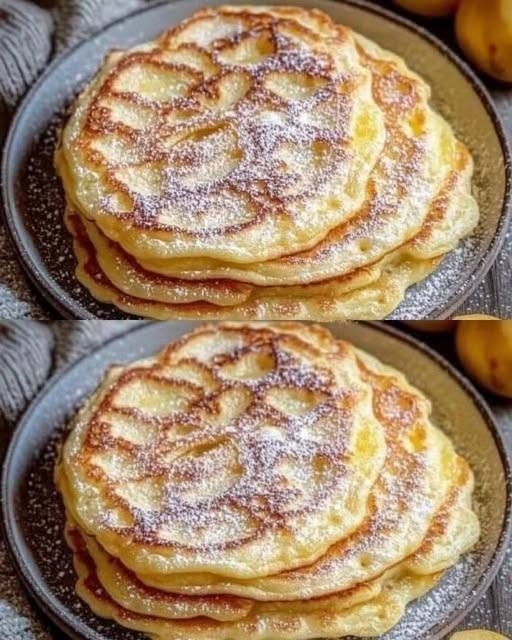
Unlike ordinary flour pancakes, harcha has a distinctive texture thanks to semolina. The outside develops a lightly golden crust while the inside stays tender when the mixture is prepared and cooked correctly. Serve it with honey, jam, butter, or cheese for a comforting breakfast or afternoon snack.
This homemade version combines semolina, milk, and a mixture of butter and oil to create a convenient, family-friendly recipe. It is a delicious way to bring a taste of Moroccan cooking to your table.
Why You’ll Love This Moroccan Harcha Recipe
- Simple ingredients: The recipe uses everyday baking ingredients that are easy to find in many supermarkets.
- A distinctive texture: Fine semolina gives harcha its characteristic crumb, different from that of conventional flour pancakes.
- Sweet or savory: Pair the finished cakes with honey and jam, or experiment with cheese and aromatic seeds.
- Great for sharing: Serve a warm batch at breakfast, during a relaxed weekend brunch, or as an afternoon treat.
Ingredients for Homemade Harcha
Yield: Approximately 10 pancakes, depending on their size and thickness
Preparation time: 10 minutes
Resting time: 15–20 minutes
Cooking time: Approximately 20 minutes
Estimated total time: 45–50 minutes, including resting
Ingredients
- 375 g fine semolina
- 60 ml neutral vegetable oil
- 60 ml melted butter
- 450 ml lukewarm milk
- 3 g baker’s yeast
- 11 g baking powder
- 15 g vanilla sugar
- 1½ tablespoons sugar or honey
- 7 g salt
A note about the measurements: The quantities above follow the supplied recipe. Because the amount of liquid is relatively generous for a traditional semolina cake mixture, the batter’s consistency should be checked during preparation. The precise texture and cooking behavior need to be confirmed through a kitchen test.
How to Make Moroccan Harcha Step by Step
1. Coat the Semolina With Butter and Oil
Place the fine semolina in a large mixing bowl. Add the melted butter and neutral oil, then rub the mixture gently between your fingertips until the semolina is evenly coated.
This technique distributes the fat throughout the grains and helps create a tender texture. Allow the butter to cool slightly before adding it so that it is warm rather than excessively hot.
2. Prepare the Milk Mixture
Pour the lukewarm milk into a separate bowl. If using baker’s yeast, dissolve it in the milk, then mix in the baking powder, vanilla sugar, sugar or honey, and salt.
The milk should feel comfortably warm, not hot. Excessive heat can damage the yeast, while very cold milk may slow its activity.
3. Combine the Wet and Dry Ingredients
Gradually add the milk mixture to the semolina. Stir gently until everything is evenly combined, avoiding the kind of vigorous kneading used for bread dough.
The mixture should be moist and easy to spoon. Cover the bowl and leave it to rest for 15–20 minutes, giving the semolina time to absorb some of the liquid.
Before cooking, check the consistency. If the mixture spreads immediately like a thin crepe batter, it may be difficult to turn into thick harcha cakes. Adjustments to the liquid quantity should be made only after testing the recipe.
4. Shape the Pancakes
Heat a non-stick frying pan over medium-low heat. Lightly grease it if necessary.
Spoon a portion of the mixture into the pan and shape it into a small, thick round. Leave enough space between pancakes to make turning them easier.
For more uniform results, divide the mixture into similarly sized portions. Smaller pancakes are generally easier to handle, especially when the batter is soft.
5. Cook Until Golden on Both Sides
Let the first side cook until the bottom is golden and the pancake holds its shape. Carefully turn it over with a wide spatula and cook the other side.
Cooking time will depend on the thickness of each pancake and the heat of the pan. The approximately two minutes per side suggested in the original recipe should be treated as a starting point, not a guarantee.
Keep the heat moderate. A pan that is too hot can brown the outside before the center has cooked through. If the pancakes are browning too quickly, lower the heat and allow them more time.
6. Serve While Warm
Transfer the cooked harcha to a plate and serve warm. Offer a selection of toppings so everyone can choose their favorite combination.
Honey and butter make a classic sweet pairing, while jam adds fruitiness. For a savory breakfast, serve the cakes with soft cheese or another favorite accompaniment.
Four Ways to Customize Your Harcha
One of the advantages of making harcha at home is how easily you can experiment with different flavors.
Cheese Harcha
For a savory variation, add a little grated cheese to the mixture or place a small amount of cheese in the center of each portion before cooking. Seal the filling carefully so it does not leak into the pan.
Mozzarella, mild processed cheese, or another melting cheese can work, although the filling may affect the cooking time.
Coconut Harcha
Stir two to three tablespoons of shredded coconut into the mixture for a more fragrant, slightly tropical flavor. Coconut absorbs moisture, so check the batter before shaping the pancakes.
This version pairs particularly well with honey or fruit jam.
Harcha With Seeds
Sesame, anise, or nigella seeds can add aroma and a little texture. Mix a small quantity into the semolina or sprinkle some over the pancakes before cooking.
Start with a modest amount to ensure that the seeds complement the semolina rather than overpowering it.
Harcha Without Butter
If you prefer not to use butter, replace it with an appropriate amount of additional oil. Mild olive oil is one option, although its flavor may be more noticeable than that of neutral oil.
The texture and flavor will differ slightly from the original version, so adjust the recipe according to your preference.
Tips for Better Homemade Harcha
Give the semolina time to absorb the milk. Resting helps the grains hydrate and can make the mixture easier to handle.
Pay attention to the batter. Semolina absorbs liquid differently depending on its grind and brand. A brief rest followed by a consistency check is more reliable than assuming every batch will behave identically.
Avoid excessive heat. Moderate heat encourages even cooking and helps prevent a dark exterior with an undercooked center.
Keep the pancakes reasonably thick. Harcha is known for its characteristic semolina texture. Very thin cakes may cook differently and be harder to turn if the mixture is soft.
Test the first pancake. Cook one small portion before preparing the rest. This allows you to assess the thickness, browning, and consistency before committing the entire batch.
How to Store and Reheat Harcha
Allow leftover pancakes to cool, then place them in a clean, airtight container and refrigerate promptly. For the best quality, use refrigerated leftovers within two to three days, following safe food-handling practices.
To reheat, warm the pancakes in a dry or lightly greased frying pan over low heat until heated through. A toaster may also work for firmer, unfilled pancakes.
Harcha can also be frozen. Separate the cooled pancakes with baking paper, place them in a freezer-safe container or bag, and label them with the date. Reheat thoroughly after thawing, or directly from frozen if the thickness allows the center to heat evenly.
Frequently Asked Questions
Is Moroccan harcha the same as an ordinary pancake?
No. Harcha is made primarily with semolina, which gives it a distinctive texture. Conventional pancakes generally use wheat flour and often have a softer, more cake-like crumb.
Can I serve harcha with savory toppings?
Absolutely. Cheese, olives, and other savory accompaniments can make it suitable for a savory breakfast or light meal. The vanilla sugar in this particular recipe may give it a sweeter flavor, so a savory adaptation may benefit from reducing or omitting it.
Why is my harcha too soft to turn?
The mixture may contain too much liquid for the particular semolina being used, or the first side may need more time to set. Let the mixture rest, check its consistency, and test a small pancake over moderate heat before making the rest.
Can I prepare the mixture in advance?
For the most predictable results, cook the mixture after its initial resting period. Because this recipe contains milk and yeast, prolonged storage of the uncooked mixture can affect both food safety and the final texture. Refrigerate promptly if preparation is delayed, and avoid leaving the dairy mixture at room temperature for extended periods.
A Simple Taste of Moroccan Breakfast Tradition
Homemade harcha is a lovely example of how a few familiar ingredients can create something distinctive. Its semolina-based texture, golden surface, and versatility make it a welcome addition to a breakfast table.
Serve it warm with honey, jam, or cheese, and experiment with small variations until you find the combination you enjoy most. Once the batter consistency and cooking temperature are right, this Moroccan-inspired recipe can become a useful addition to your homemade breakfast collection.