Authentic Italian Zabaglione: A Light, Creamy Dessert Made with Just 3 Ingredients
gin incorporating air before the cooking stage.
Step 3: Add the Marsala Wine
Slowly pour the Marsala into the egg mixture while continuing to whisk.
Mix until the wine is evenly incorporated.
At this stage, the mixture should be smooth and relatively fluid.
Step 4: Gently Cook While Whisking
Position the bowl over the saucepan of simmering water.
Whisk continuously, moving around the bottom and sides of the bowl to prevent hot spots.
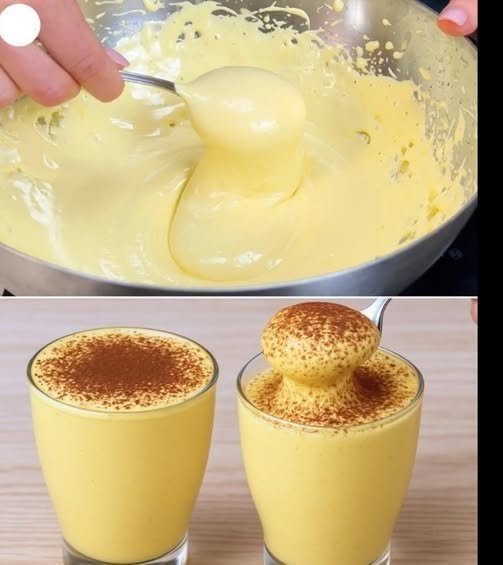
After approximately 7–10 minutes, the mixture should become noticeably thicker, paler, and more voluminous.
Look for a soft, ribbon-like consistency: when you lift the whisk, the cream should fall in a continuous stream and briefly leave a visible trail on the surface.
For food safety, use a thermometer to check that an egg mixture made with unpasteurized eggs reaches 71°C (160°F). Keep the heat gentle and avoid overheating.
Step 5: Serve Immediately
Remove the bowl from the heat and continue whisking briefly to help maintain the smooth texture.
Divide the zabaglione between four small dessert glasses or bowls.
Serve while warm, either plain or with your favorite toppings.
Fresh berries and crisp Italian biscuits make especially appealing accompaniments.
What Does Zabaglione Taste Like?
The first thing you’ll notice about zabaglione is its unusual texture.
It has the richness of custard but the lightness of a freshly whipped mousse. When properly prepared, the cream feels delicate and velvety rather than dense.
Its flavor combines three distinctive elements.
The egg yolks provide richness and body, the sugar contributes sweetness, and the Marsala introduces complex wine aromas.
Depending on the Marsala you choose, you may notice hints of dried fruit, toasted nuts, or caramel.
Warm zabaglione has a particularly soft consistency, while a cooled version becomes somewhat firmer.
Because Marsala is a central ingredient, the finished dessert has a recognizable wine flavor and may retain alcohol after its brief cooking time.
Tips for Making Perfect Zabaglione
Choose Good-Quality Eggs
Egg yolks are responsible for much of zabaglione’s color, body, and texture.
Use properly refrigerated eggs from a reliable source. Fresh-looking, rich-colored yolks can produce an attractive golden dessert, although yolk color varies with the hen’s diet and does not by itself indicate freshness or quality.
For additional food safety, pasteurized eggs are a useful option, especially when preparing gently cooked egg desserts.
Keep the Temperature Under Control
A water bath helps protect the mixture from direct heat, but it doesn’t eliminate the possibility of overcooking.
Keep the water at a gentle simmer and adjust the heat whenever necessary.
If the mixture starts thickening unevenly, lift the bowl away from the saucepan briefly while continuing to whisk.
Don’t Stop Whisking
Continuous whisking serves two purposes: it helps incorporate air and distributes heat throughout the mixture.
These actions are essential for achieving a smooth, airy consistency.
An electric mixer can reduce the physical effort, but a regular whisk works well too.
Serve It Fresh
Zabaglione is especially enjoyable shortly after preparation, when its foam is at its lightest.
Although it can be chilled, the texture may change as it cools and sits.
For the best presentation, prepare it shortly before serving.
Which Marsala Wine Should You Use?
Marsala is a fortified wine associated with Sicily, and its characteristics vary depending on the style.
For zabaglione, sweet or semi-dry Marsala can work well.
Sweet Marsala produces a fuller, more dessert-like flavor, while dry Marsala can provide a less overtly sweet wine character.
Remember that the recipe already contains a substantial quantity of sugar, so your choice of wine will affect the overall balance.
Other fortified or dessert wines, such as Madeira, Port, or Vin Santo, can be used for variations, although the resulting flavor will differ from traditional Marsala zabaglione.
Delicious Ways to Serve Zabaglione
One of zabaglione’s advantages is that it works both as a standalone dessert and as an accompaniment to other sweets.
1. With Fresh Berries
Spoon warm zabaglione over strawberries, raspberries, or a combination of berries.
Their natural acidity contrasts beautifully with the rich, sweet cream.
2. With Italian Cookies
Serve a small glass of zabaglione alongside amaretti or ladyfinger biscuits.
The cookies provide a crunchy or tender contrast, depending on which you choose.
3. Over Poached Fruit
Try serving zabaglione with gently poached pears or peaches.
Soft fruit and warm custard create an elegant dessert without requiring elaborate decoration.
4. With Dark Chocolate
Sprinkle a small amount of finely grated dark chocolate over the finished cream.
Chocolate adds a slightly bitter element that balances the sweetness.
5. As a Dessert Sauce
Use zabaglione as a warm topping for plain sponge cake or simple fruit desserts.
It adds richness without requiring a separate frosting or heavy sauce.
Common Zabaglione Mistakes and How to Avoid Them
The cream turns lumpy. This usually indicates that the mixture became too hot or heated unevenly. Keep the water barely simmering, whisk constantly, and remove the bowl from the heat if necessary.
The mixture stays thin. It may need additional gentle heating and whisking. Look for a significant increase in volume and a ribbon-like texture rather than relying on cooking time alone.
The dessert tastes too strongly of wine. Marsala styles vary in intensity. You may prefer a milder or sweeter variety next time. Changing the amount of wine will also affect the recipe’s balance and texture.
The foam collapses before serving. Zabaglione is a delicate preparation. For the airiest result, serve it promptly after cooking.
Frequently Asked Questions
Can zabaglione be made without alcohol?
Yes, variations can be prepared using nonalcoholic liquids, but the flavor will not be identical to traditional Marsala zabaglione. Because wine contributes both liquid and flavor, substitutions may require some experimentation.
Is zabaglione served hot or cold?
Both are possible. Traditional warm zabaglione is especially light and frothy. Chilled variations are also popular, sometimes with whipped cream folded in to create a more stable mousse-like dessert.
Can I prepare zabaglione in advance?
It is best prepared shortly before serving. If you need to make it ahead, cool it promptly and refrigerate it. Expect the texture to become less airy over time.
Is zabaglione safe for children?
Traditional zabaglione contains wine, and brief heating does not reliably remove all the alcohol. For children or anyone avoiding alcohol, choose an alcohol-free dessert variation.
How do I know when it is ready?
The cream should look pale, thick, airy, and foamy. It should fall from the whisk in ribbons that briefly remain visible before disappearing into the mixture. Visual appearance alone cannot confirm that the eggs have reached a safe cooking temperature, so a thermometer is recommended.
A Simple Dessert Worth Adding to Your Recipe Collection
Italian zabaglione demonstrates how a few familiar ingredients can become something special through careful preparation.
Its appeal comes from the combination of rich flavor, delicate texture, and straightforward technique. Once you understand how to control the heat and whisk the mixture properly, it becomes a versatile dessert that can be adapted to different occasions.
Enjoy it warm in individual glasses, spoon it over seasonal fruit, or pair it with crisp Italian cookies.
For a dessert made from just three basic ingredients, zabaglione offers an impressive amount of flavor and elegance.
Sources and Further Reading
- Original source article: Authentic Italian Zabaione — Reference for the traditional ingredient combination and proportions.
- PBS Food: Zabaglione by Lidia Bastianich — Additional reference for the traditional double-boiler preparation.
- USDA: Shell Eggs from Farm to Table — Guidance on handling and safely cooking egg dishes.
Editorial note: The exact historical origin of zabaglione remains uncertain, so unverified origin legends have been omitted. Preparation times are estimates, and nutritional values have not been calculated. This article is newly written rather than a sentence-by-sentence adaptation. Reusing the original website’s photographs or substantial portions of its writing may require permission from the rights holder.