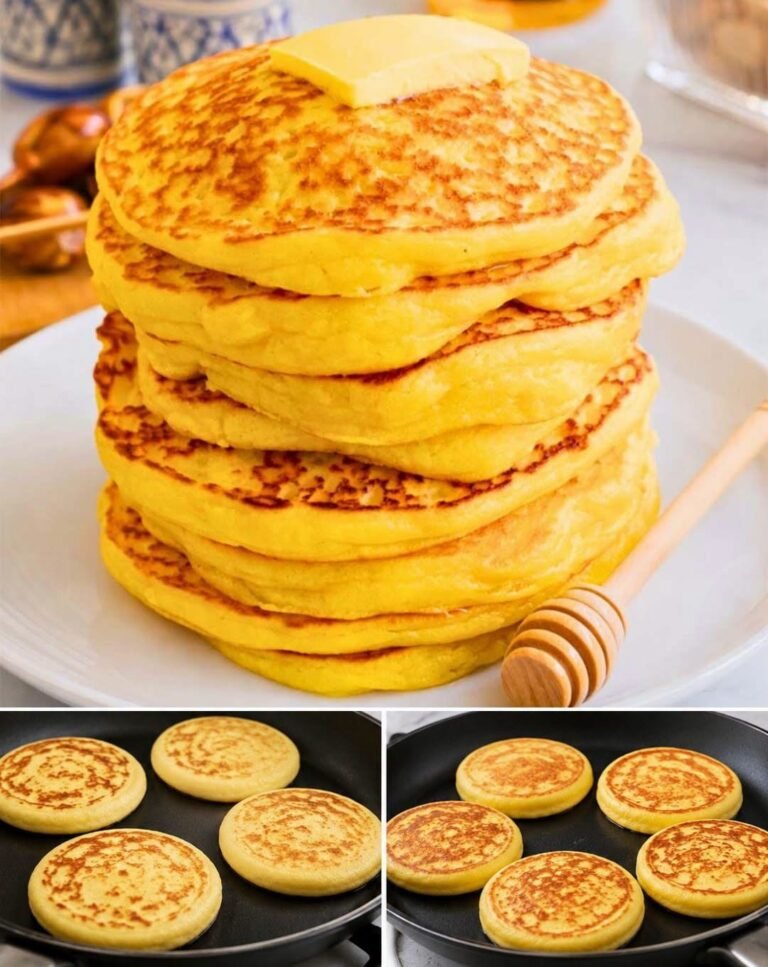
Easy 3-Ingredient Skillet Flatbread (No Yeast or Oven Needed)
When you want warm, homemade bread but don’t have time to wait for dough to rise, skillet flatbread is a simple solution. Made with everyday pantry staples and cooked directly in a frying pan, these soft, flexible flatbreads are perfect for quick lunches, sandwiches, wraps, and family dinners.
This recipe uses flour, vegetable oil, water, and a pinch of salt for seasoning. There is no yeast to activate and no oven to preheat. A short resting period helps the dough become easier to roll, while cooking it in a hot pan gives each flatbread a lightly toasted surface and a tender interior.
Why You’ll Love This Homemade Flatbread
- No yeast required: You can skip proofing and get straight to preparing the dough.
- Simple ingredients: Everything you need is easy to find in a typical kitchen.
- Cooked on the stovetop: A regular frying pan is enough to make these flatbreads.
- Easy to customize: Serve them plain or pair them with your favorite savory fillings, dips, and spreads.
- Useful for meal preparation: Make a batch to accompany soups, salads, grilled vegetables, or other everyday dishes.
Ingredients You’ll Need
This recipe makes approximately eight flatbreads, depending on how thinly you roll the dough.
- 450 g all-purpose flour
- 2 tablespoons vegetable oil
- 240 ml warm water
- A pinch of salt
A quick note about the ingredients: Although the recipe is often described as a three-ingredient flatbread, the salt is an additional seasoning. The flour provides structure, the oil helps make the dough more pliable, and the water brings everything together.
How to Make Skillet Flatbread
Step 1: Combine the Ingredients
Add the flour to a large mixing bowl. Stir in the salt and vegetable oil, then gradually pour in the warm water while mixing.
Continue until the mixture forms a rough dough. If the dough seems unusually dry, give it a little time to come together before deciding whether it needs additional water.
Step 2: Knead Until Smooth
Transfer the dough to a clean work surface and knead for several minutes, until it becomes relatively smooth and cohesive.
Shape it into a ball and cover it with a clean kitchen towel or place it in a food-safe bag to prevent the surface from drying out.
Let the dough rest for 20 minutes. This gives the flour time to absorb the water and helps relax the gluten, making the dough easier to roll.
Step 3: Divide and Rest the Dough
Divide the dough into eight approximately equal portions. Roll each portion between your palms to form a small ball.
Cover the dough balls and let them rest for another 10 minutes. Keeping them covered is important because dry dough can develop a crust that makes rolling more difficult.
Step 4: Roll Out the Flatbreads
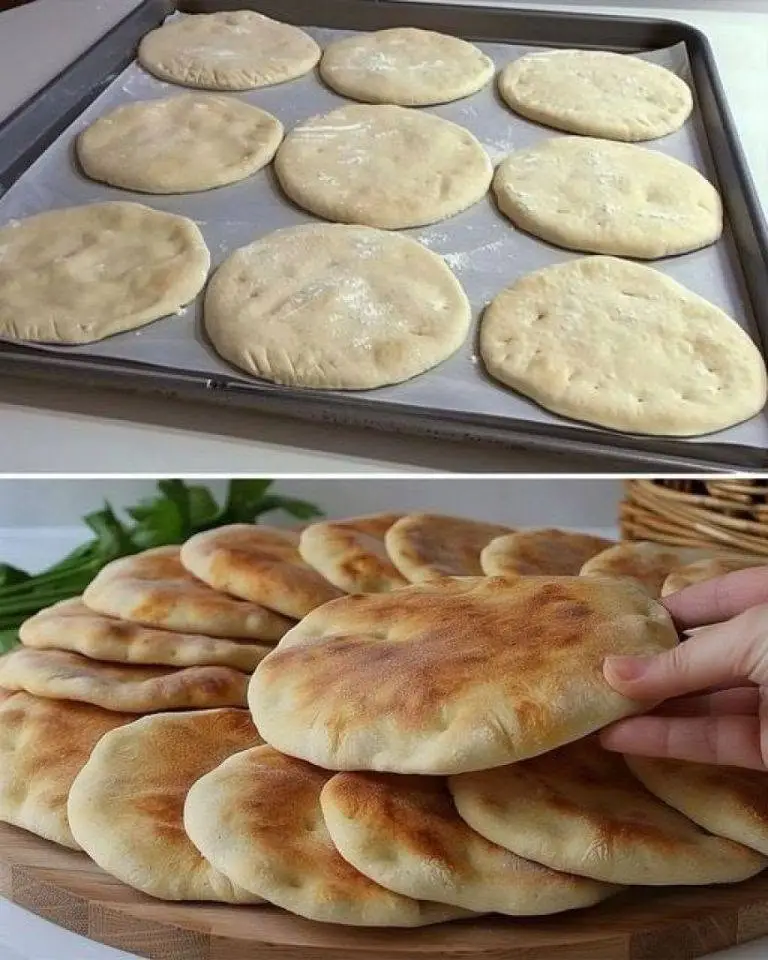
Lightly flour your work surface if needed. Roll each dough ball into a thin, round disc.
Aim for a reasonably even thickness so the flatbreads cook uniformly. If the dough keeps shrinking back while you roll it, let it rest for a few more minutes before continuing.
Step 5: Cook in a Hot, Dry Pan
Heat a heavy frying pan or skillet over medium to medium-high heat. Place one flatbread in the dry pan and cook until small bubbles appear and light brown spots begin to develop.
Turn it over and cook the other side. The exact cooking time will depend on the thickness of the dough and the heat of your pan, so watch the bread rather than relying on a fixed number of minutes.
Some flatbreads may puff up as steam forms inside the dough. This is normal, although not every flatbread will inflate completely.
Transfer each cooked flatbread to a plate and cover it with a clean towel to help retain its warmth and softness.
Tips for Soft, Flexible Flatbread
Use warm water, not boiling water. Warm water is comfortable to handle and helps the flour hydrate evenly. Very hot water can change the dough’s texture, so extreme temperatures are unnecessary.
Avoid adding too much flour. A heavily floured dough can become stiff and difficult to roll. Use only enough extra flour to prevent sticking.
Roll the dough evenly. Thick areas may remain doughy while thinner edges brown too quickly. Consistent thickness gives you a better result.
Adjust the pan temperature. If the bread develops dark spots almost immediately, reduce the heat. If it stays pale and dry for too long, increase the heat slightly.
Keep cooked flatbreads covered. Exposure to air can make them dry and less flexible. A clean kitchen towel helps retain their softness while you finish cooking the batch.
How to Serve Homemade Flatbread
One of the best things about this recipe is its versatility. These flatbreads can accompany many different meals without requiring a separate baking process.
Make Quick Wraps and Sandwiches
Fill a flatbread with grilled chicken, lettuce, tomatoes, and your favorite sauce for an easy lunch. You can also use it for roasted vegetables, cheese, eggs, or leftover cooked meat.
Serve It With Dips
Warm flatbread pairs well with hummus, yogurt-based dips, seasoned olive oil, and other spreads. Tear it into smaller pieces for sharing.
Pair It With Soups and Stews
Use the flatbread to scoop up thick soups, lentil dishes, bean stews, or vegetable sauces. Its mild flavor complements a wide range of savory foods.
Add It to a Barbecue Meal
Serve it alongside grilled vegetables, kebabs, or other barbecue dishes. You can warm the cooked bread briefly in the pan before serving.
Turn It Into a Quick Snack
Brush a cooked flatbread lightly with olive oil and sprinkle it with dried herbs or spices. Warm it briefly in the skillet for a simple savory snack.
Can You Make the Dough Ahead of Time?
Yes, you can prepare the dough in advance, although the best storage method depends on how long you plan to keep it.
For short-term preparation, cover the dough well and refrigerate it. Before rolling, allow it to sit briefly at room temperature if it feels too firm to handle. For longer storage, cooked flatbreads can be cooled and frozen with pieces of baking paper between them to make separation easier.
Reheat cooked flatbreads in a skillet over low to medium heat until warmed through. Avoid overheating them, as this can make them dry or brittle.
For food safety, refrigerate perishable fillings separately and do not leave them at room temperature for extended periods.
Troubleshooting Common Problems
Why is the dough difficult to roll?
It may need more resting time, or it may be too dry. Cover it and let it rest for another 5–10 minutes before trying again.
Why did my flatbread turn out hard?
The pan may have been too hot, the bread may have cooked for too long, or the dough may have been rolled too thinly. Adjust the heat and cooking time, and keep finished flatbreads covered.
Why didn’t the flatbread puff up?
Puffing depends on factors such as dough thickness, heat, and how evenly the bread cooks. A flatbread can still be perfectly usable even if it does not inflate.
Can I add herbs or spices?
Yes. A small amount of dried oregano, cumin, garlic powder, or other seasonings can add flavor. Mix them into the dry flour before adding the liquid.
Frequently Asked Questions
Is this the same as traditional pita bread?
Not exactly. Both can puff during cooking, but traditional pita recipes and this simple oil-based dough can differ in ingredients, preparation, and final texture. This version is best described as an easy skillet flatbread.
Can I cook it without oil in the pan?
Yes. The recipe already contains vegetable oil, so a suitable nonstick or well-seasoned skillet generally allows you to cook the flatbreads without adding more oil.
Can I use whole-wheat flour?
You can replace some or all of the all-purpose flour with whole-wheat flour, but the texture may be denser and the dough may need additional water. If you’re trying it for the first time, replace only part of the flour and adjust the hydration as needed.
How many flatbreads does the recipe make?
The stated quantities are intended to produce eight portions. The final number may vary if you divide the dough into smaller or larger pieces.
A Simple Homemade Bread Alternative
These quick skillet flatbreads are a practical option when you want something warm and homemade without preparing a traditional yeast dough. With a short resting period, a rolling pin, and an ordinary frying pan, you can make a versatile accompaniment for everyday meals.
Serve them fresh and warm, fill them with your favorite ingredients, or keep a batch in the freezer for another day. Once you get comfortable with the basic method, experimenting with different seasonings and fillings is an easy way to make the recipe your own.
Recipe at a Glance
- Preparation time: Approximately 15–20 minutes, including dividing and rolling; actual hands-on time varies.
- Resting time: 30 minutes.
- Cooking time: Varies with the pan, heat, and number of flatbreads.
- Yield: Approximately 8 flatbreads.
- Cooking method: Stovetop skillet.
- Main ingredients: Flour, vegetable oil, warm water, and salt.
- Yeast: Not required.
- Oven: Not required.