How to Wash Yellowed Pillows: 3 Practical Care Tips
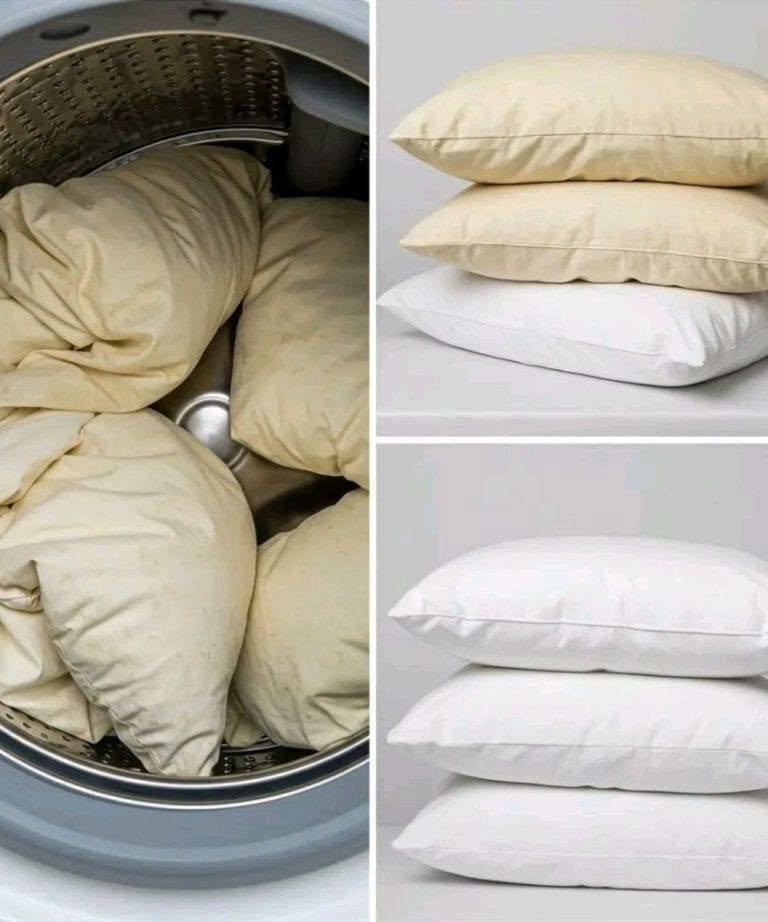
Knowing how to wash yellowed pillows starts with checking what is inside them. A washable polyester pillow and a solid memory foam pillow need different care, even when their outer covers look similar.
Sweat, body oils, drool, and hair products can gradually leave yellow marks on bedding. Cleaning may improve those stains, but it cannot guarantee that an older pillow will become completely white again. The aim is a clean, fully dry pillow that still feels comfortable and supportive. Sleep Foundation
Before You Start: Read the Care Label
Remove the pillowcase and any removable protector. Check the pillow’s label for washing, drying, and bleaching instructions, then inspect the seams for damage.
Many synthetic, down, and feather pillows can be machine-washed, but the label must confirm this. Solid memory foam pillows generally need spot-cleaning instead of a machine wash or soaking. Whirlpool
Gather a mild laundry detergent, clean white cloths, and access to the drying method recommended for your pillow. If the label is missing, look for the manufacturer’s instructions before getting the filling wet.
1. Treat Visible Marks Gently
For a pillow that allows spot-cleaning, start with the stained area instead of soaking the whole pillow.
Dampen a clean cloth with water and a little mild detergent. Gently blot the mark without scrubbing aggressively or saturating the filling. Use another cloth dampened with plain water to remove the soap, then let the area dry completely.
This is particularly useful for a small surface stain. For memory foam, keep moisture to a minimum and follow the manufacturer’s cleaning instructions. Coles
Common mistake: Repeatedly soaking a stubborn mark. If the discoloration remains, adding more water may leave you with a wet interior without improving the stain.
2. Wash Suitable Pillows Without Overloading the Machine
If machine washing is permitted, follow these steps:
- Remove covers and wash them according to their own labels.
- Place two pillows in the washer to balance the load, provided they fit comfortably and your machine allows it.
- Add a small amount of suitable detergent. More soap can mean more residue.
- Select a gentle cycle and the water temperature specified on the care label.
- Use an extra rinse if needed to remove remaining detergent.
Avoid squeezing large pillows into a small drum. They need enough room for water to circulate and rinse away the detergent. Whirlpool recommends a balanced load, gentle washing, and limited detergent when laundering suitable pillows. Whirlpool
Common mistake: Assuming hotter water will always produce better results. The pillow’s fabric and filling determine which temperature is appropriate.
3. Finish With Thorough Drying
Drying is part of the cleaning process. A pillow can feel dry on the outside while moisture remains in the filling.
Use the drying method and temperature on the care label. If tumble drying is permitted, suitable dryer balls can help fluff the filling. Pause periodically to redistribute clumps and check the center before putting the pillow back on the bed.
For pillows that require air-drying, allow plenty of airflow and wait until the entire pillow is dry. Do not cover or store a damp pillow. Whirlpool
Common mistake: Putting a freshly washed pillow straight into a pillowcase because the surface feels dry. Check the thicker areas too.
Simple Habits That Help Reduce Future Stains
Use a washable pillow protector beneath your pillowcase to add another removable layer between your pillow and everyday moisture.
Wash pillowcases and protectors regularly according to their labels. Let wet hair dry before bed, and allow skincare products to absorb before resting your face on the pillow.
These habits can reduce direct contact with moisture and product residue, though some discoloration may still develop over time.
When Cleaning Is No Longer Enough
A faded yellow mark alone does not tell you whether a pillow still provides good support. Check its condition as well as its appearance.
If the filling stays lumpy or flattened and the pillow no longer feels supportive, washing will not restore its original structure. Persistent odors after proper cleaning and complete drying are another reason to consider replacing it. Sleep Foundation
Start with the care label, clean gently, and leave enough time for thorough drying. Those steps matter more than achieving a perfectly white finish.