How to Make Fluffy Rice: 7 Tips to Prevent Sticky Rice
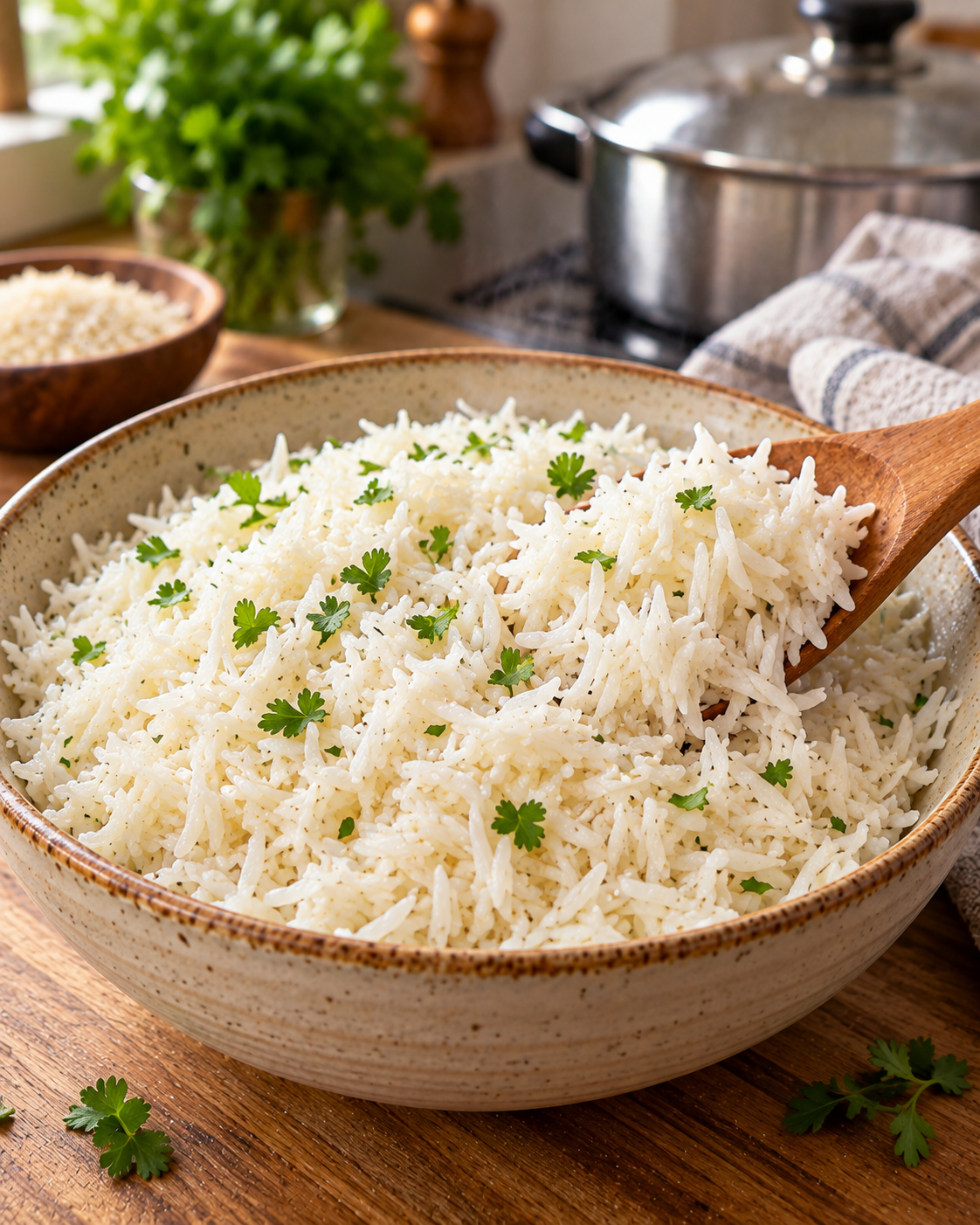
Learning how to make fluffy rice can transform an everyday side dish into something much more enjoyable. Whether you’re preparing basmati rice for dinner, jasmine rice for a stir-fry, or long-grain white rice for a family meal, the goal is often the same: tender grains that are light and separate rather than wet, gummy, or clumped together.
Unfortunately, rice doesn’t always turn out the way you expect. Sometimes it sticks to the bottom of the pot, becomes excessively soft, or develops an unpleasantly sticky texture.
The good news is that a few simple cooking techniques can make a noticeable difference.
From choosing the right variety to measuring water correctly and allowing the rice to rest, these seven practical tips will help you achieve a lighter, more consistent result.
Why Does Rice Become Sticky or Mushy?
Rice contains starch, mainly amylose and amylopectin.
When rice is cooked, its starch absorbs water and changes texture. The balance of these starches varies between rice varieties, which helps explain why some grains naturally remain more separate while others become sticky.
Excess cooking water, loose surface starch, too much stirring, and prolonged cooking can also contribute to an overly soft result.
However, sticky rice isn’t always a cooking mistake.
Some short-grain varieties are naturally designed to cling together, making them suitable for sushi and other dishes.
If you want separate, fluffy grains, choosing the appropriate type of rice is the first step.
7 Practical Tips for Fluffy Rice
1. Choose the Right Rice Variety
Not every rice variety produces the same texture.
If your goal is fluffy, separate grains, long-grain rice is often a practical choice.
Basmati Rice
Basmati rice has long, slender grains and is commonly used in dishes where separation is desirable.
When cooked correctly, its grains can remain relatively distinct.
Jasmine Rice
Jasmine rice is fragrant and slightly more cohesive than many basmati varieties.
It can still be soft and fluffy, but you shouldn’t expect exactly the same separation as basmati.
Long-Grain White Rice
Standard long-grain white rice is another versatile choice for everyday meals.
It can produce a pleasant, fluffy texture when the correct cooking instructions are followed.
Short-Grain Rice
Short-grain varieties generally have a different starch composition and tend to cling together more.
They are excellent for certain dishes, but may not be the best choice when you want clearly separated grains.
Practical tip: Select the rice variety according to the texture you want rather than expecting every variety to behave the same way.
2. Rinse Rice When Appropriate
Rinsing can help remove loose surface starch from certain rice varieties.
That loose starch may contribute to a gummy appearance during cooking.
For many basmati and jasmine preparations, rinsing is a useful step.
How to Rinse Rice Gently
Place the rice in a fine-mesh strainer or a clean bowl.
Add cool water and gently move the grains.
Drain and repeat as needed, following the rice manufacturer’s recommendations.
Avoid rubbing the grains aggressively, which can break them.
When You Shouldn’t Automatically Rinse
Some packaged white rice is enriched with vitamins and minerals.
According to USA Rice, rinsing enriched rice can remove some of these added nutrients.
For that reason, rinsing is not a universal requirement.
Some specialty preparations also rely on rice starch for their intended texture.
Practical tip: Check the package instructions before deciding whether to rinse.
3. Measure the Water According to the Rice Type
Using the wrong amount of water is one of the most common reasons rice becomes too wet or too firm.
However, there is no single water-to-rice ratio that works perfectly for every variety and cooking method.
The required amount depends on several factors:
- Rice variety.
- Whether the rice has been rinsed or soaked.
- The cooking method.
- The size and shape of the saucepan.
- How tightly the lid fits.
- The manufacturer’s instructions.
Why Exact Measurement Matters
Too much water can leave rice overly soft or wet.
Too little water may produce undercooked grains or cause the bottom to scorch.
Use the Same Measuring Cup
When measuring rice and water by volume, use the same cup for both.
This makes the proportions easier to reproduce.
Follow the Package First
Rice brands may recommend different ratios because their products and preparation methods vary.
For example, USA Rice provides a general stovetop guideline of two parts liquid to one part rice for certain American-grown long-grain white rice products.
Other basmati and jasmine methods may use less water.
Those different recommendations should not be treated as interchangeable.
Practical tip: Begin with the directions for your specific rice, then make small adjustments on future attempts if necessary.
4. Cook Rice at a Gentle Simmer
High heat is useful for bringing water to a boil, but prolonged vigorous boiling is usually unnecessary when using the covered absorption method.
Once the water begins boiling, reduce the heat according to your rice instructions.
A gentle simmer allows the rice to absorb moisture more gradually.
Why Excessive Heat Can Cause Problems
If the heat is too high, the water may evaporate too quickly.
The bottom of the rice can scorch before the grains above are fully cooked.
Vigorous boiling may also disturb the grains unnecessarily.
What to Do Instead
Use a suitable heavy-bottomed saucepan.
Bring the rice and water to the appropriate starting temperature.
Reduce the heat to a low simmer and cover with a well-fitting lid.
Maintain steady, gentle heat for the recommended cooking time.
Practical tip: If rice regularly burns on the bottom, check your burner temperature and saucepan before changing the water ratio.
5. Avoid Excessive Stirring
Stirring is helpful for certain rice dishes, such as risotto, where a creamy texture is desirable.
However, it is generally less useful when preparing fluffy rice with distinct grains.
Frequent stirring can damage the rice and release more starch into the surrounding liquid.
This may encourage clumping or an overly creamy texture.
When Is Stirring Necessary?
Some stovetop instructions recommend a gentle stir near the beginning of cooking.
After that, the rice is generally left to simmer undisturbed.
Follow the instructions for your chosen method.
Avoid Scraping the Rice Repeatedly
If the rice begins sticking, repeatedly scraping the bottom may break the grains and distribute scorched pieces through the pot.
Adjust the heat instead.
Practical tip: For the covered absorption method, stir only when the cooking directions require it.
6. Keep the Lid On During Cooking
Steam plays an important role in many covered rice-cooking methods.
A well-fitting lid helps maintain a consistent cooking environment.
When you repeatedly remove the lid, steam escapes and the cooking conditions change.
This can affect how evenly the rice cooks.
Why a Tight-Fitting Lid Helps
A lid limits unnecessary evaporation and helps retain heat.
This is especially useful when cooking rice over low heat.
What If the Lid Doesn’t Fit Properly?
Consider using a different saucepan with a better-fitting lid.
A heavy-bottomed pot with a secure lid generally offers better control than a thin pan with a loose cover.
Should You Open the Lid to Check the Rice?
Avoid opening it repeatedly.
Check near the end of the recommended cooking period if necessary, while being careful of hot steam.
Practical tip: Choose a pot with a well-fitting lid before cooking rather than trying to compensate for escaping steam with extra water.
7. Let the Rice Rest Before Fluffing
This is one of the easiest ways to improve the texture of freshly cooked rice.
When the rice finishes cooking, remove the saucepan from the heat.
Leave it covered for approximately 5–10 minutes, unless the product instructions specify otherwise.
This resting period allows remaining moisture and steam to redistribute through the grains.
Why Resting Makes a Difference
Rice that is disturbed immediately after cooking may have uneven moisture.
Allowing it to rest can help create a more consistent texture.
Fluff Gently with a Fork
After resting, remove the lid carefully.
Use a fork or suitable rice paddle to lift and separate the grains.
Work gently rather than pressing the rice together.
Avoid aggressive mixing.
Practical tip: If the rice is already cooked, resting and gentle fluffing may improve the texture more effectively than adding extra butter or stirring repeatedly.
Why These Rice Cooking Tips Work
Several basic food-science principles explain why these techniques are effective.
Starch Affects the Texture
Different rice varieties contain different proportions of starch components.
These differences influence how the grains absorb water and how they behave when cooked.
Surface Starch Can Increase Clumping
Loose starch on the outside of some rice grains may contribute to a gummy texture.
Appropriate rinsing can reduce that surface starch, although rinsing isn’t necessary or recommended for every product.
Water Controls Softness
Rice needs enough water to become tender.
Excess liquid can make it overly soft, while insufficient water may leave it undercooked.
Steam Supports Even Cooking
A covered saucepan helps maintain the moist environment required for the absorption method.
Resting Helps Moisture Redistribute
Allowing cooked rice to stand briefly before serving can improve the consistency of the finished grains.
Common Rice Cooking Mistakes to Avoid
Mistake 1: Using the Same Water Ratio for Every Variety
Different rice types require different cooking conditions.
Better approach: Follow the package instructions and measure consistently.
Mistake 2: Using Excessively High Heat
High heat can cause water to evaporate too quickly and scorch the bottom.
Better approach: Reduce to a gentle simmer when using a covered absorption method.
Mistake 3: Stirring Constantly
Repeated stirring can damage the grains and contribute to a sticky texture.
Better approach: Leave the rice mostly undisturbed during cooking.
Mistake 4: Opening the Lid Repeatedly
Frequent lifting releases steam.
Better approach: Keep the lid in place for the recommended cooking period.
Mistake 5: Skipping the Resting Time
Serving rice immediately after cooking can leave the grains less evenly hydrated.
Better approach: Allow a short covered rest before fluffing.
Mistake 6: Using the Wrong Rice for the Desired Dish
Short-grain rice will not behave exactly like basmati.
Better approach: Choose your rice according to whether you want fluffy, separate grains or a naturally cohesive texture.
Mistake 7: Leaving Cooked Rice at Room Temperature
Improper storage can create a food-safety risk.
Better approach: Serve cooked rice promptly, or cool and refrigerate it quickly.
Practical Examples for Different Rice Types
For Basmati Rice
When you want separate grains for a savory meal, basmati is a useful choice.
Check whether the brand recommends rinsing or soaking.
Measure the water according to the package, cook gently, and allow the grains to rest before fluffing.
For Jasmine Rice
Jasmine rice is naturally fragrant and can be slightly more cohesive.
Avoid excessive stirring and follow the manufacturer’s cooking instructions.
Do not assume it requires exactly the same amount of water as basmati.
For Long-Grain White Rice
Standard long-grain white rice is versatile for everyday cooking.
If it is enriched, check the package before rinsing because washing may remove added nutrients.
Use an appropriate saucepan and keep the cooking temperature controlled.
For Brown Rice
Brown rice retains its bran layer and generally needs more cooking time than white rice.
It also has a firmer, chewier texture.
Follow brown-rice-specific directions rather than using white-rice cooking times.
How to Fix Common Rice Texture Problems
What If the Rice Is Too Wet?
If the grains are already tender but a small amount of water remains, allow the excess moisture to evaporate gently, following a suitable method for your rice.
Avoid vigorously stirring the rice.
If the grains have become severely overcooked and mushy, their original fluffy texture cannot be fully restored.
What If the Rice Is Too Firm?
The rice may need a little additional water and more cooking time.
If the saucepan is dry and the grains remain firm, add a small amount of hot water, cover, and continue cooking gently.
Check frequently enough to avoid scorching.
What If the Rice Sticks to the Bottom?
If the lower layer is lightly stuck but not burnt, remove the saucepan from the heat and allow the rice to rest.
Serve the upper grains gently without scraping the base.
If the bottom is scorched, avoid mixing burnt rice into the rest of the pot.
For future batches, reduce the heat or use a heavier saucepan.
What If the Rice Is Clumpy?
Allow the rice to rest and gently lift the grains with a fork.
Avoid pressing or stirring forcefully.
Remember that some rice varieties naturally cling together.
How to Store Cooked Rice Safely
Cooked rice requires careful handling, even when it looks and smells normal.
Uncooked rice may contain spores of Bacillus cereus, a bacterium associated with foodborne illness.
These spores can survive cooking.
If cooked rice is left at unsafe temperatures for too long, bacteria may grow and produce toxins.
Cool Rice Quickly
If you are not serving the rice immediately, divide large quantities into smaller portions.
Transfer the rice to shallow containers so it cools more quickly.
The UK Food Standards Agency recommends cooling cooked rice as quickly as possible, ideally within one hour, and then refrigerating it.
Refrigerate Promptly
Keep cooked rice in a refrigerator at an appropriate food-safe temperature.
For a conservative approach, follow the UK Food Standards Agency’s recommendation to use refrigerated cooked rice within 24 hours.
Other authorities may provide different storage limits, but rapid cooling and continuous refrigeration are essential.
Reheat Rice Carefully
Reheat refrigerated rice until steaming hot throughout.
The UK Food Standards Agency recommends reheating rice no more than once.
Do not assume reheating can make rice safe if it was previously left at room temperature for an excessive period.
Freeze Rice for Longer Storage
Cooked rice can be frozen after rapid, safe cooling.
Divide it into manageable portions and use freezer-safe containers.
Thaw safely and reheat thoroughly before eating.
For additional food-handling advice, read our 4 Simple Steps to Food Safety.
Frequently Asked Questions
How Do You Make Rice Fluffy Instead of Sticky?
Choose a suitable rice variety, follow the correct water ratio, avoid excessive stirring, cook gently, and allow the rice to rest before fluffing.
Should You Always Wash Rice Before Cooking?
No. Rinsing is useful for some varieties and cooking methods, but it can remove added nutrients from enriched rice.
Follow the package instructions.
Is Basmati Rice Better for Fluffy Results?
Basmati is a useful option when you want long, relatively separate grains.
The result still depends on the cooking method.
Why Does My Rice Become Mushy?
Common causes include excess water, prolonged cooking, and inappropriate techniques for the rice variety.
Does Adding Oil Stop Rice from Sticking?
Oil or butter may affect flavor and surface texture, but neither replaces proper water measurement and controlled cooking.
Why Should Rice Rest After Cooking?
A brief covered rest allows moisture to redistribute before the grains are separated with a fork.
Can You Fix Overcooked Rice?
You may be able to improve slightly wet rice, but severely overcooked, mushy grains cannot be fully returned to their original texture.
Can I Leave Cooked Rice on the Counter Overnight?
No. Cooked rice should not be left at room temperature overnight.
Cool it quickly and refrigerate or freeze it according to food-safety guidance.
Can I Reheat Cooked Rice?
Yes, if it was cooled and stored safely.
Reheat until steaming hot throughout, following the relevant food-safety guidance.
Final Thoughts
Understanding how to make fluffy rice is less about finding one secret ingredient and more about controlling a few important cooking details.
The type of rice you choose, the amount of water, the cooking temperature, and the resting time all influence the finished texture.
For separate, tender grains, start with a suitable long-grain variety, follow the package instructions, avoid unnecessary stirring, and let the rice rest before gently fluffing it.
And remember that cooked rice should be cooled and stored promptly if you plan to eat it later.
With these simple techniques, you can make rice more consistently while avoiding many of the mistakes that lead to sticky, mushy, or unevenly cooked grains.