
Crispy Potato and Cheese Sticks: A Savory Snack Worth Making from Scratch
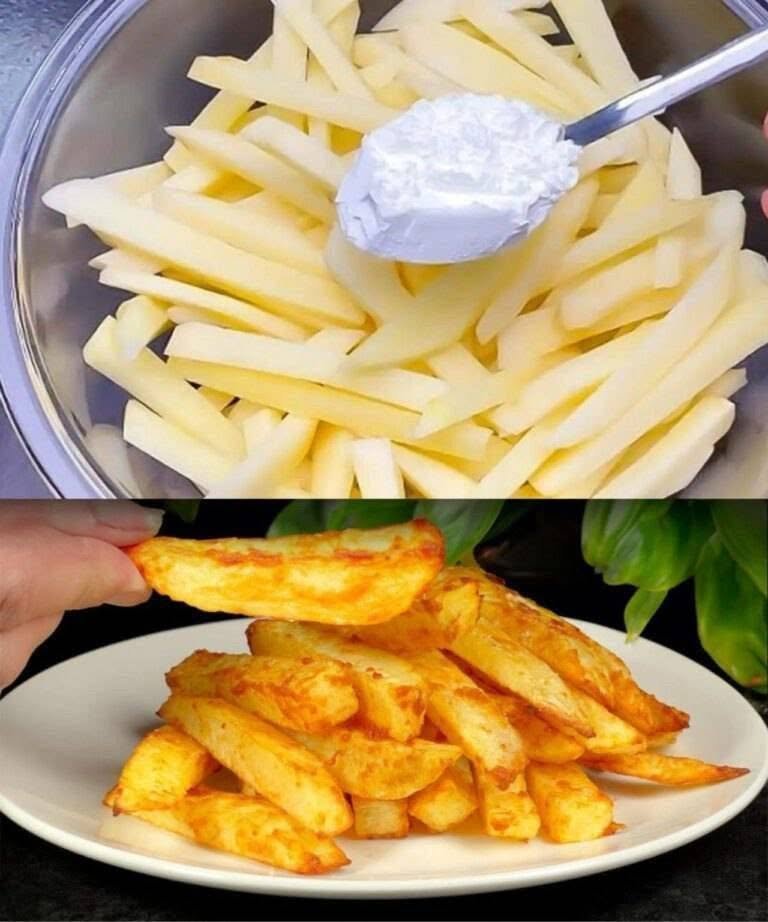
A few potatoes, a handful of grated cheese, and a hot pan can become something especially satisfying: golden potato sticks with crisp edges and a soft, cheesy center. Serve them with a tangy dip, and they make a welcoming appetizer or a tasty addition to a casual meal.
The key is managing moisture. Well-drained potatoes make a dough that is easier to shape without adding so much flour that the finished sticks become heavy.
Ingredients
Use the following quantities as a starting point. The amount of flour needed can vary with the potatoes and cheese.
- 500 g floury potatoes
- 200 g grated cheddar or firm, low-moisture mozzarella
- 100 g plain wheat flour, plus a little extra for shaping
- 1 egg
- Up to 1 teaspoon salt, adjusted for the saltiness of the cheese
- ½ teaspoon ground black pepper
- ½ teaspoon sweet or smoked paprika
- Vegetable oil suitable for frying
Cheddar brings a stronger cheese flavor, while low-moisture mozzarella gives a milder result. Fresh mozzarella contains more moisture, so it may change the consistency of the dough.
The number of sticks will depend on their size; shape them evenly so each batch cooks at a similar pace.
Start with Dry, Fluffy Potatoes
Peel the potatoes and cut them into evenly sized chunks. Place them in a saucepan, cover with water, and bring to a boil. Cook until a fork passes through easily, approximately 15–20 minutes depending on the size of the pieces.
Drain thoroughly, then let the potatoes stand in the warm saucepan, off the heat and uncovered, so excess steam can escape.
Mash until smooth and allow them to cool until just warm before adding the egg and cheese. The mash should look fluffy rather than wet.
Mix a Soft Dough
Add the cheese, egg, flour, salt, pepper, and paprika to the mashed potatoes. Mix gently until combined.
Aim for a soft dough that holds its shape. It does not need to become elastic like bread dough, and a little tackiness is manageable.
If the mixture feels too soft to handle, try chilling it briefly before adding more flour. If it still spreads or sticks heavily, work in extra flour a tablespoon at a time. Stop as soon as you can shape it comfortably.
Shape Evenly and Test One First
Lightly flour your hands and work surface. Divide the dough into small portions and roll them into sticks roughly 8–10 cm long and about 1 cm thick.
Keep the thickness consistent and avoid very thin ends, which can brown before the middle is ready.
Before frying a full batch, cook one test stick. This gives you a chance to check whether the dough holds together and whether the outside browns too quickly.
Fry Until Golden
Heat oil in a deep, heavy pan to approximately 170–180°C, checking with a kitchen thermometer if available. Leave plenty of space above the oil to accommodate bubbling.
Carefully lower a few sticks into the oil at a time. Give them room so they do not stick together and the oil temperature can recover between batches.
Cook, turning as needed, until golden all over and cooked through. Timing will vary with their thickness and the temperature of the dough, so check the first stick before cooking the rest.
Lift out with a slotted spoon and drain briefly on kitchen paper or a wire rack. Serve while hot for the best contrast between the crisp surface and soft center.
Choose a Dip with Some Tang
A bright, tangy sauce balances the richness of the potatoes and cheese. Try one of these simple combinations:
- Lemon and garlic yogurt: Plain yogurt mixed with crushed garlic, lemon juice, and chopped parsley.
- Mustard mayonnaise: Mayonnaise stirred with a little mustard and lemon juice.
- Dill and pickle dip: Thick yogurt with finely chopped pickles, dill, and a spoonful of pickle brine.
Serve the dip alongside the sticks to help preserve their crisp surface.
Troubleshooting the Texture
The dough is difficult to shape
Excess moisture is often the problem. Let the mash cool, chill the mixed dough briefly, and then add a small amount of flour only if needed.
The sticks break apart in the pan
Check that the oil is hot enough and avoid moving the sticks immediately after adding them. If the test stick still falls apart, adjust the dough with a little more flour before continuing.
The outside darkens too quickly
Lower the heat slightly and check that the sticks are not too thick. A golden surface should develop gradually enough for the center to cook through.
The finished sticks feel dense
Too much flour or vigorous mixing can make the texture heavier. In the next batch, focus on drying the potatoes thoroughly and mixing only until combined.
Easy Flavor Variations
Keep the basic mixture simple, then choose one addition:
- Chopped chives for a gentle onion flavor.
- Smoked paprika for a smoky note.
- A small pinch of chili flakes for heat.
- A little finely grated hard cheese substituted for part of the cheddar for a stronger savory flavor.
Avoid adding several wet ingredients at once, since they can make the dough harder to handle.
These potato and cheese sticks are best served fresh, with a dip ready and everyone close enough to enjoy them while they are still crisp.