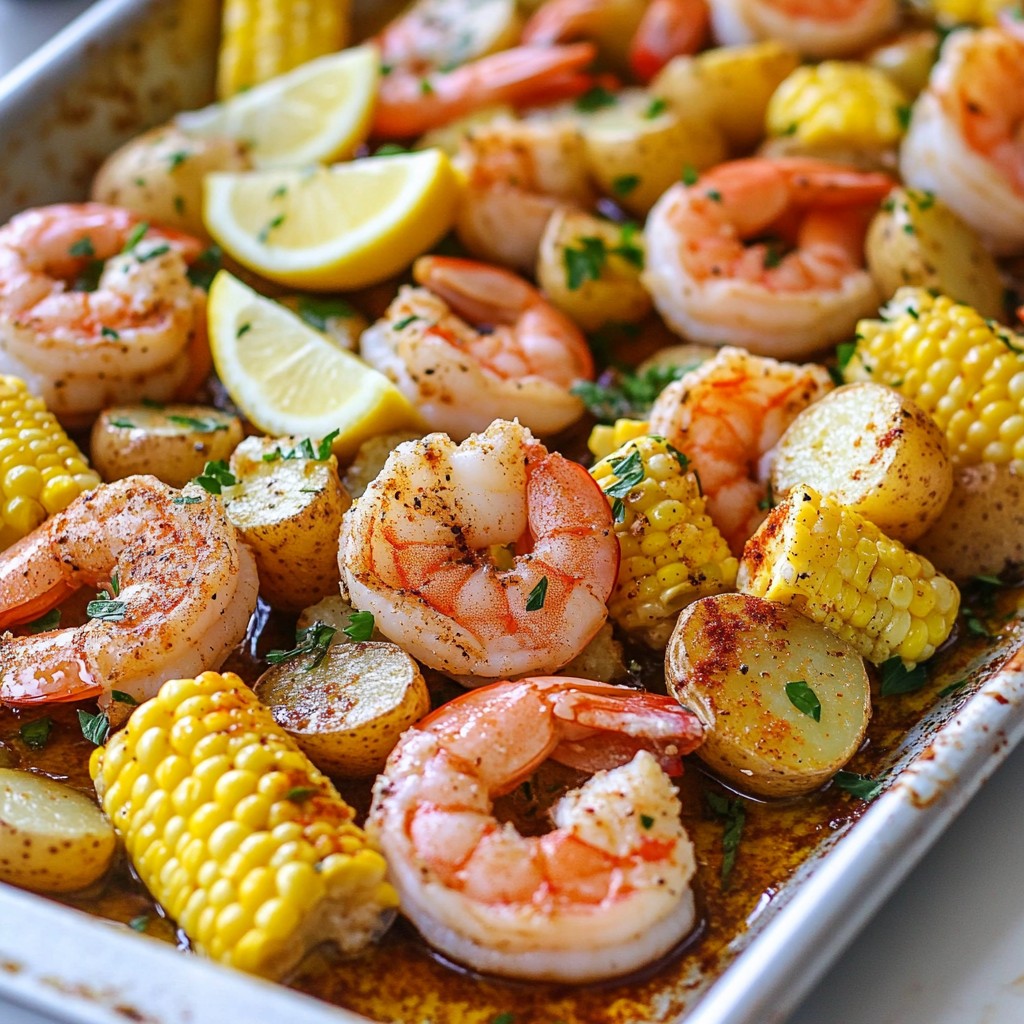
Ready for a meal that’s both easy and bursting with flavor? My Sheet-Pan Shrimp Boil combines fresh shrimp, tasty veggies, and zesty seasonings, all cooked together for a delightful dinner. You won't need fancy skills or tools—just a sheet pan and your oven! I'm excited to share this simple recipe with you, so let’s dive in and make your next dinner a hit.
Why I Love This Recipe
- Easy Cleanup: By lining the sheet pan with aluminum foil, you make post-meal cleanup a breeze, allowing you to enjoy more time with family and friends.
- Flavorful Combination: The blend of Old Bay seasoning and smoked paprika gives this dish a deliciously unique taste that perfectly complements the shrimp and vegetables.
- Visual Appeal: The colorful mix of shrimp, corn, and vibrant vegetables creates a stunning presentation that looks as good as it tastes.
- Quick Cooking Time: With a total prep and cook time of just 40 minutes, this recipe is perfect for a weeknight dinner without sacrificing flavor.
Ingredients
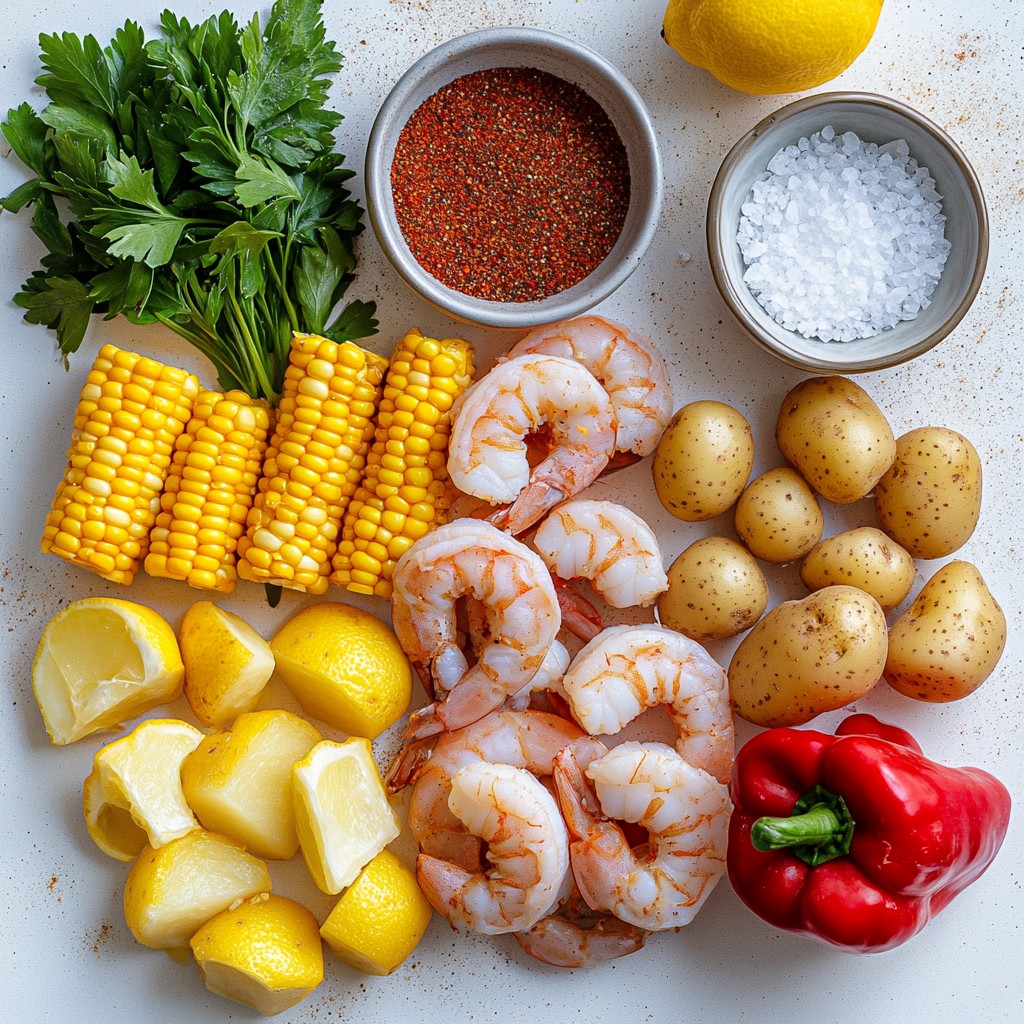
List of Ingredients for Sheet-Pan Shrimp Boil
- 1 pound large shrimp, peeled and deveined
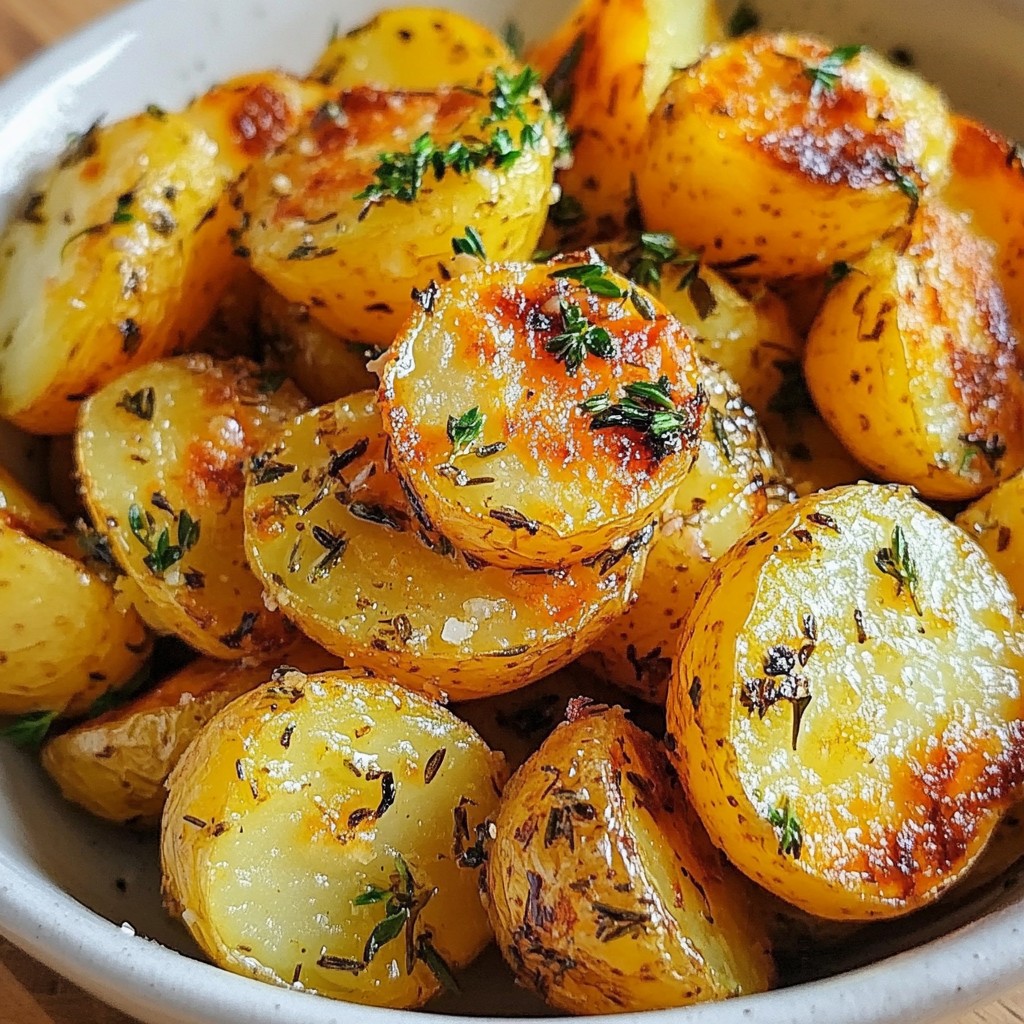
- 1 pound baby potatoes, halved
- 2 ears of corn, cut into thirds
- 1 red bell pepper, diced
- 1 small onion, finely chopped
- 4 cloves garlic, minced
- 4 tablespoons extra virgin olive oil
- 1 tablespoon Old Bay seasoning
- 1 teaspoon smoked paprika
- Salt and freshly ground black pepper, to taste
- Fresh parsley, chopped, for garnish
- Lemon wedges, for serving
Tips for Selecting Fresh Shrimp
When choosing shrimp, look for a few key signs. Fresh shrimp should smell like the ocean, not fishy. Their shells should be shiny and firm. If you can, buy shrimp that are still in their shells; they often taste better. Check for a nice pink color. Avoid any shrimp that have black spots or look dull. If you can, ask your fishmonger about the source. Wild-caught shrimp often have better flavor than farmed shrimp.
Suggested Alternatives for Vegetables
Feel free to mix it up with your veggies! Instead of corn, you can use green beans or asparagus. Zucchini or squash also works well. You could even add carrots or broccoli for a colorful touch. If you want more heat, toss in some diced jalapeños. Get creative with what you love or what's in season!
Step-by-Step Instructions
Preparation of the Oven and Sheet Pan
Start by preheating your oven to 400°F (200°C). This step is key for cooking everything evenly. Next, grab a large sheet pan and line it with aluminum foil. This will help with easy cleanup later.
Mixing and Seasoning the Vegetables
In a large mixing bowl, add your halved baby potatoes, diced red bell pepper, finely chopped onion, and minced garlic. Pour in 4 tablespoons of extra virgin olive oil. Then, sprinkle 1 tablespoon of Old Bay seasoning, 1 teaspoon of smoked paprika, salt, and freshly ground black pepper. Mix everything well until all the veggies get coated in oil and seasoning.
Cooking Times and Temperature Guidelines
Spread the seasoned veggies on one side of the prepared sheet pan. Bake in the oven for 20 minutes. After that time, take the pan out and add corn pieces and shrimp. Toss everything together gently. Make sure it spreads out in a single layer. Return the pan to the oven and bake for another 10 to 12 minutes. You want the shrimp to turn pink and opaque, and the potatoes should be tender when pierced with a fork. Once done, let it cool slightly. Enjoy the vibrant colors and great smells!
Tips & Tricks
How to Achieve Perfectly Cooked Shrimp
To cook shrimp just right, timing is key. Shrimp cook quickly, so watch them closely. They are done when they turn pink and opaque. Overcooking makes shrimp rubbery, and no one likes that.
1. Preheat your oven to 400°F (200°C) before you start.
2. Bake potatoes and veggies for 20 minutes first.
3. Add shrimp and corn, then bake for another 10 to 12 minutes.
4. As soon as the shrimp change color, take them out.
This method gives you tender, juicy shrimp every time.
Best Practices for Cleaning and Peeling Shrimp
Cleaning shrimp may seem tricky, but it’s simple. Start by rinsing them under cold water. This removes any dirt or grit.
1. Hold the shrimp firmly and remove the shell from the back.
2. Pull off the legs and shell together.
3. Use a small knife to make a shallow cut along the back.
4. Remove the dark vein you see.
This process leaves you with clean shrimp ready for cooking.
Enhancing Flavor: Seasoning Customizations
Customizing flavors can change your dish completely. I love to mix different spices for a unique taste.
- Instead of Old Bay, try Cajun seasoning for a kick.
- Add lemon zest for brightness.
- Use fresh herbs like thyme or dill for extra freshness.
Feel free to experiment! Adjust the spices to suit your taste. You can make this dish your own.
Pro Tips
- Use Fresh Ingredients: Whenever possible, opt for fresh shrimp and seasonal vegetables to enhance the flavor and texture of your dish.
- Don’t Overcrowd the Pan: Ensure that your shrimp and vegetables have enough space on the sheet pan to cook evenly and get that crispy texture.
- Adjust the Spice Level: If you prefer a bit more heat, consider adding cayenne pepper or red pepper flakes to your seasoning mix.
- Let it Rest: Allow the shrimp boil to rest for a few minutes after cooking. This helps the flavors meld and makes serving easier.
Variations
Different Protein Options for a Sheet-Pan Boil
You can switch out shrimp for other proteins. Chicken thighs work well. Cut them into pieces and add them to the pan. You can also use sausage. Slice it into rounds for a hearty taste. Fish like cod or haddock can be a lighter option too. Just make sure to adjust cooking times. Fish cooks faster than shrimp, so keep an eye on it.
Vegetarian Alternatives to Replace Shrimp
If you want a vegetarian version, try using tofu or tempeh. Cut them into cubes and marinate them in olive oil and spices. You can also add chickpeas for protein. They soak up flavors well. Another great option is using mushrooms. Portobello or cremini mushrooms give a nice texture. Add them with your veggies for a full meal.
Flavor Variations with Different Spices
Changing spices can transform this dish. Instead of Old Bay, try Cajun seasoning for a kick. Italian herbs like oregano or basil can give a fresh taste. You can also use a bit of curry powder for a unique spin. If you like heat, add red pepper flakes. Experiment with spices to find your favorite flavor combination!
Storage Information
Best Practices for Storing Leftover Shrimp Boil
To keep your leftover shrimp boil fresh, let it cool first. Place it in an airtight container. This helps seal in the flavors and moisture. You can also use plastic wrap if you don’t have a container handy. Always store it in the fridge if you plan to eat it within a few days.
How to Reheat Leftover Sheet-Pan Shrimp Boil
Reheating your shrimp boil is simple. Preheat your oven to 350°F (175°C). Spread the leftovers on a baking sheet. Cover it with aluminum foil to keep moisture in. Heat for about 10 to 15 minutes. You can also use the microwave. Just cover it and heat in short bursts. Stir in between to ensure even heating.
Duration for Refrigeration and Freezing
You can keep leftover shrimp boil in the fridge for up to 3 days. If you want to store it longer, freeze it. It can last in the freezer for up to 3 months. For best results, use freezer-safe containers. Always label them with the date, so you know how long they’ve been stored.
FAQs
How long does it take to cook shrimp on a sheet pan?
It takes about 10 to 12 minutes to cook shrimp on a sheet pan. First, bake your vegetables for 20 minutes. Then, add the shrimp and cook until they turn pink. Always check that the shrimp are opaque to ensure they are done.
Can I make this recipe with frozen shrimp?
Yes, you can use frozen shrimp. Just make sure to thaw them first. Place the shrimp in a bowl of cold water for about 15 to 20 minutes. Once thawed, peel and devein them if needed. This will help them cook evenly on the sheet pan.
What is Old Bay seasoning, and can I substitute it?
Old Bay seasoning is a blend of spices used mainly for seafood. It has a mix of celery salt, paprika, and other flavors. If you can’t find it, use a mix of paprika, salt, and a pinch of cayenne pepper. This will give you a similar flavor profile.
Is it necessary to peel shrimp before cooking?
Yes, it is best to peel the shrimp before cooking. This makes it easier to eat and allows the seasoning to soak in better. However, you can leave the shells on if you prefer a more rustic dish. Just be aware that they may take a bit longer to cook.
This article covered everything you need for a perfect sheet-pan shrimp boil. We discussed essential ingredients, tips on finding fresh shrimp, and how to pick the right vegetables. I shared step-by-step instructions and helpful tips for cooking shrimp just right. You also learned about tasty variations and how to store leftovers.
Remember, cooking should be fun and easy. So get creative with flavors, and enjoy every bite. I hope you find success with your next shrimp boil!