Looking to spice up your snack routine? This Roasted Red Pepper Hummus recipe is both tasty and simple! I’ll guide you through easy steps to whip up a smooth, flavorful hummus that’s perfect for parties or a cozy night in. Packed with nutrients, it’s a crowd-pleaser and can fit various diets. Ready to transform your snack game? Let’s dive into this delicious recipe!
Why I Love This Recipe
- Flavorful Combination: The blend of roasted red peppers and tahini creates a rich and smoky flavor that elevates the traditional hummus experience.
- Quick and Easy: This recipe can be prepared in just 10 minutes, making it a perfect option for last-minute gatherings or snack cravings.
- Healthy Snack Option: With chickpeas as the base, this hummus is packed with protein and fiber, making it a nutritious choice for any time of the day.
- Versatile Dip: Whether served with fresh veggies, pita bread, or as a spread on sandwiches, this hummus fits seamlessly into various meal occasions.
Ingredients
List of Ingredients
- 1 can (15 oz) chickpeas, drained and rinsed
- 2 large roasted red peppers (either jarred or homemade)
- 3 tablespoons tahini
- 2 tablespoons freshly squeezed lemon juice
- 2 cloves garlic, finely minced
- 3 tablespoons extra virgin olive oil
- 1 teaspoon ground cumin
- Sea salt and black pepper to taste
- Paprika, for a vibrant garnish
- Fresh parsley, finely chopped, for garnish
Nutritional Information
This roasted red pepper hummus offers a healthy snack option. Each serving is packed with protein and fiber from the chickpeas. The tahini adds healthy fats, while the peppers bring vitamins. A serving has about 100 calories, 4 grams of protein, and 5 grams of healthy fats.
Possible Substitutions
You can swap out ingredients based on your taste. Use lemon zest if you lack lemon juice. Almond butter can replace tahini for a nutty twist. For a spicy kick, add roasted jalapeños instead of red peppers. If you prefer a milder flavor, skip the garlic or reduce its amount.
Step-by-Step Instructions
Preparation Overview
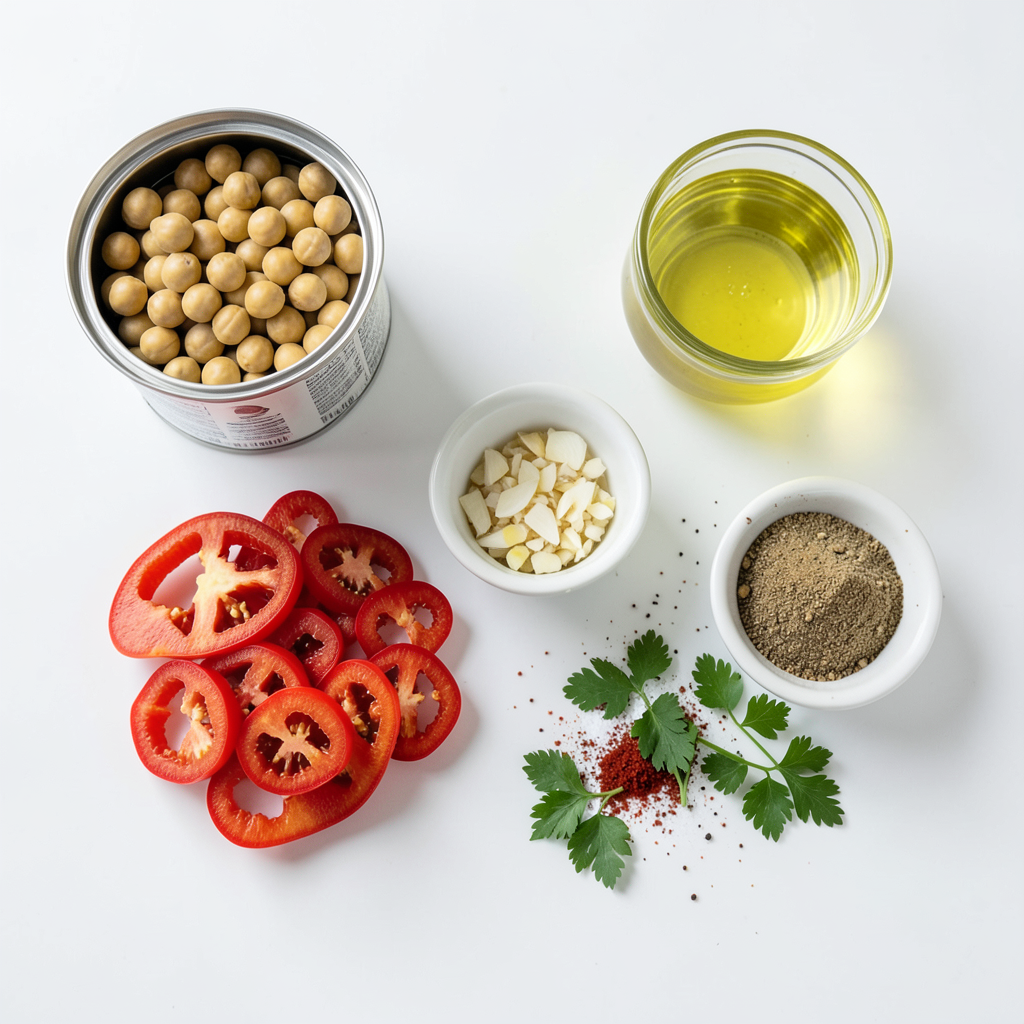
Start by gathering all your ingredients. You will need:
- 1 can (15 oz) chickpeas, drained and rinsed
- 2 large roasted red peppers
- 3 tablespoons tahini
- 2 tablespoons freshly squeezed lemon juice
- 2 cloves garlic, finely minced
- 3 tablespoons extra virgin olive oil
- 1 teaspoon ground cumin
- Sea salt and black pepper to taste
- Paprika for garnish
- Fresh parsley for garnish
Make sure your chickpeas are well-drained. If using jarred peppers, drain them too. This helps keep the hummus from being too watery.
Blending Process
In your food processor, add the chickpeas, roasted red peppers, tahini, lemon juice, and garlic. Blend this mixture until it is smooth. You might need to stop and scrape down the sides to mix well.
Next, with the processor running, slowly pour in the olive oil. This makes the hummus creamy. Blend until you have a nice, thick texture. If it seems too thick, add cold water one tablespoon at a time. Blend after each addition until you reach your desired creaminess.
Finally, add ground cumin, sea salt, and black pepper. Blend again to mix everything well. Taste your hummus and adjust the seasoning if needed.
Final Touches
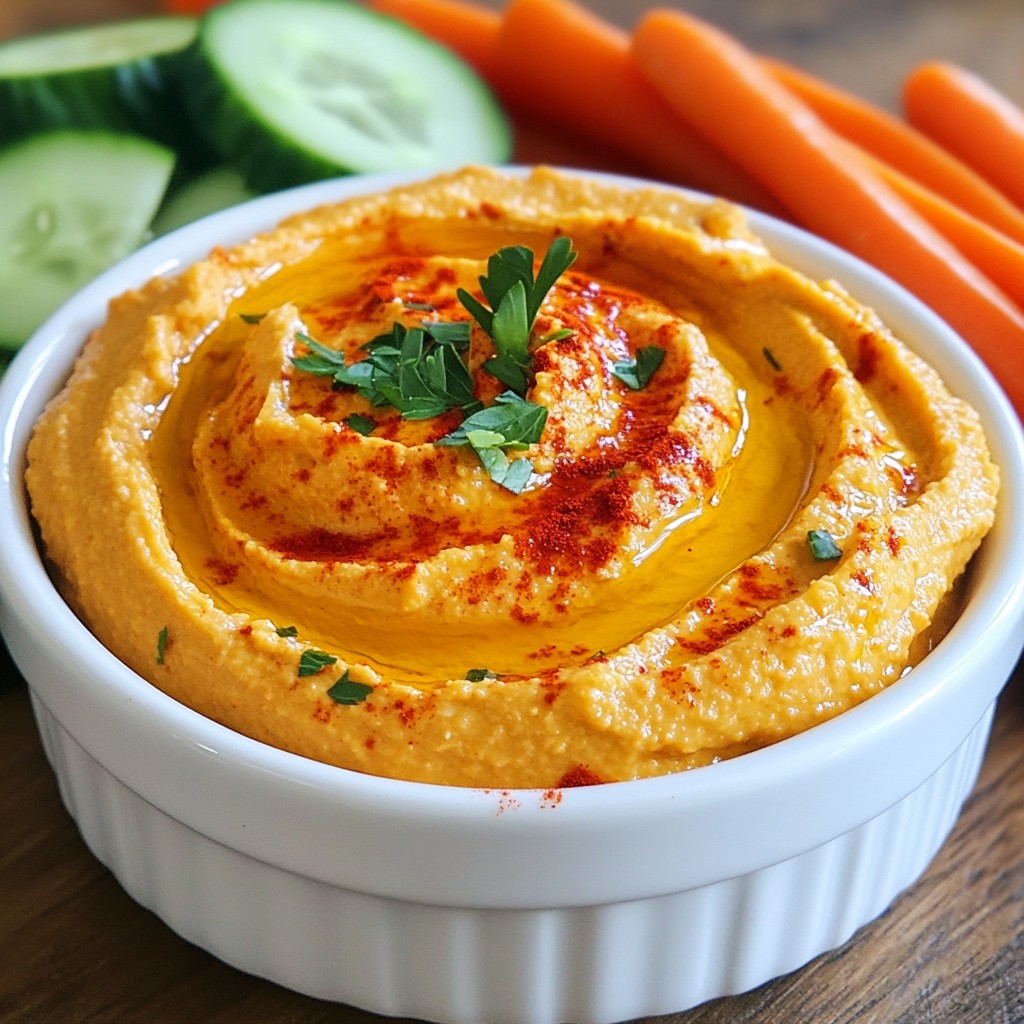
Once you have the perfect blend, transfer the hummus to a serving bowl. Use the back of a spoon to smooth out the top. For a nice finish, drizzle a bit more olive oil on top. Sprinkle paprika and chopped parsley for color and flavor.
Now, your roasted red pepper hummus is ready to serve! Enjoy it with fresh veggies or warm pita bread.
Tips & Tricks
How to Achieve the Perfect Texture
To get smooth hummus, blend the chickpeas well. Use a food processor for this. Add the roasted red peppers, tahini, lemon juice, and garlic. Process until it is creamy. If it feels too thick, add cold water. Do this one tablespoon at a time. Blend after each addition to get the right texture.
Enhancing Flavor with Seasoning
Seasoning brings out the best in your hummus. Start with ground cumin for a warm note. Adjust the sea salt and black pepper to taste. You can add more lemon juice if you want a tangy kick. Taste it as you go. A little bit of paprika on top adds a nice color and flavor too.
Serving Suggestions
Serve your hummus in a bowl with a drizzle of olive oil on top. For a pretty finish, sprinkle with paprika and chopped parsley. Pair it with fresh veggies like carrots, cucumbers, and bell peppers. Warm pita bread is also a great choice. For a fun twist, add strips of roasted red pepper on top. This makes your dish even more inviting!
Pro Tips
- Choose Quality Ingredients: Using high-quality tahini and freshly roasted red peppers can significantly enhance the flavor of your hummus. Consider making roasted peppers at home for a more robust taste.
- Texture Adjustment: If your hummus is too thick, gradually add cold water or more olive oil while blending until you reach your desired creamy consistency.
- Flavor Variations: Get creative by adding spices like smoked paprika, cayenne pepper, or even fresh herbs such as basil or cilantro for unique flavor profiles.
- Serve Fresh: Hummus tastes best when served fresh. However, it can be stored in an airtight container in the fridge for up to a week. Just give it a good stir before serving.
Variations
Different Flavor Additions
You can change the taste of roasted red pepper hummus easily. Try adding spices like smoked paprika or cayenne pepper for heat. You can mix in herbs, such as fresh basil or cilantro, for a fresh twist. For a sweeter flavor, add some roasted garlic or sun-dried tomatoes. Each addition creates a unique blend that excites the taste buds.
Healthy Alternatives
If you're looking for healthy swaps, consider using Greek yogurt instead of tahini. This adds creaminess and boosts protein. You can also cut down on oil by using water or vegetable broth for blending. Another option is to add more veggies like spinach or beets for extra nutrients and color without losing taste.
Hummus for Different Diets
Roasted red pepper hummus fits many diets. It’s naturally vegan and gluten-free, which makes it great for everyone. For those on a low-carb diet, serve it with veggies instead of bread. If you follow a Whole30 plan, skip the tahini and use sunflower seed butter instead. This ensures that everyone can enjoy this tasty treat!
Storage Info
Best Storage Practices
To keep your roasted red pepper hummus fresh, store it in an airtight container. This helps maintain its flavor and texture. Place a layer of plastic wrap directly on the surface of the hummus before sealing the container. This extra step helps prevent air from reaching the hummus.
How Long Does it Last?
When stored properly, hummus lasts about 4 to 7 days in the fridge. Always check for any signs of spoilage, like a change in smell or color. If you see any mold, it’s best to throw it away.
Freezing Hummus
You can freeze hummus for up to three months. To do this, place it in a freezer-safe container. Leave some room at the top, as the hummus will expand when frozen. When you’re ready to enjoy it, thaw it in the fridge overnight. Stir well before serving to bring back its creamy texture.
FAQs
Can I use dried chickpeas instead of canned?
Yes, you can use dried chickpeas. Just soak them overnight. After soaking, boil them until they are soft. This can take about 1-2 hours. Make sure to drain and cool them before using. Using dried chickpeas can give your hummus a different flavor and texture.
What can I serve with roasted red pepper hummus?
You can serve hummus with many tasty items. Fresh veggies work great, like carrots, cucumbers, and bell peppers. Warm pita bread is also a favorite. Crackers or chips add a nice crunch. For a fun twist, try it with grilled meats or on a sandwich.
How can I make hummus creamier?
To make hummus creamier, add more olive oil while blending. You can also add cold water, one tablespoon at a time. Blend well after each addition. Another tip is to use more tahini, which adds richness. For a smooth texture, blend longer and scrape the bowl often.
We explored hummus by discussing its key ingredients, nutritional benefits, and substitutions. I shared step-by-step instructions for making it, focusing on blending and finishing touches. You learned tips for achieving the perfect texture and enhancing flavors. I also provided variations for different diets and storage tips for freshness. Hummus is versatile and easy to make at home. With your new skills, you can enjoy delicious hummus anytime.