
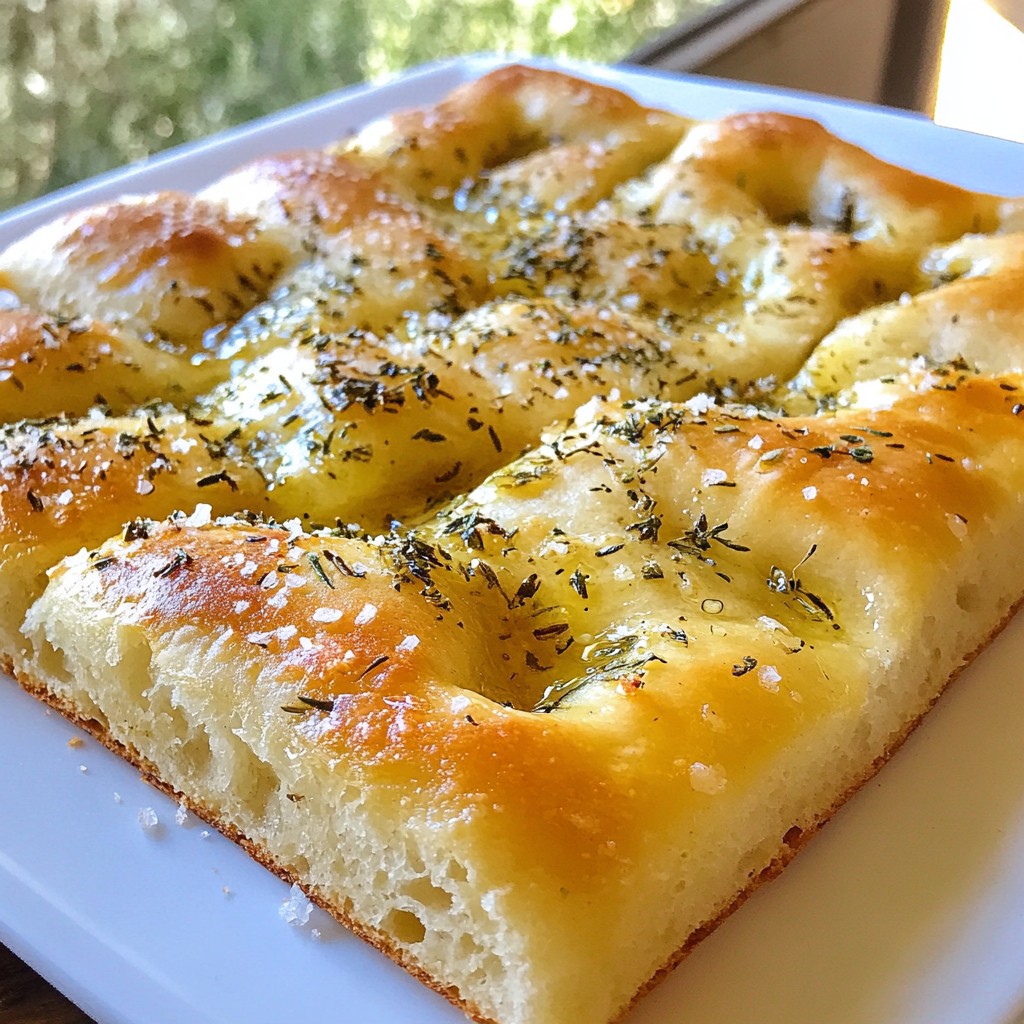
If you crave warm, fluffy bread that bursts with flavor, you're in the right place! This Garlic Herb Focaccia recipe brings simple ingredients together for a delicious treat. With just a few easy steps, you can impress your friends and family with your baking skills. Ready to enjoy aromatic garlic and fresh herbs? Let's dive in and create something truly special together!
Why I Love This Recipe
- Easy to Make: This focaccia recipe uses simple ingredients and straightforward steps, making it perfect for bakers of all skill levels.
- Flavorful and Aromatic: The combination of garlic and fresh rosemary creates a delightful aroma that fills your kitchen while baking.
- Versatile: Focaccia can be served as an appetizer, side dish, or even as a base for sandwiches, making it a great addition to any meal.
- Perfect Texture: With its crispy exterior and soft, airy interior, this focaccia is a textural delight that pairs beautifully with dipping oils.
Ingredients
List of Main Ingredients
- 4 cups all-purpose flour
- 2 cups warm water
- 2 tablespoons active dry yeast
- 2 teaspoons sugar
- 1 tablespoon salt
Flavorings and Toppings
- 1/4 cup olive oil
- 6 cloves garlic
- 2 tablespoons fresh rosemary
- 1 tablespoon sea salt
- Freshly cracked black pepper
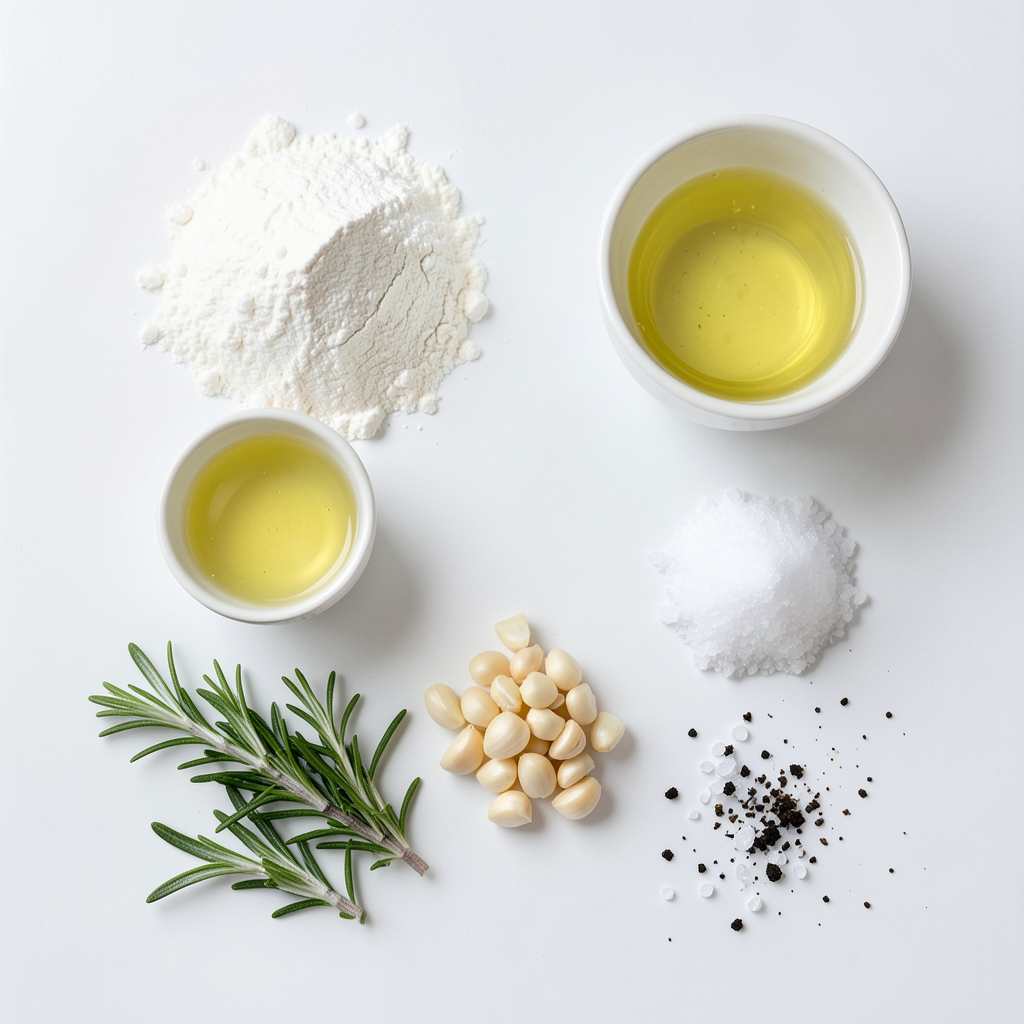
The ingredients for Garlic Herb Focaccia are simple, but each one plays a key role. The flour gives the bread its structure. Warm water activates the yeast. Sugar feeds the yeast, making it bubbly. Salt adds flavor and controls the yeast's growth.
For flavor, I love using olive oil. It makes the bread rich and moist. Fresh garlic gives a strong kick, while rosemary brings a nice herbal note. Sea salt on top adds crunch and extra taste. You can also add cracked black pepper for a hint of spice.
Choosing high-quality ingredients matters. Fresh garlic and herbs make a big difference. Always use good olive oil. It will enhance the overall flavor of your focaccia.
Step-by-Step Instructions
Activating the Yeast
- Combine 2 cups of warm water, 2 teaspoons of sugar, and 2 tablespoons of active dry yeast in a bowl.
- Wait 5 to 10 minutes until the mixture is frothy. This means your yeast is ready.
Activating the yeast is the first key step. It wakes the yeast up from its dormant state. Without this step, your focaccia won’t rise properly. You want that frothy look to show that your yeast is alive and kicking!
Mixing and Kneading the Dough
- Add 4 cups of all-purpose flour, 1 tablespoon of salt, and 1/4 cup of olive oil to the frothy yeast mix.
- Stir until a soft dough forms, then turn it out onto a floured surface.
- Knead the dough for about 8 to 10 minutes. You want it smooth and elastic.
Kneading is important. It develops the gluten, which gives the bread its texture. You should feel the dough spring back when you poke it.
First Rise
- Lightly oil a clean bowl and place the dough inside.
- Cover with a damp cloth or plastic wrap. Let it rise in a warm spot for about 1 hour.
During this time, the dough doubles in size. This rise helps create that fluffy focaccia we all love. Make sure your bowl is big enough!
Preparing the Focaccia
- After the rise, gently punch down the dough to remove air.
- Transfer it to a greased baking sheet and spread it out to about 1/2 inch thick.
- Use your fingertips to create deep dimples all over the surface.
Dimples are key! They hold the garlic-herb mixture and give great texture.
Baking
- Preheat your oven to 425°F (220°C).
- Allow the dough to rest for another 20 minutes while the oven heats.
- Bake for 20 to 25 minutes until golden brown and crispy.
Keep an eye on it! You want that lovely golden color. After baking, drizzle a bit more olive oil on top for added flavor.
Now your focaccia is ready to enjoy!
Tips & Tricks
Perfecting the Dough
To get the best dough, knead it well. Kneading helps develop gluten, which gives the bread its structure. Use your palms to push the dough away, then fold it back. Repeat this for about 8 to 10 minutes. The dough should feel smooth and elastic.
For rising, place the dough in a warm spot. I like to put it near a warm oven. Cover it with a damp cloth or plastic wrap. Let it rise until it doubles in size. This usually takes about 1 hour. A good rise creates a light and fluffy focaccia.
Enhancing Flavors
To boost the taste, feel free to add more herbs. Basil, thyme, or oregano can work well. You can mix them into the dough or sprinkle them on top. For an extra garlic kick, try roasting your garlic first. Roasted garlic has a sweeter, milder taste than raw garlic.
You can also infuse your olive oil. Just heat it gently with garlic and herbs. Let it cool, then drizzle it on your focaccia before baking. This adds a rich flavor throughout the bread.
Serving Suggestions
For a stunning presentation, serve your focaccia on a wooden board. Garnish it with fresh rosemary sprigs. You can also add a small bowl of olive oil mixed with herbs for dipping.
Focaccia pairs well with soups, salads, or as a sandwich base. It also shines with cheese and charcuterie for a fun appetizer. Enjoy your tasty creation with friends or family!
Pro Tips
- Perfect Dough Consistency: Ensure your dough is soft and slightly sticky. If too dry, add a bit more water; if too wet, sprinkle in a little more flour as you knead.
- Flavor Infusion: For an intensified flavor, let the garlic and rosemary mixture sit for about 10 minutes before spreading it on the dough. This allows the flavors to meld beautifully.
- Check for Doneness: The focaccia should be golden brown on top and sound hollow when tapped. If unsure, use a thermometer; it should read about 200°F (93°C) internally.
- Storage Tips: To keep your focaccia fresh, wrap it in foil or plastic wrap and store it at room temperature for up to 2 days, or freeze it for longer storage.
Variations
Herb Variations
You can easily switch up the herbs in this focaccia recipe. Instead of rosemary, try using:
- Thyme
- Oregano
- Basil
- Sage
These herbs add unique flavors to your bread. If you want an extra kick, add some chopped olives or sun-dried tomatoes. They bring a savory touch that pairs well with the garlic.
Topping Ideas
Cheese can take your focaccia to another level. Consider these options:
- Feta for a tangy flavor
- Mozzarella for creaminess
- Parmesan for a nutty taste
You can also swap out seasonings. Try using garlic powder if you want a different garlic flavor. This simple change can give your focaccia a new twist.
Storage Info
Short-term Storage
To keep your focaccia fresh at room temperature, wrap it in a clean kitchen towel. Place it in a bread box or an airtight container. This method helps keep the bread soft while preventing it from drying out. Eat it within two days for the best taste and texture.
Long-term Storage
If you want to save your focaccia for later, freezing is a great option. Here are some tips for freezing:
- Cool completely: Let the focaccia cool down to room temperature before freezing.
- Slice before freezing: Cut the bread into squares or wedges. This makes it easier to thaw only what you need.
- Wrap it well: Use plastic wrap to tightly cover each slice. Then, place it in a freezer-safe bag or container.
For reheating, remove the focaccia from the freezer and let it thaw in the fridge overnight. To warm it up, preheat your oven to 350°F (175°C). Bake for about 10-15 minutes until warm. This keeps the crust crisp and the inside fluffy. Enjoy your focaccia just like it was fresh!
FAQs
How can I make gluten-free Garlic Herb Focaccia?
To make gluten-free focaccia, use gluten-free flour blends. Look for blends that have xanthan gum. You can also add 1 tablespoon of apple cider vinegar to help with texture and flavor. Mix the other ingredients as you would for regular focaccia. The dough may be a bit stickier, so use extra olive oil on your hands and the baking sheet. Let it rise until it puffs up, but it may not double in size like wheat flour. Bake at the same temperature, checking for a golden-brown top.
Why is my focaccia not rising?
If your focaccia does not rise, check the yeast. Ensure it is fresh and active. The water needs to be warm, not hot. Hot water can kill the yeast. If your kitchen is cold, the dough may not rise well. You can place the dough in a warm spot, like near a preheated oven. Covering the bowl with a damp cloth helps retain warmth. If it still does not rise, give it more time. Patience is key with dough.
Can I make focaccia without yeast?
Yes, you can make focaccia without yeast. Try making a quick bread instead. Use baking powder and baking soda as leavening agents. For every cup of flour, use 1 teaspoon of baking powder. Mix the dry ingredients and then add wet ones. You can pour it into a baking pan and bake it until golden. It won't have the same chewy texture but will still taste great. Flatbreads are another option, using just flour and water.
How do I know when my focaccia is done baking?
Your focaccia is done when it is golden brown. The edges should be crispy, and the top should feel firm. You can tap the bottom; it should sound hollow. If unsure, use a toothpick to check. Insert it into the center, and it should come out clean. The aroma will fill your kitchen, too. Let it cool slightly before slicing. This keeps the inside soft and fluffy.
You now have a thorough guide to making delicious garlic herb focaccia. From the essential ingredients to step-by-step baking instructions, I shared how to activate yeast, knead dough, and achieve the perfect bake. Don’t forget the tips to enhance flavors and enjoy various toppings. Lastly, I gave you storage and variation options to keep your focaccia fresh. Now, it’s your turn to try this simple recipe. Enjoy the process and the tasty results!